


AmCham Business Breakfast
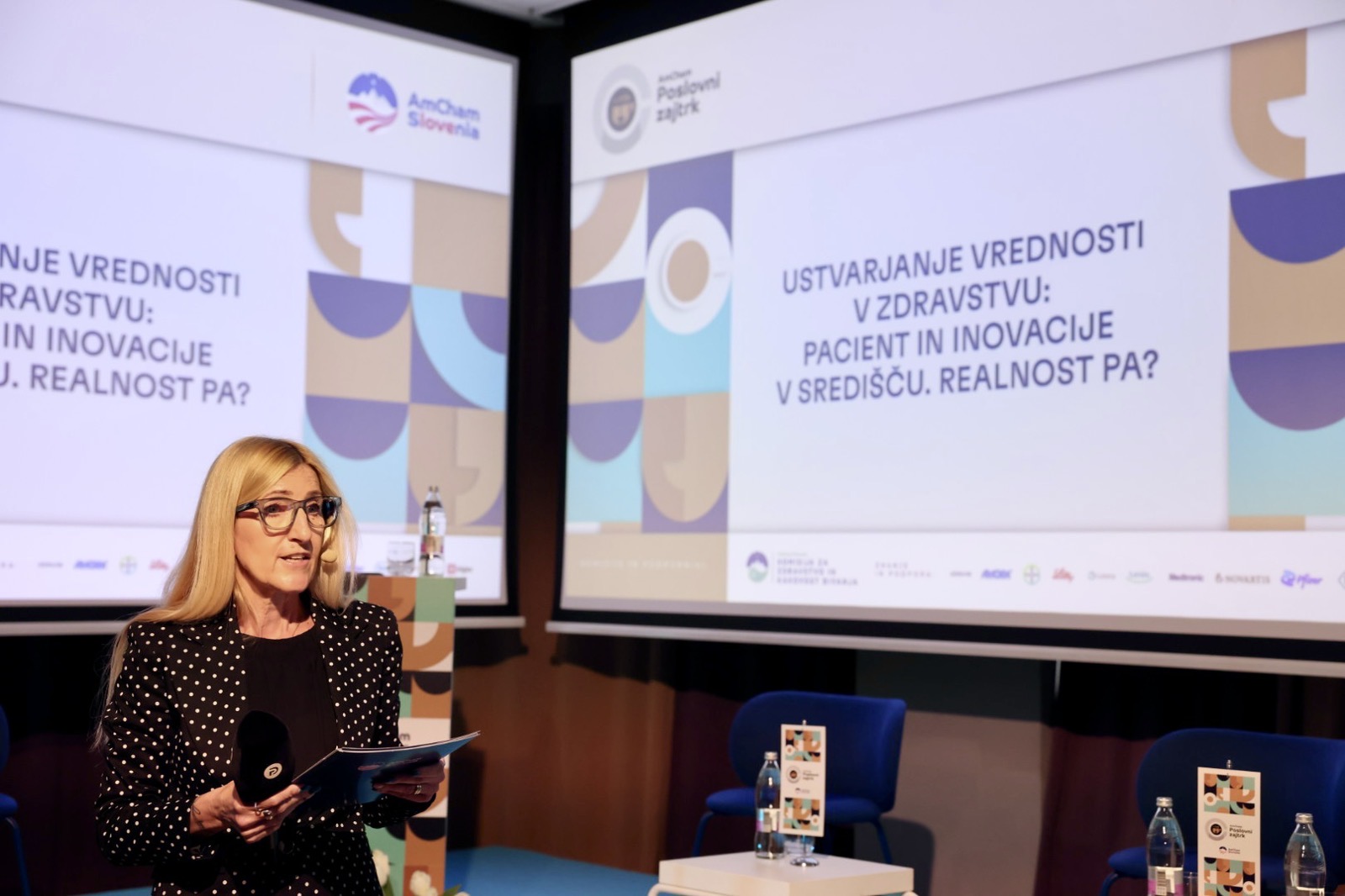
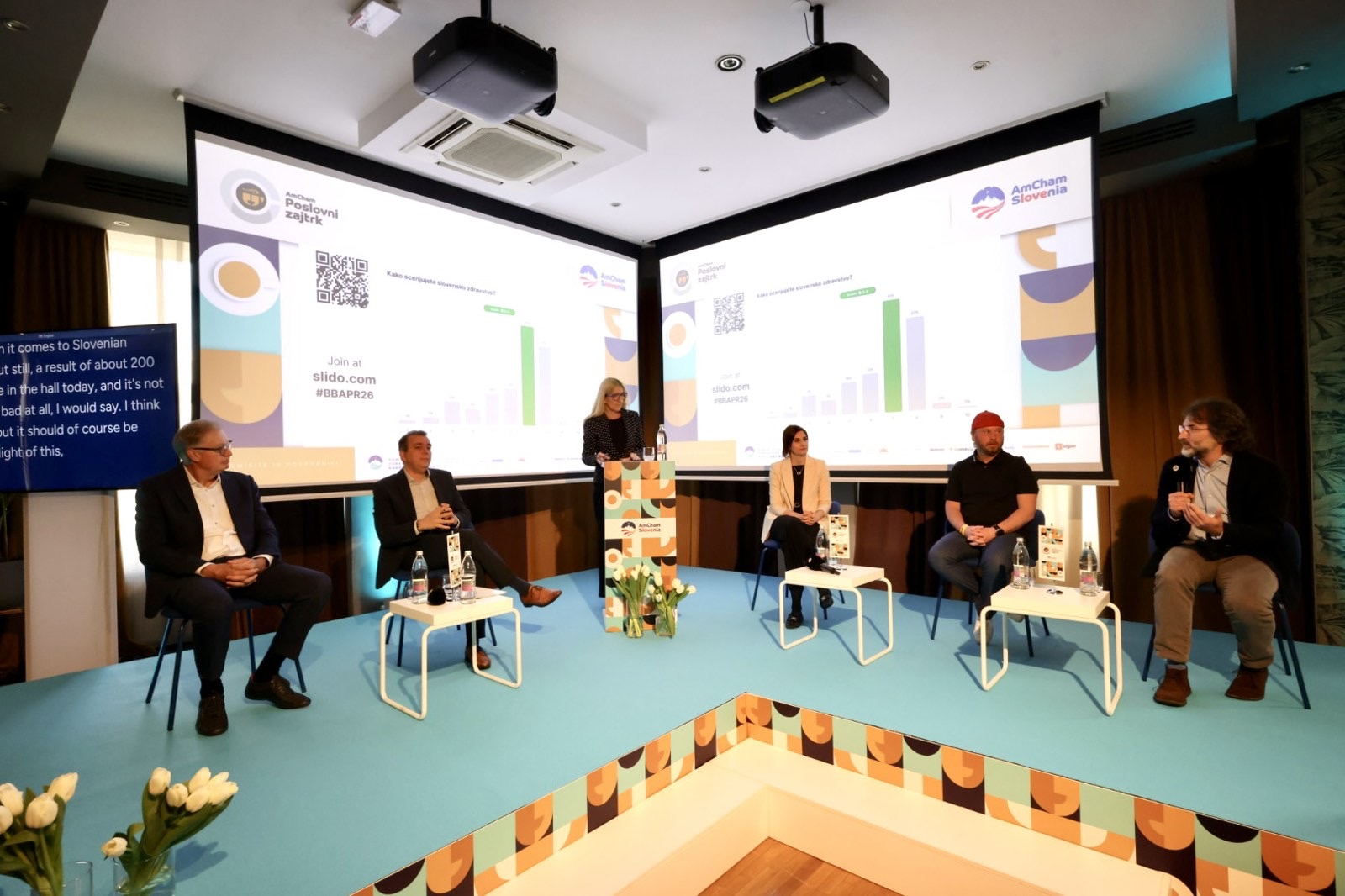
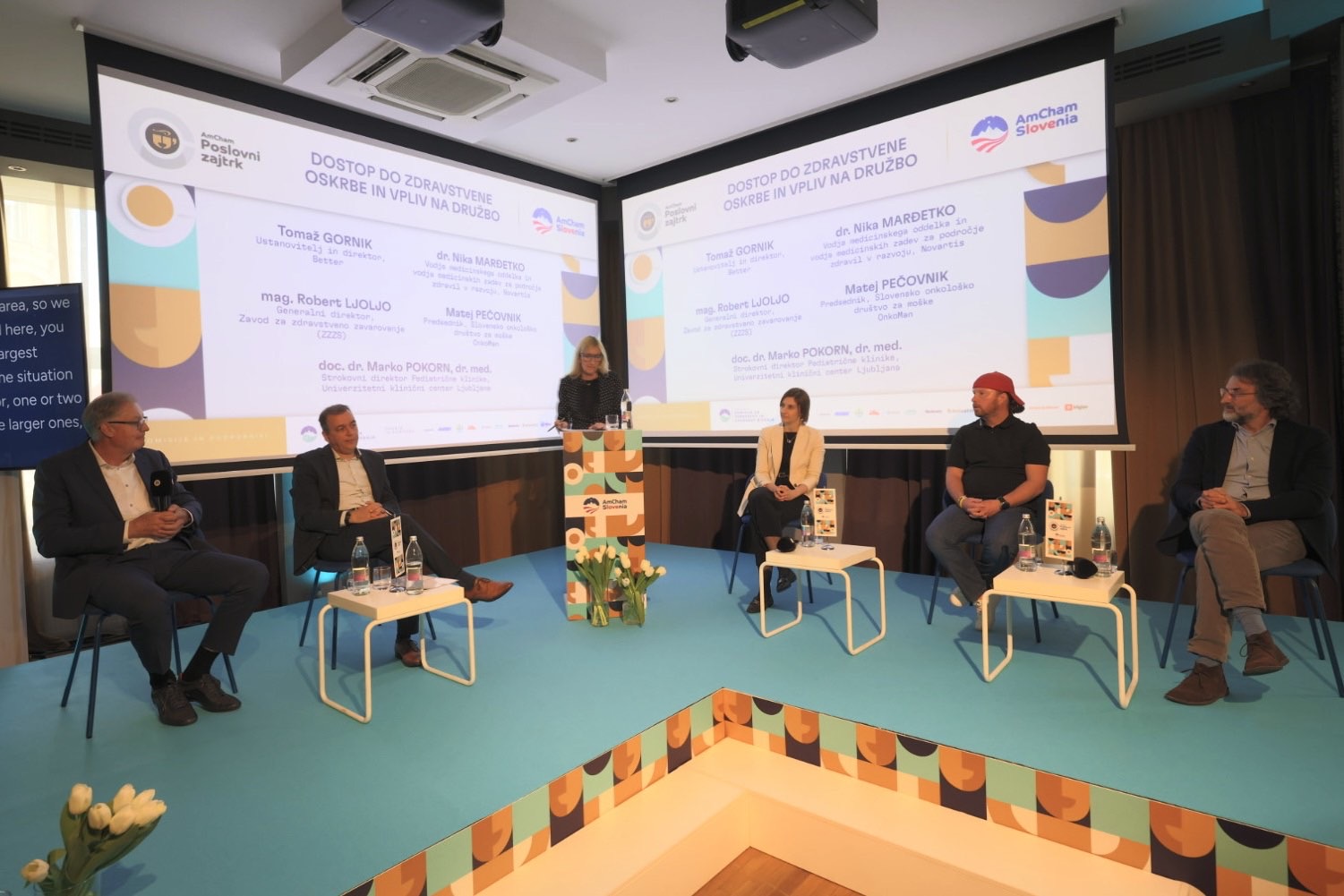
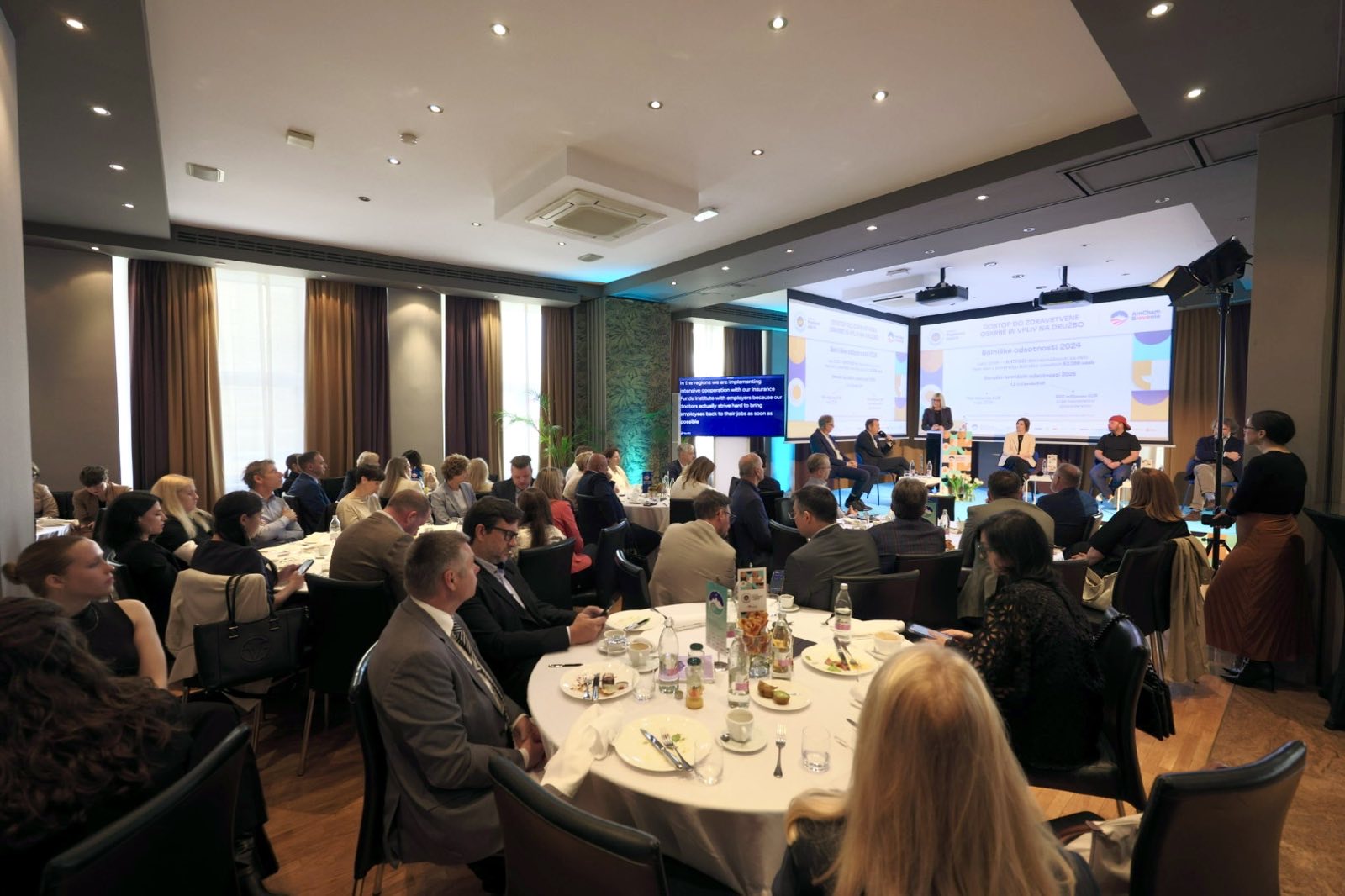
At the AmCham Business Breakfast, held under the auspices of the AmCham Health and Wellbeing Committee and titled Creating Value in Healthcare: Putting Patients and Innovation at the Center. But what about reality? speakers emphasized that patient health should not be treated as a cost, but as one of the key investments in societal well-being, productivity, and Slovenia’s future.
The discussion, supported by data, confirmed that the current healthcare system is not sustainable in the long term. Slovenia is facing an aging population, a rise in chronic diseases, workforce challenges, waiting lists, increasing costs, and limited access to modern therapies. The data presented was particularly striking:
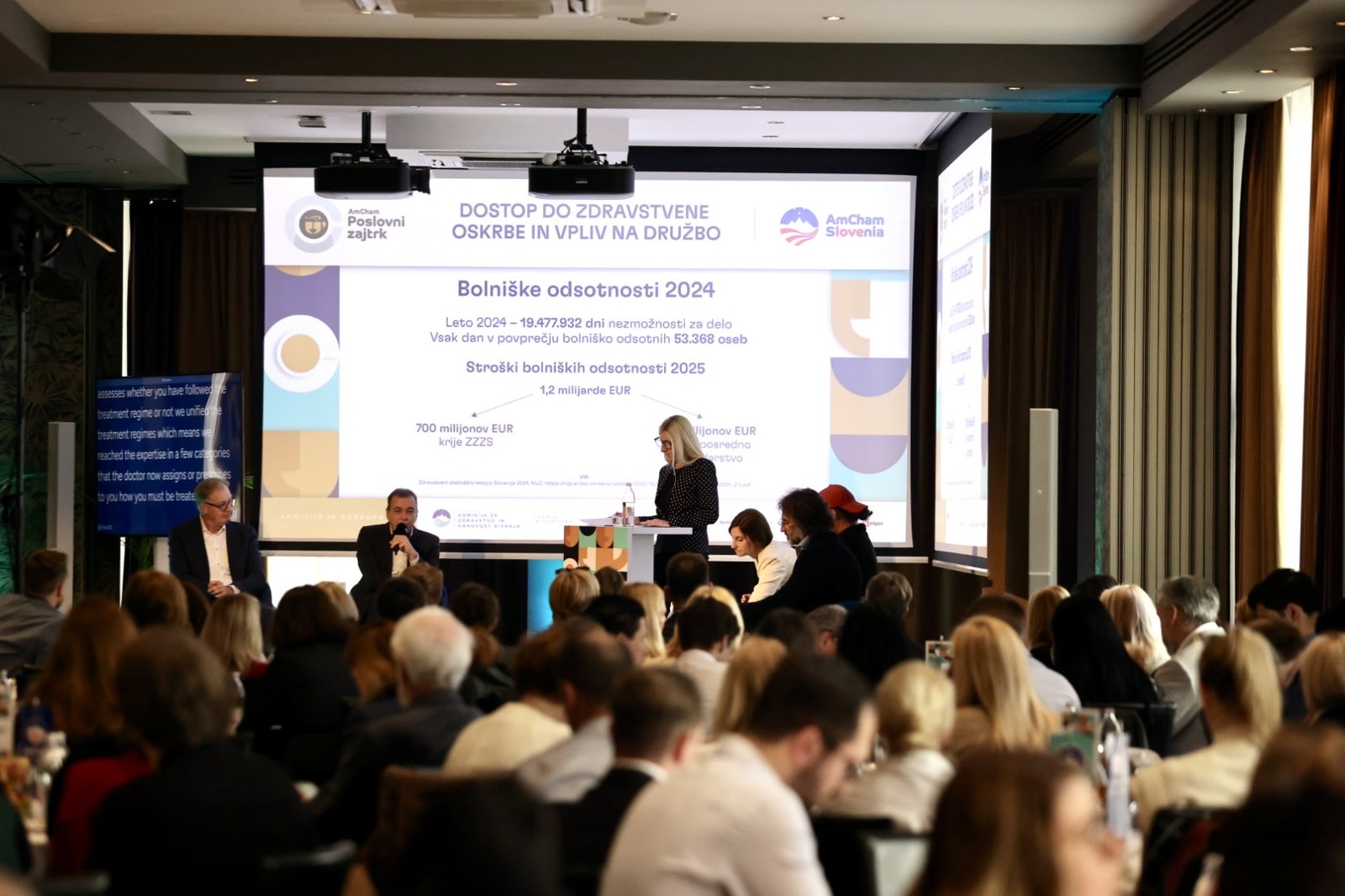
- In 2024, nearly 20 million days of work incapacity were recorded, with each employee absent on average 20.51 calendar days; the cost of sick leave in 2025 is estimated at €1.2 billion.
- Waiting times remain alarming: 163 days for a very urgent first pediatric rheumatology exam, 628 days for a fast-track adult rheumatology exam, and up to two and a half years for regular examinations. Such delays mean lost days of health, longer recovery times, and more chronic conditions.
- High levels of polypharmacy, with more than 73,000 people taking over ten medications, highlight the need for more rational prescribing and reduced unnecessary drug use.
- The healthcare system still often runs on ethical drive — overtime work, additional burdens, and research carried out by professionals in their free time.
- Slovenia also remains understaffed in healthcare informatics: while University Hospital Basel employs around 200 IT specialists, Slovenia has around 150 nationwide, or even fewer at individual providers.
Access to healthcare is not just an individual issue — it is a key driver of overall societal development.
Urša Lakner, Co-Chair of the AmCham Health and Wellbeing Committee, stressed: “Access to healthcare is not merely an individual issue, but a key driver of overall societal development… A healthy society is a productive society. Less absenteeism means stronger economic growth, higher quality of life, and a more sustainable healthcare system. That is a goal that should unite us all.”
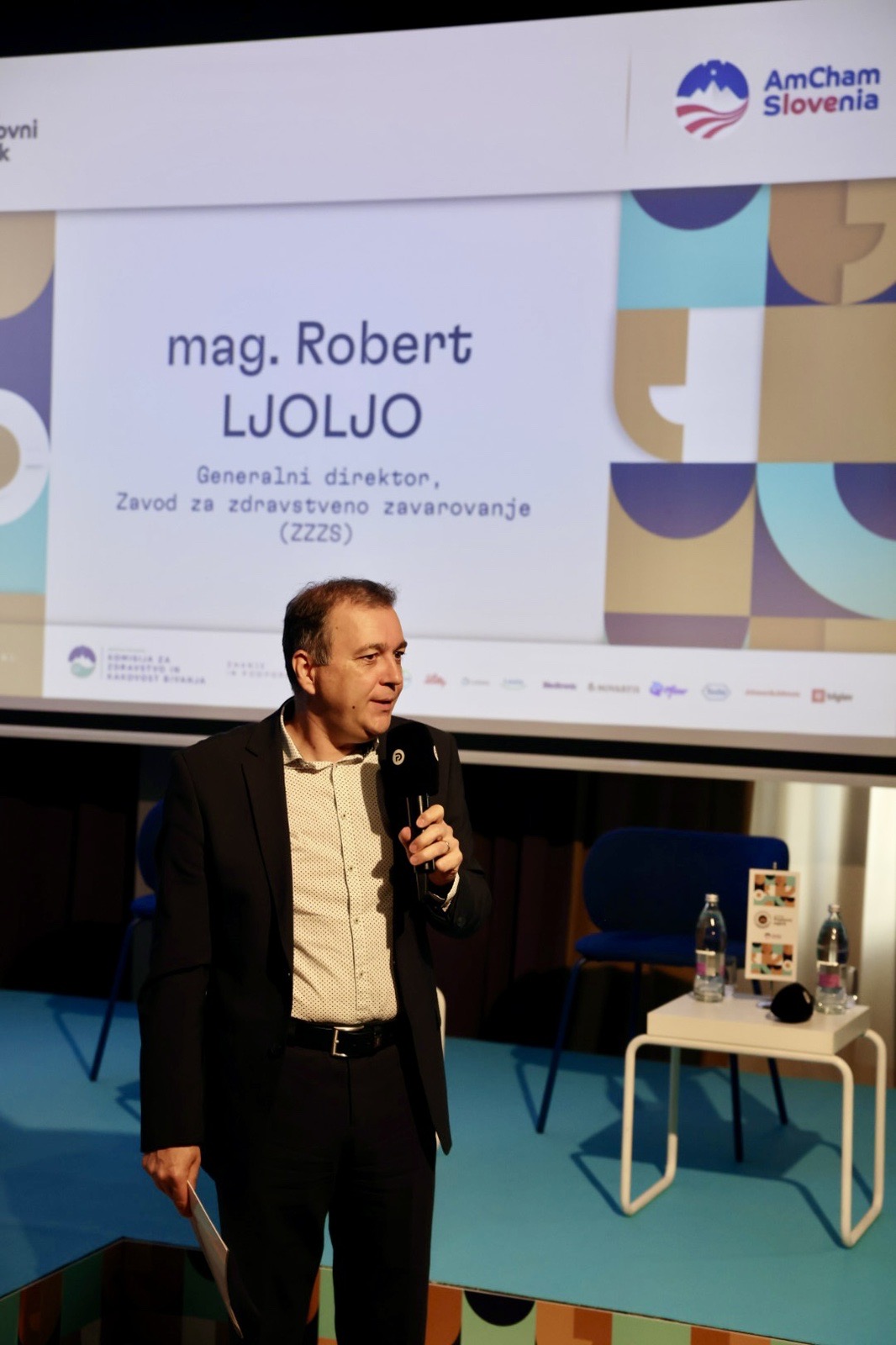
According to the National Institute of Public Health (NIJZ), nearly 20 million days of work incapacity were recorded in Slovenia in 2024. On average, 53,368 people were on sick leave daily, with a total of 1,643,869 absence cases recorded. Each employee was absent on average 20.51 calendar days. The cost of sick leave in 2025 is estimated at €1.2 billion, of which €700 million is covered by the Health Insurance Institute of Slovenia (ZZZS) and €500 million directly by the economy. Robert Ljoljo, MSc, Director General, Health Insurance Institute of Slovenia, ZZZS, emphasized that progress will only be possible through a combination of concrete measures: clearer rules, stronger oversight, closer cooperation with employers, and faster return-to-work pathways. He highlighted that this is not merely an administrative issue, but a broader systemic challenge requiring legislative changes and more flexible transitions between sick leave and work. He also addressed waiting lists, noting that one of his first tasks upon taking office was to verify what the data actually reflects and whether it corresponds to patients’ real experiences. He was particularly surprised by the number of anomalies caused by outdated IT systems on which calculations are still based. As a result, ZZZS first became actively involved in managing waiting lists and then began comparing reported waiting times with actual patient experiences. According to him, the core issue is not only capacity, but also the lack of clear standards and guidelines, poor data quality, and inefficient management of access and existing resources.
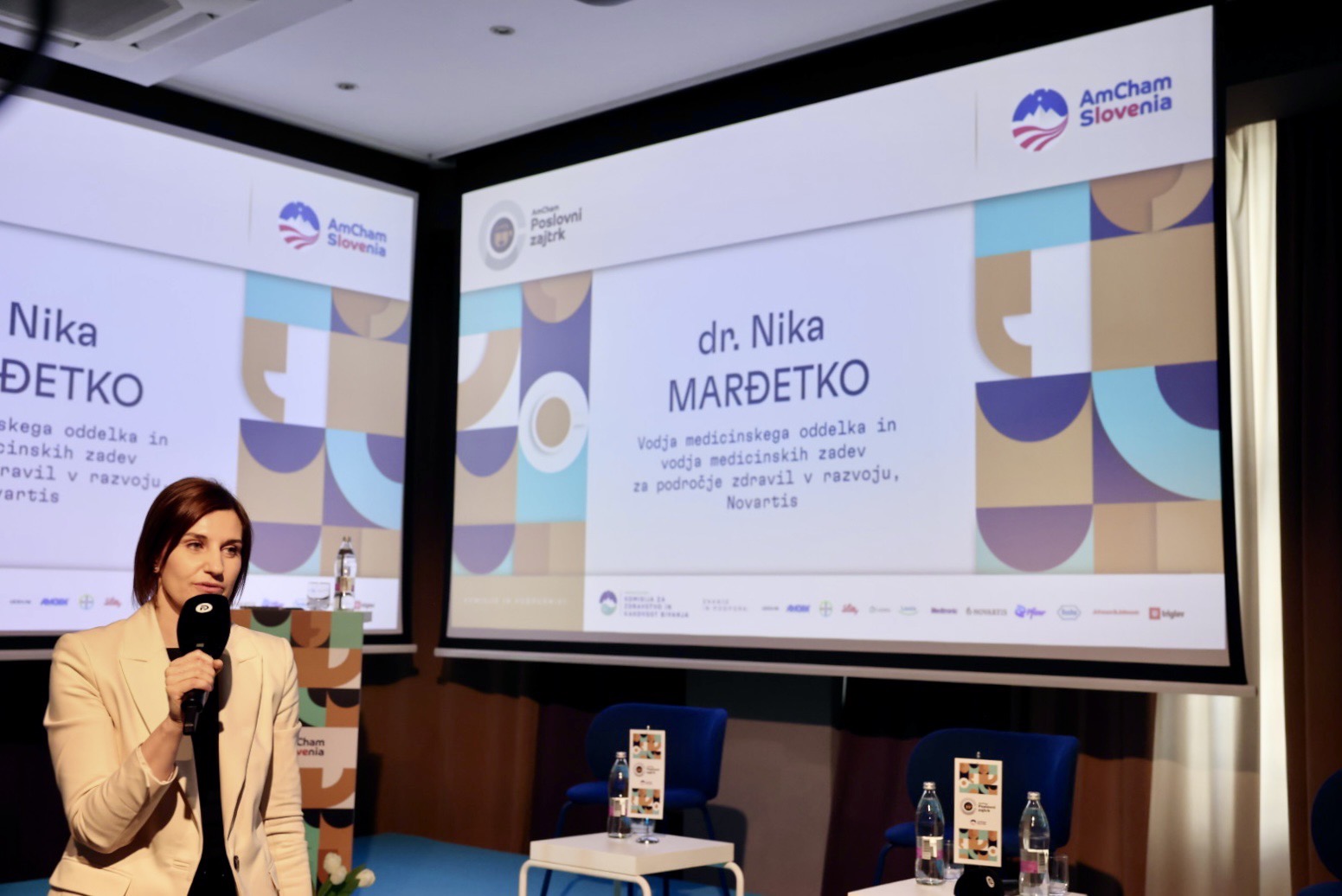
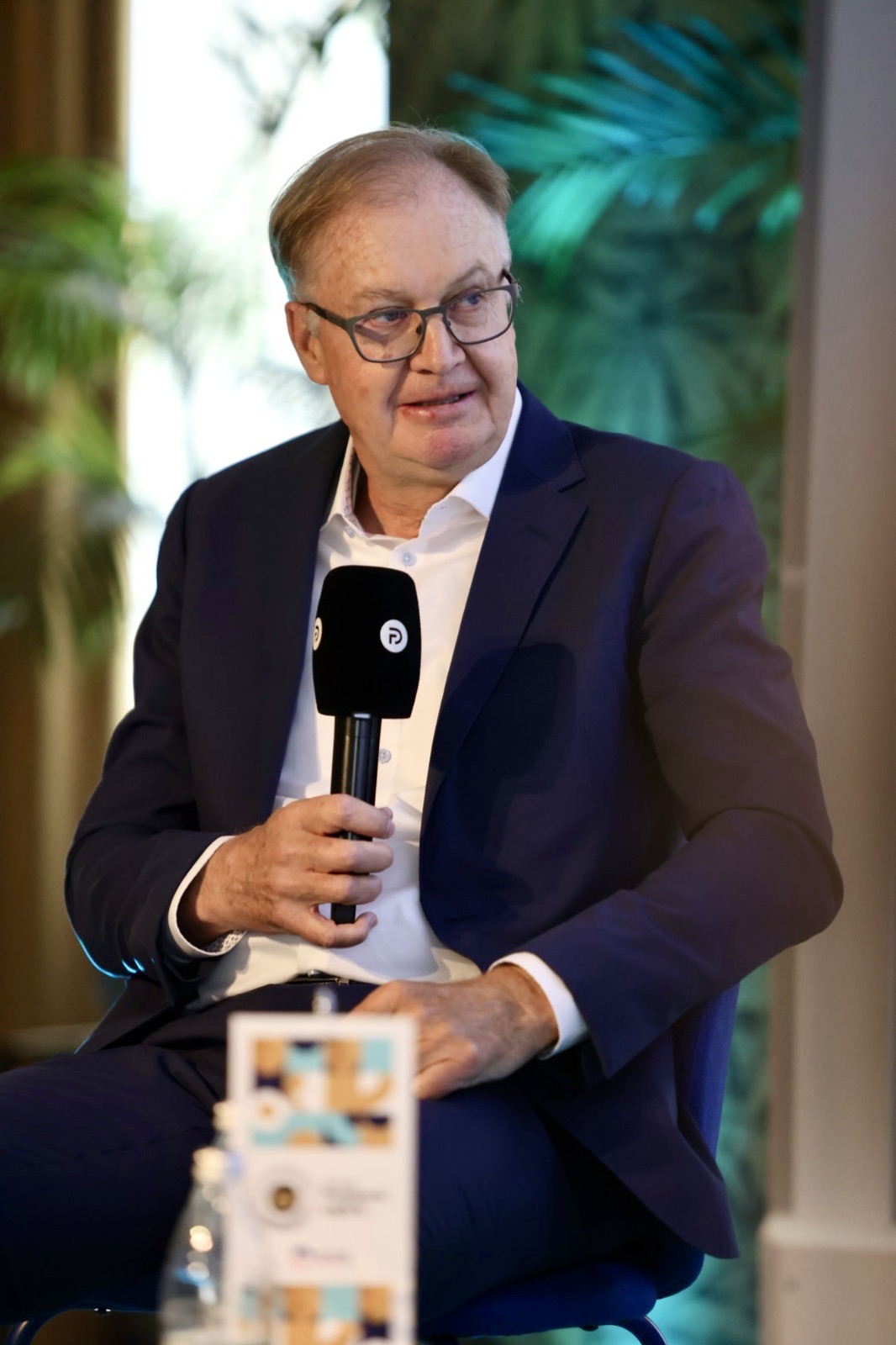
An important link between individual health, quality of life, and faster return to work is also access to innovative medicines. According to the EFPIA Patients W.A.I.T. Indicator 2024 (data published in May 2025 for a four-year period), Germany leads with 90% availability of new therapies. Slovenia, together with Sweden, ranks slightly above the European average (45%) with 50%. Dr. Nika Marđetko, PhD, Head of Medical Department and Head of Medical Affairs for Medicines in Development, Novartis, emphasized that modern healthcare goes beyond disease management. Quality of life, productivity, and long-term outcomes are becoming key: “Therapeutic innovations have value, but we must ensure their accessibility and rational use.”
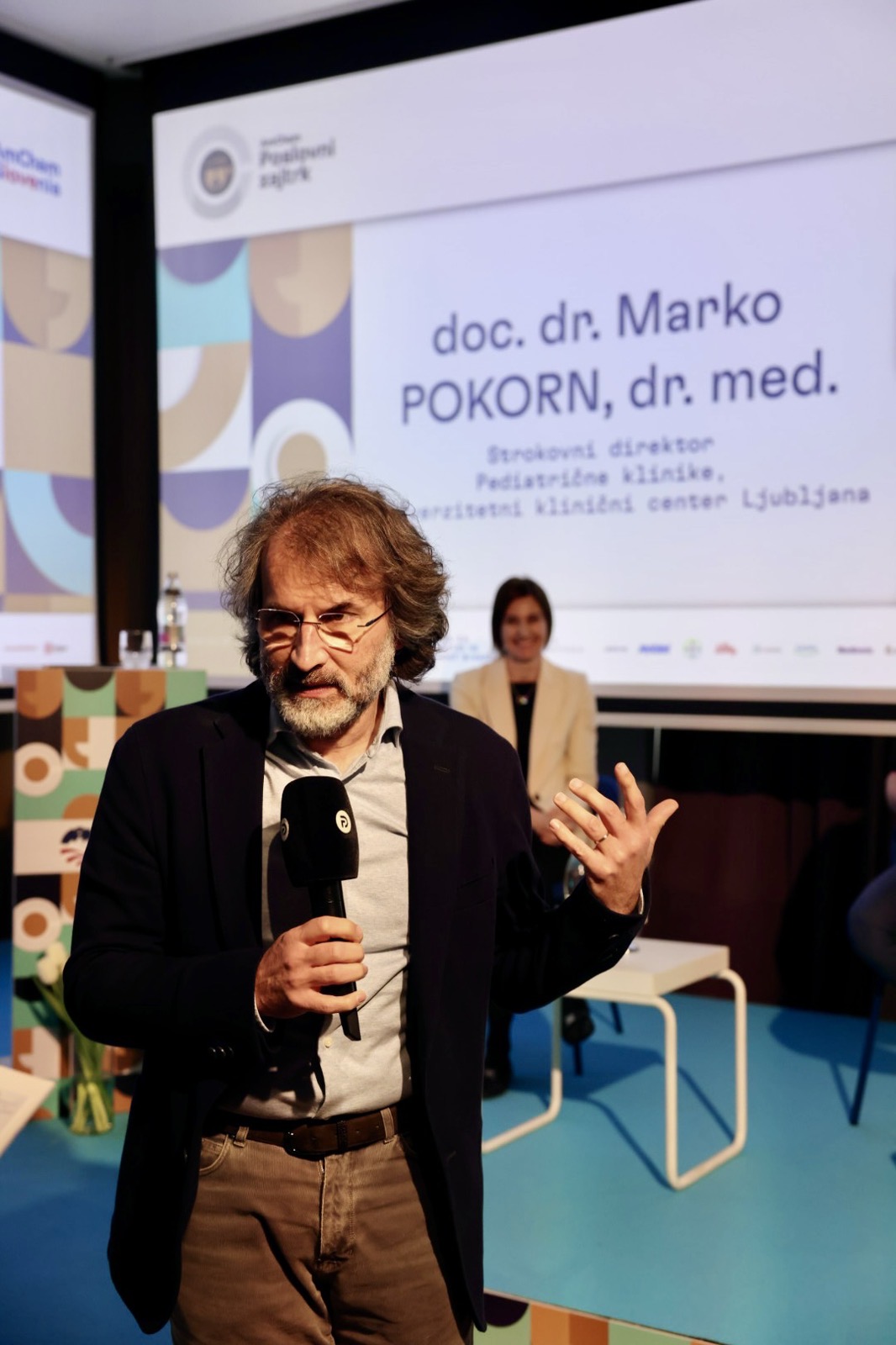
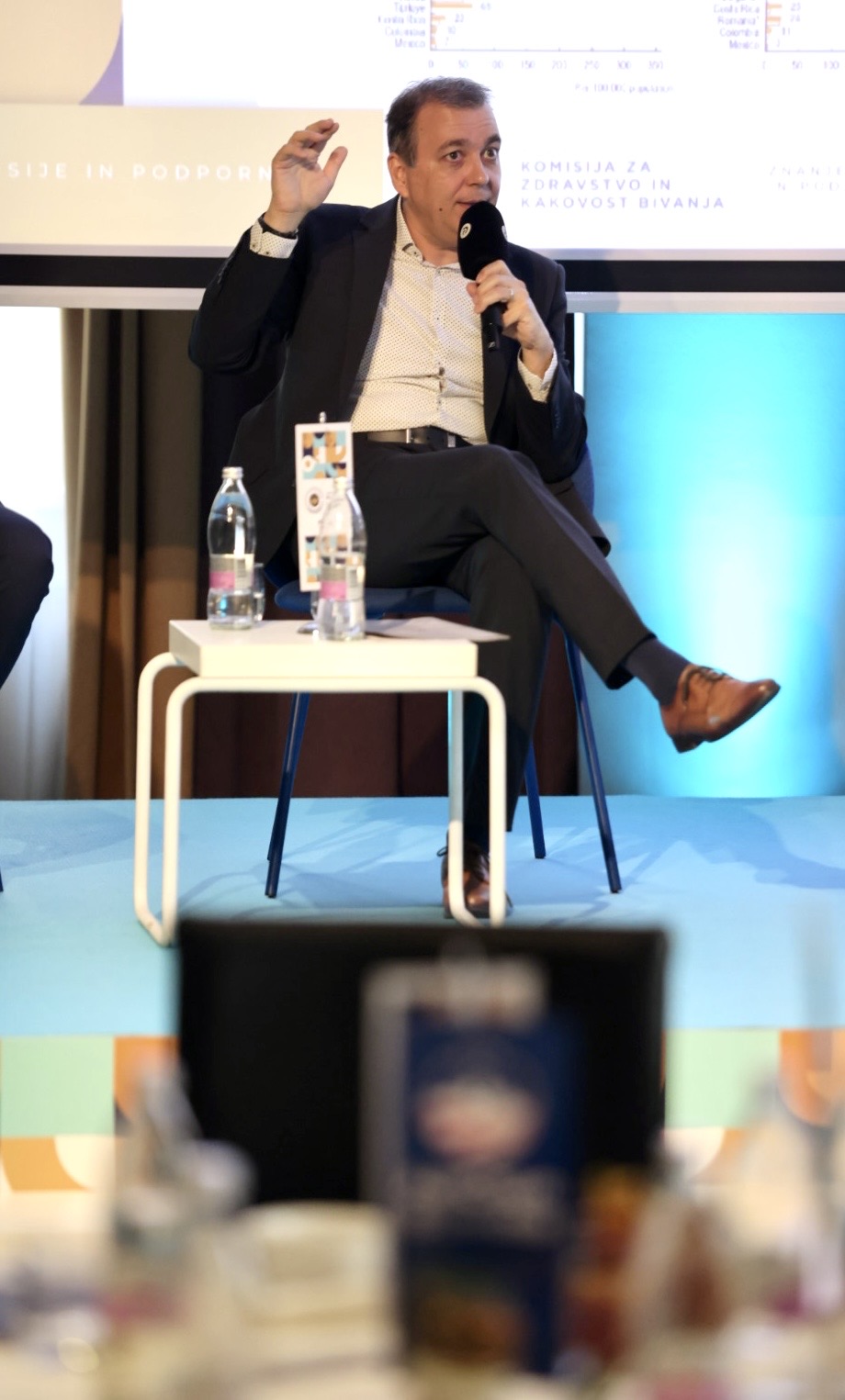
Assoc. Prof. Marko Pokorn, MD, Clinical Director, Division of Pediatrics, University Medical Centre Ljubljana, pointed out that access to advanced therapies already exists in certain segments, particularly in oncology: “For children with cancer, the most advanced therapies are available, including within research projects.” At the same time, he emphasized that this is a rapidly evolving field where continued data collection, research, and integration into international professional networks remain essential.
The goal is clear: to create maximum value with a focus on outcomes.
If system performance were measured not by the number of services delivered, but by how successfully patients recover, this would represent a shift toward value-based healthcare. This approach, supported and promoted by the AmCham Health and Wellbeing Committee, requires linking clinical data with outcomes that matter to patients and moving from quantity to real value for individuals and society. “The goal is simple: to create maximum value by focusing on outcomes that truly matter to patients and their families—from the initial diagnosis all the way through rehabilitation. Let’s focus on outcomes and choose value, so that medical progress translates into more meaningful, quality moments for all,” emphasized Lauren Boak, PhD, Co-Chair of the AmCham Health and Wellbeing Committee.
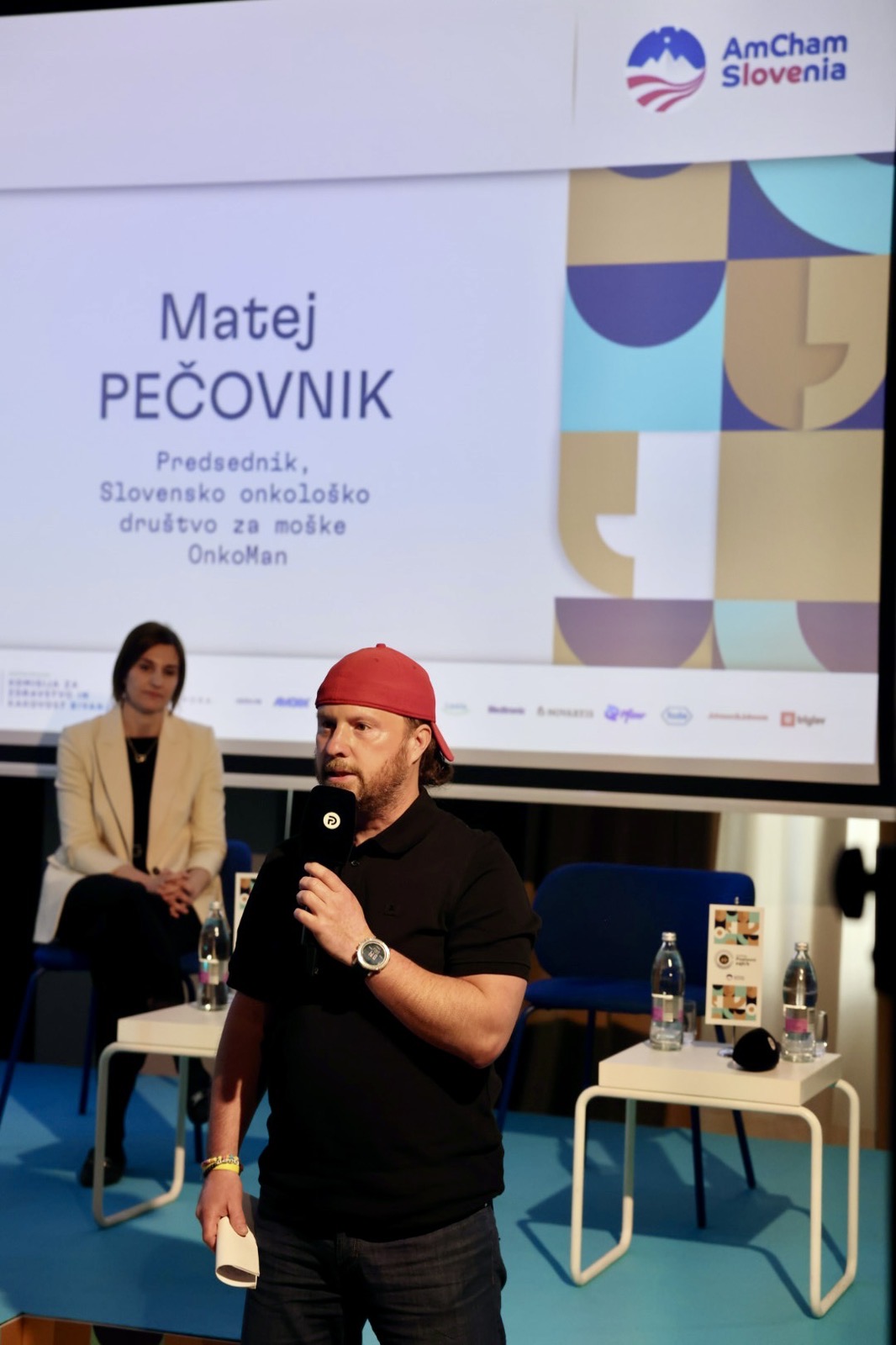
Matej Pečovnik, President, Slovenian Oncology Society for Men, OnkoMan, captured the essence of patient expectations and system responsibility: “Our mission is to ensure that Slovenian patients don’t need Olympic-level patience. And when problems arise, it is crucial to receive a timely diagnosis — because once you have a diagnosis and treatment begins, you are already on a very, very good path.”
It is time to stop treating health as a budget line and start recognizing it as one of our greatest values.
“For decades, we’ve treated healthcare as a growing expense—a cost to be managed and a budget to be trimmed. But what if we’ve been looking at it all wrong?… The choice is simple: investing in the virtuous cycle of modern innovation or risking economic decline. When we delay access to modern care supporting early diagnosis and early and effective treatment, the hidden costs mount,” emphasized Lauren Boak.
Healthcare expenditure in Slovenia has already reached 9.3% of GDP, exceeding the European average, making efficient financing management even more critical. In this context, the shift of ZZZS toward an “active purchaser” was also highlighted — meaning the insurer will not only pay for services, but increasingly assess their quality and relevance.
Data-driven healthcare enables more precise diagnostics, the development of personalized treatment approaches, and evaluation of health technologies based on real outcomes for patients and society.
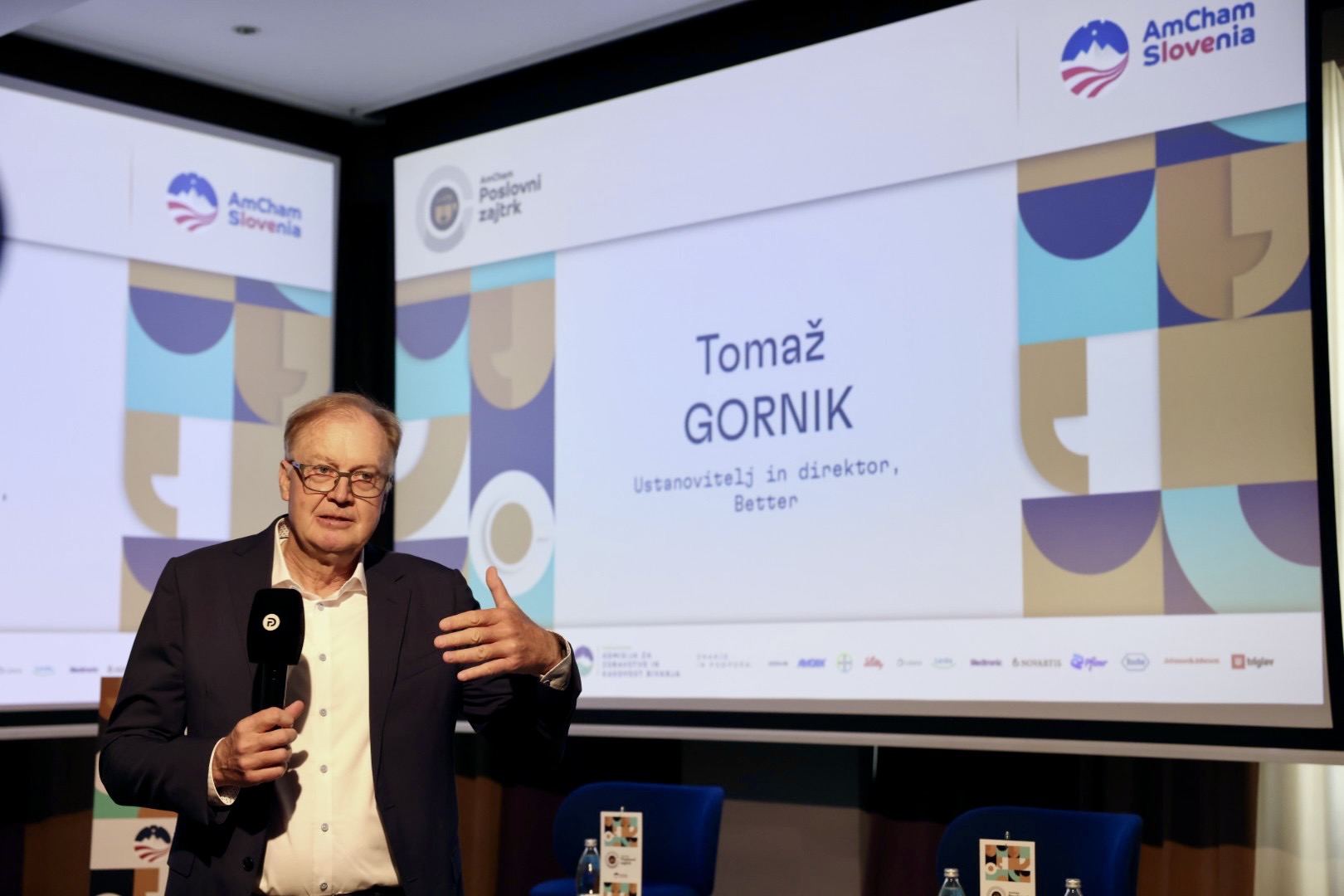
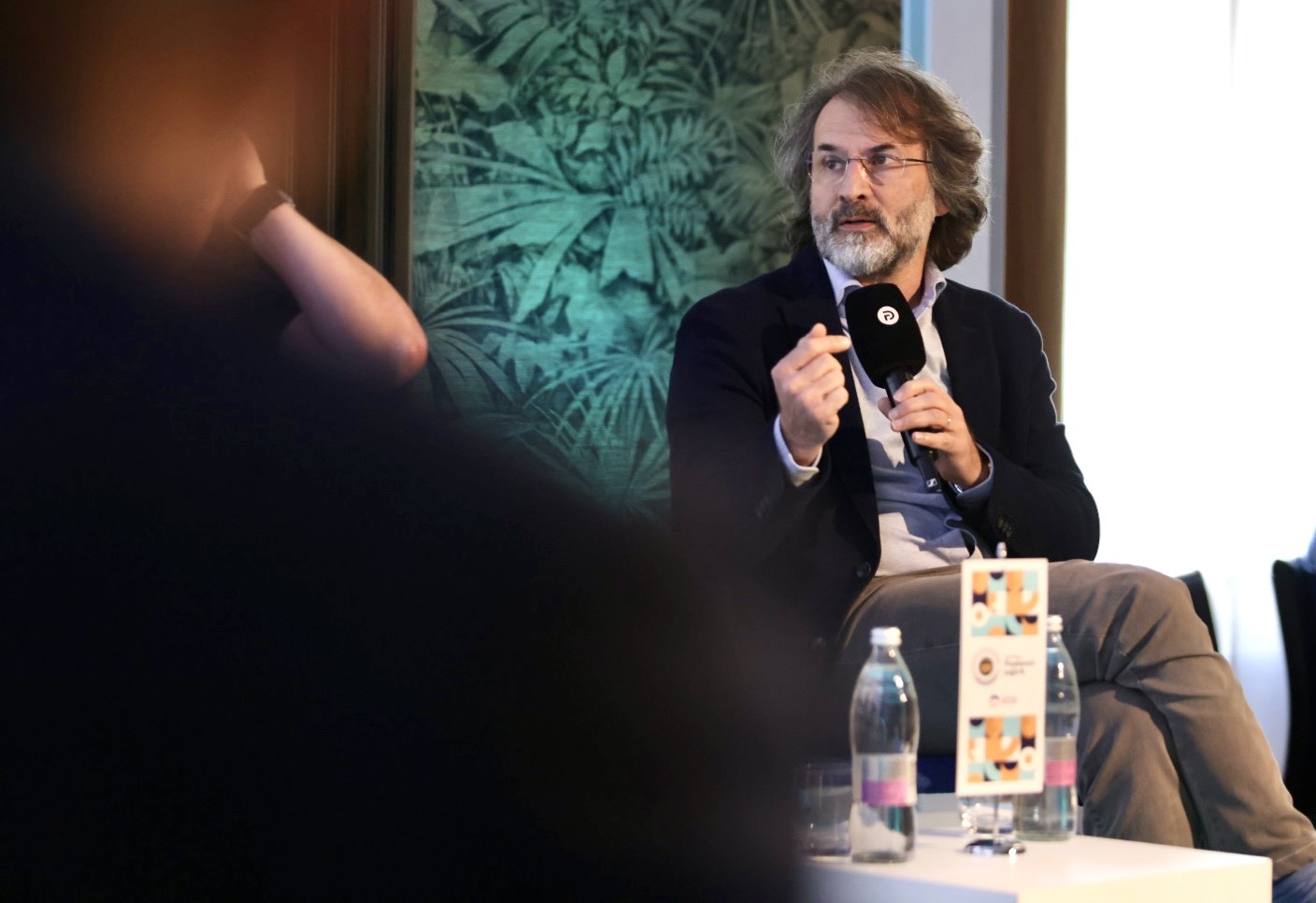
One of the key messages of the event was that the digital transformation of healthcare is one of the most important investments in Slovenia’s productivity, stability, and future. Tomaž Gornik, Founder and CEO, Better, painted a realistic picture of the fragmentation of health data in the Slovenian healthcare system and emphasized that the primary goal is to establish a unified, lifelong patient record that will not be “held hostage” by individual applications, but rather serve as the foundation for better decisions, analytics, research, and patient empowerment.
Assoc. Prof. Marko Pokorn, MD, added a practical perspective: although vast amounts of data are generated in healthcare, they often remain underutilized, while healthcare professionals spend more time entering data than interacting with patients. He emphasized the need for more intuitive digital solutions and the use of artificial intelligence to reduce administrative burden and transform “dead data on disks” into actionable insights for better clinical decisions and more efficient teamwork.