

meeting of the AmCham Ready for the Future Committee
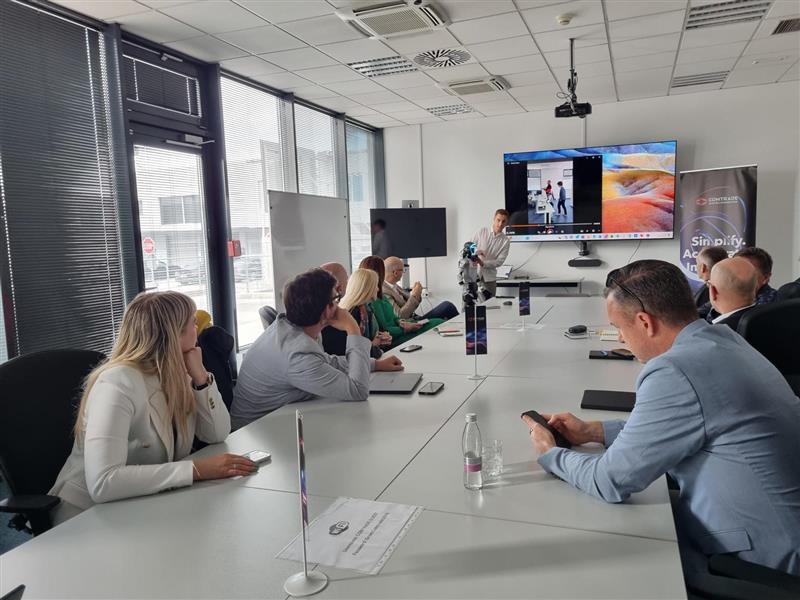
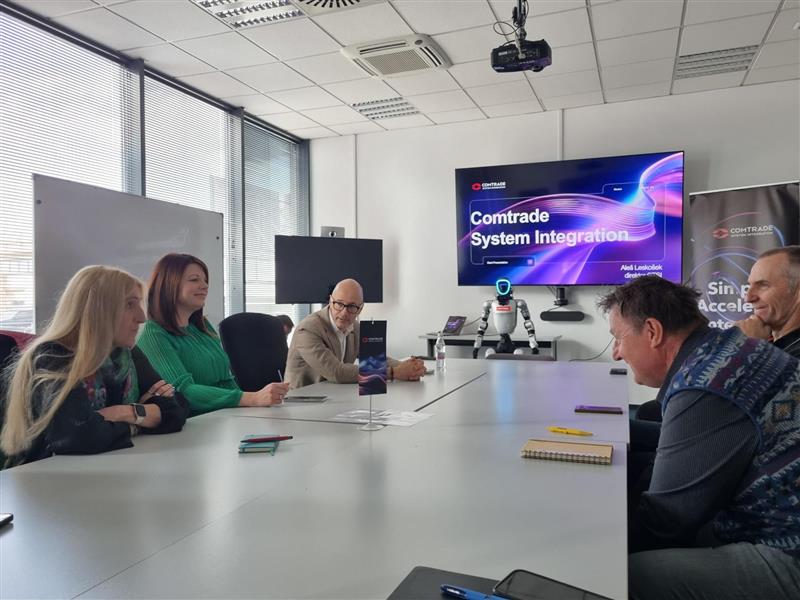
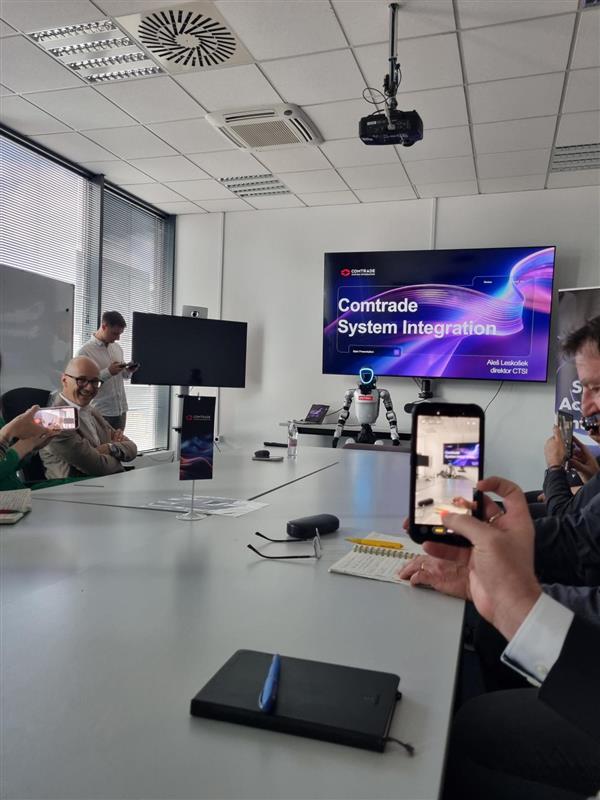
At a meeting of the AmCham Ready 4D Future Committee, hosted by ComTrade sistemske integracije, participants discussed the development of advanced technologies and the challenges facing Slovenia’s education system.
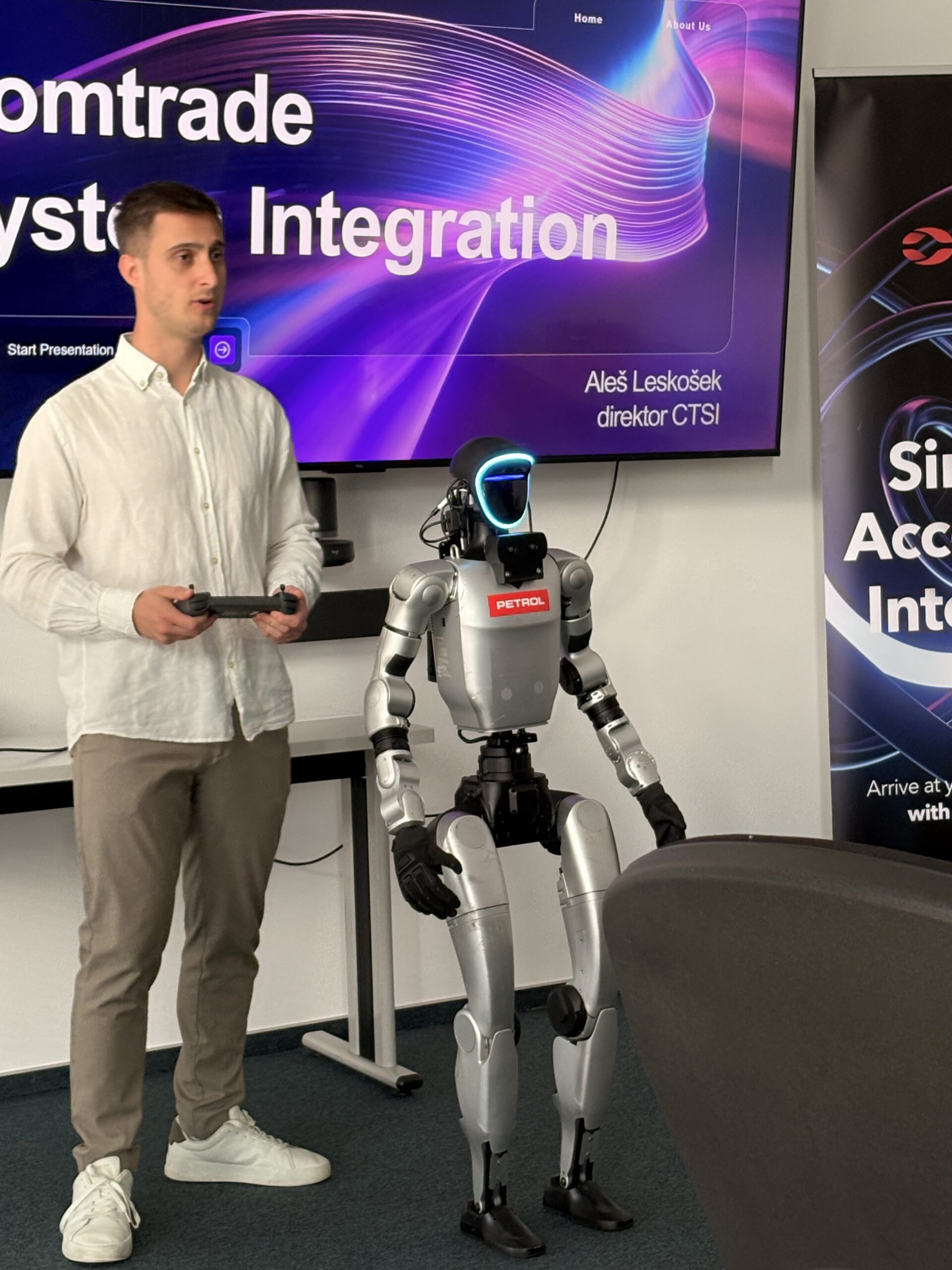
The company, whose roots trace back to Hermes Softlab, operates in cybersecurity, data science, and artificial intelligence. Over the past year, together with partners, it has also been developing the “brain” of a humanoid robot that could assist users in practice, for example, in customer service or with simpler retail tasks.
The development of such solutions raises broader questions about society’s readiness for the future. This year marks 10 years since the establishment of the RINOS initiative, which aimed to make computer science and informatics (RIN) a mandatory subject in primary and secondary schools. However, according to experts, no significant progress has been made in Slovenia in this area.
The meeting also hosted Andrej Brodnik, an Associate Professor and leading expert in computer science, and a long-time advocate for integrating RIN into the education system. He provided participants with insights into the historical development of these efforts and emphasized the importance of systemic change in building future digital competencies.
Key messages on RIN:
✓ RIN is not a technical subject, but a natural science discipline.
✓ It can also be described as the “physics of the 21st century.”
✓ It does not focus on Excel, Word, or coding, but on the fundamental principles of how digital technologies work.
Participants emphasized that Slovenia’s education system urgently needs modernization to ensure that young people have opportunities comparable to those of their peers across the European Union. Without systemic changes, Slovenia risks falling further behind in digital competencies.