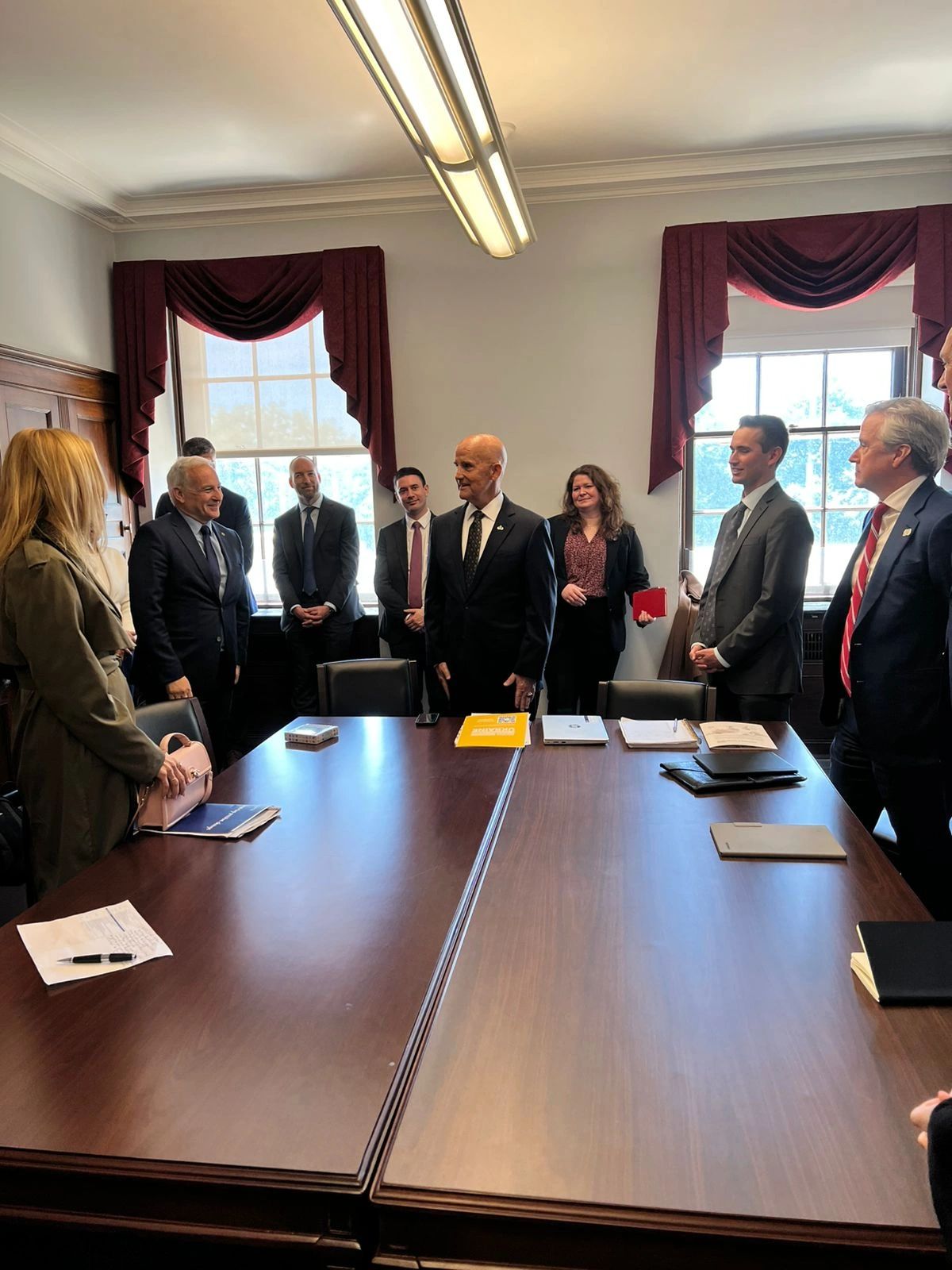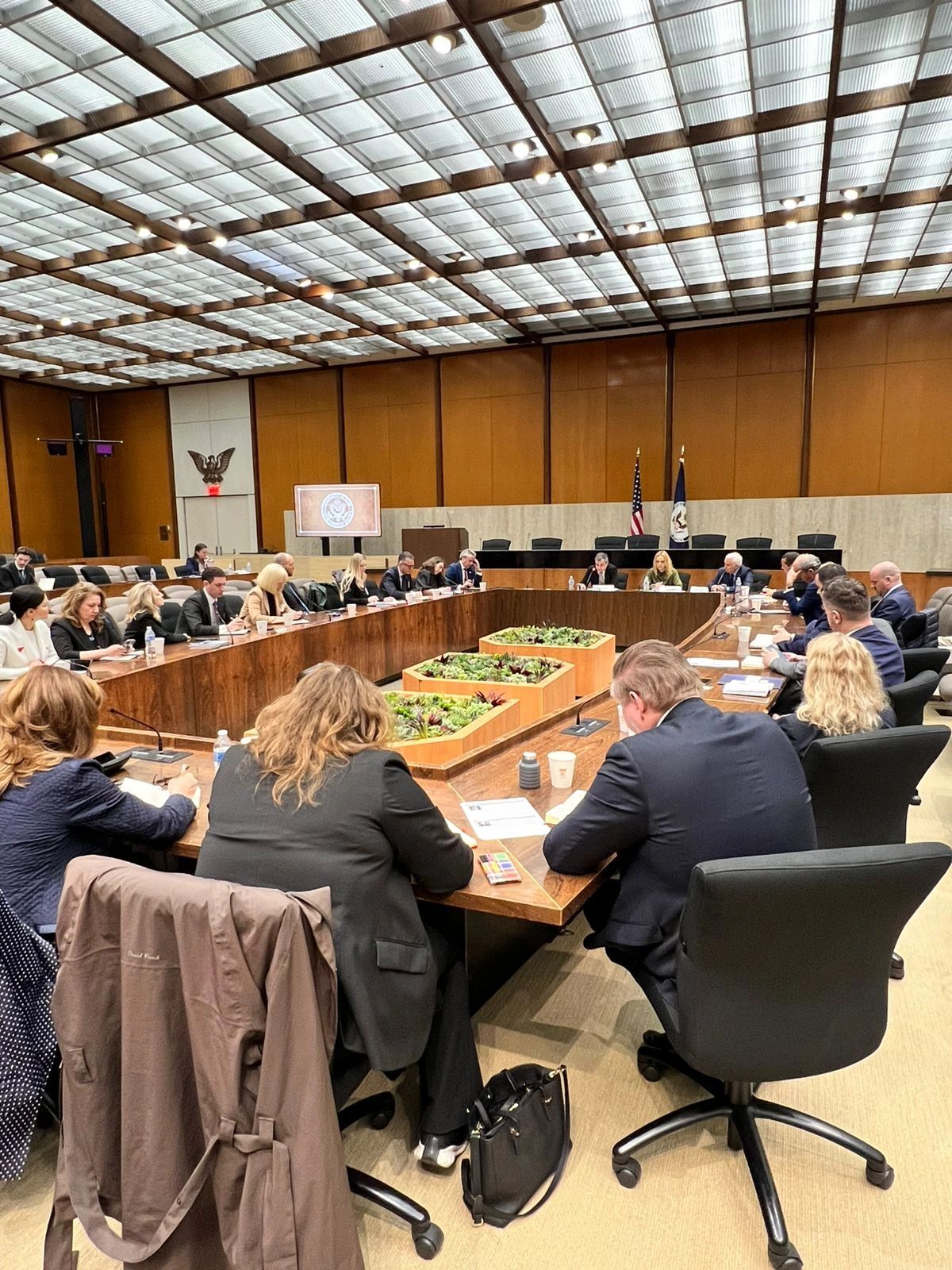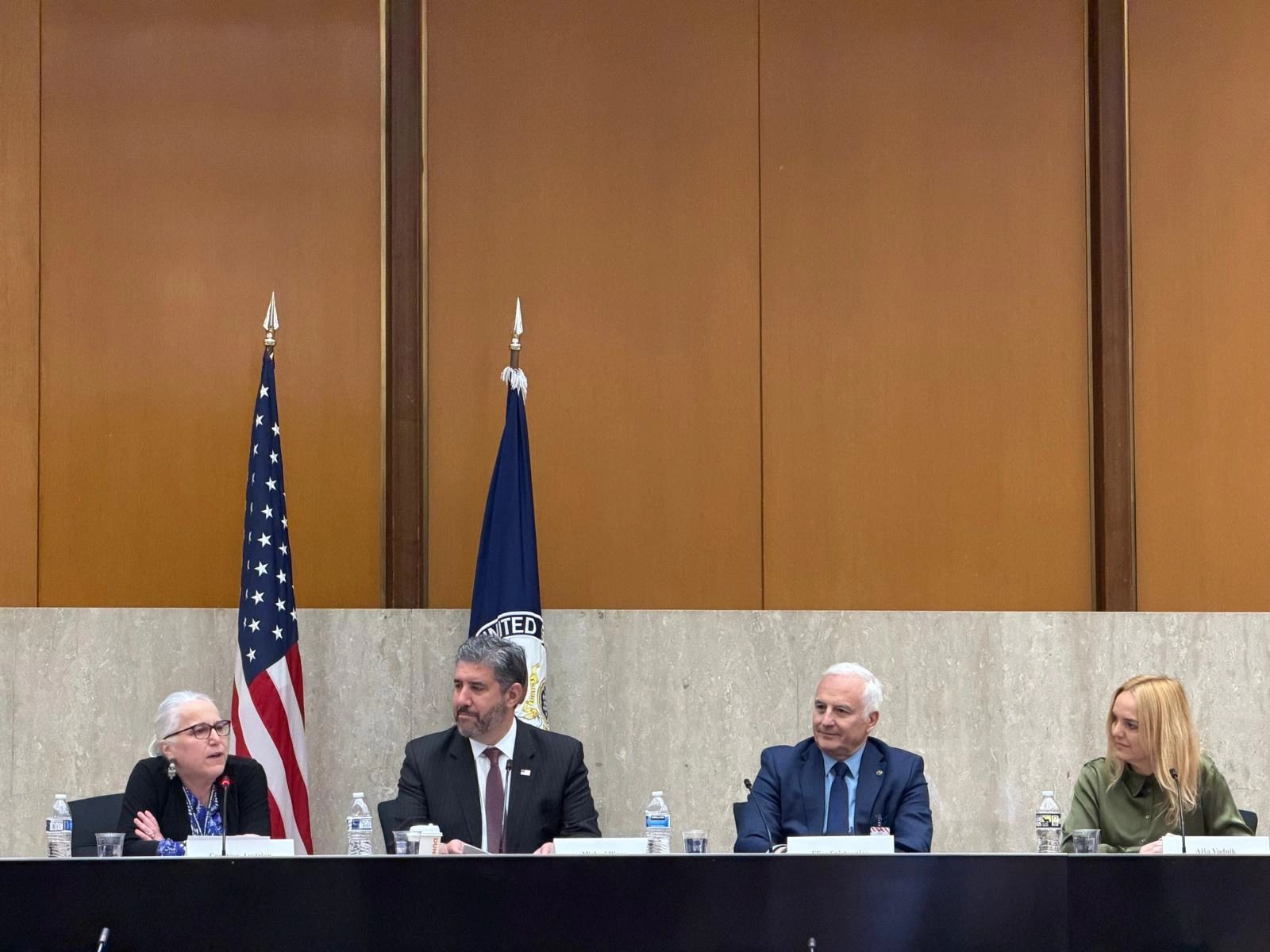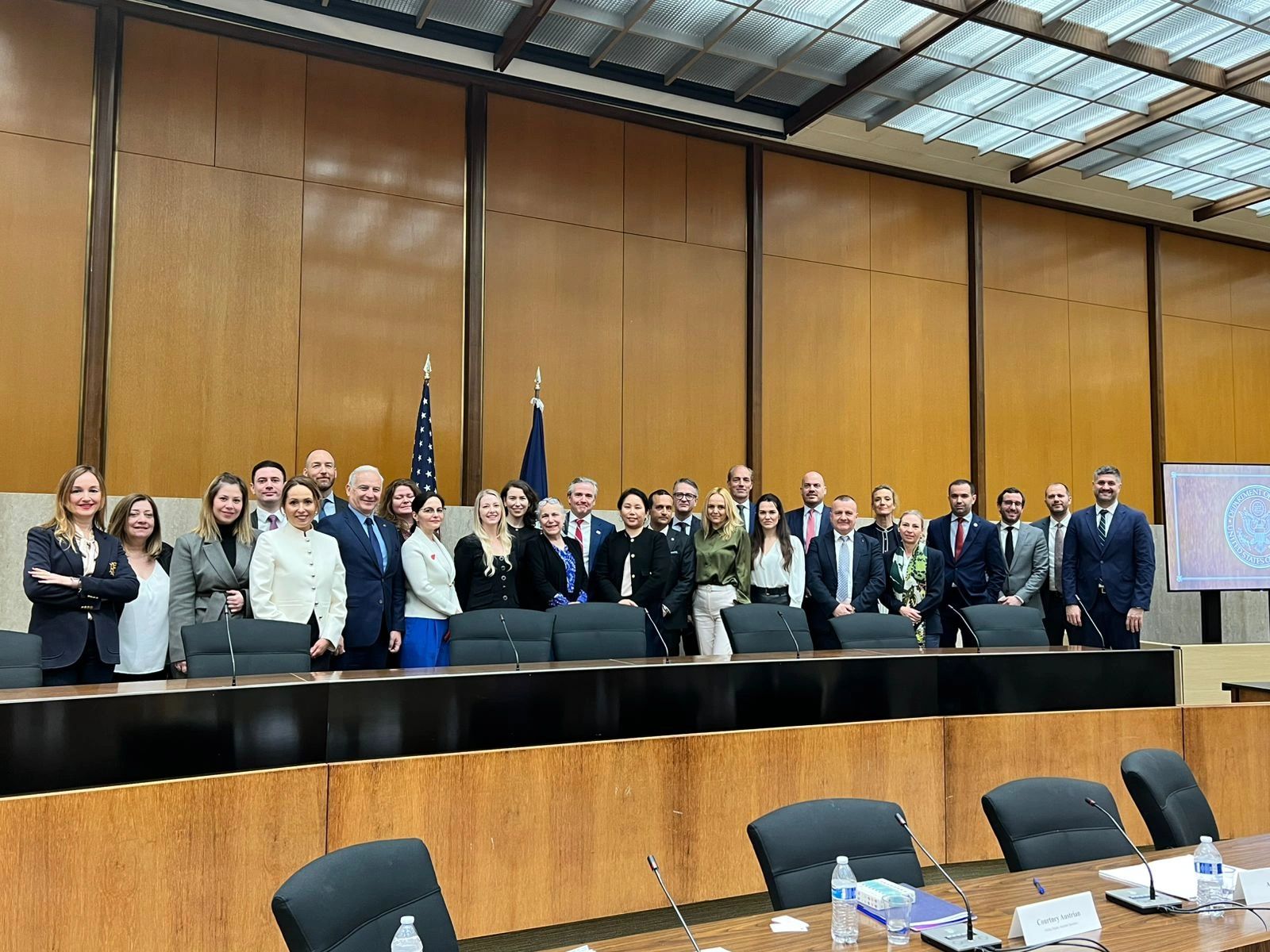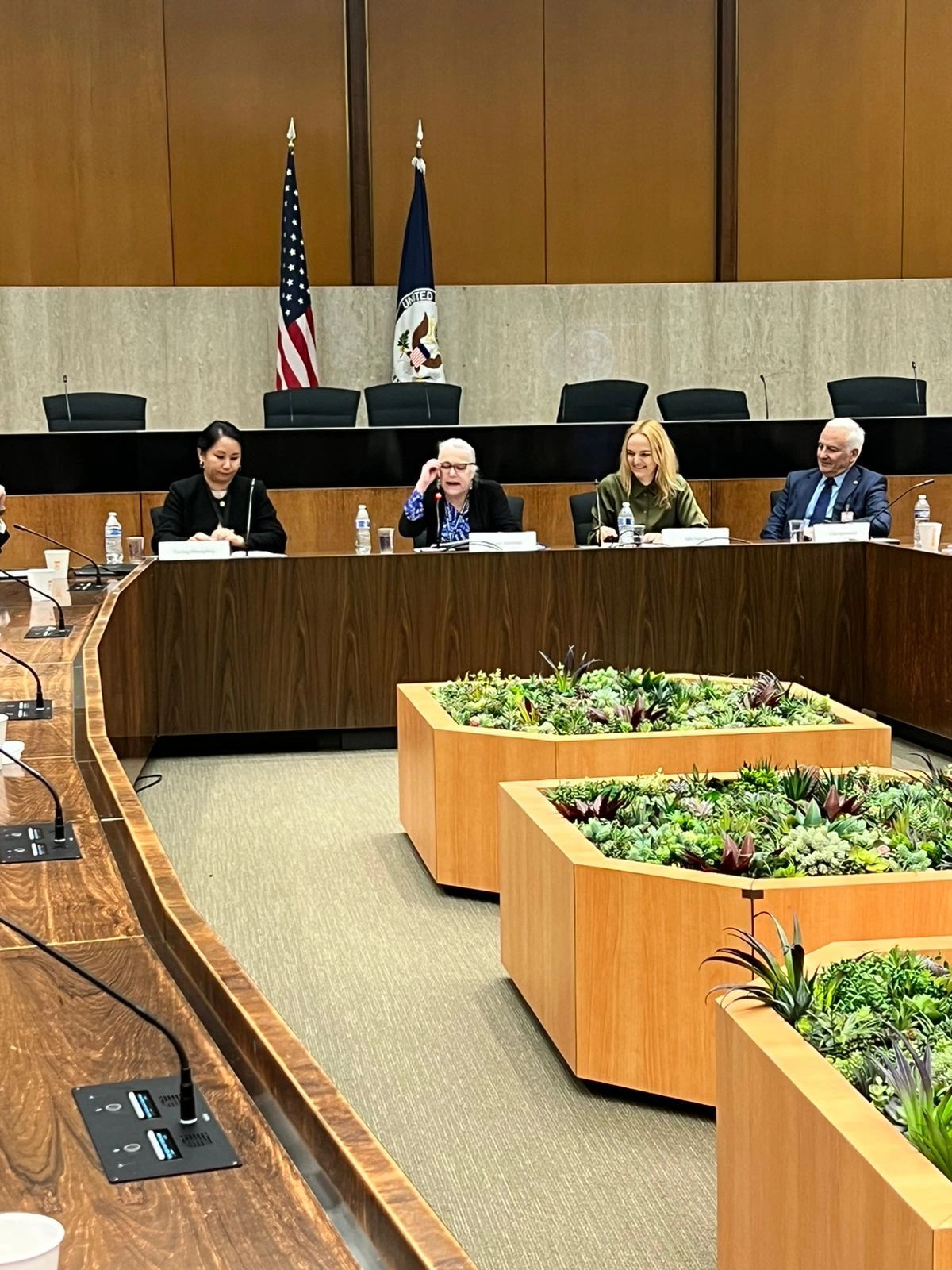


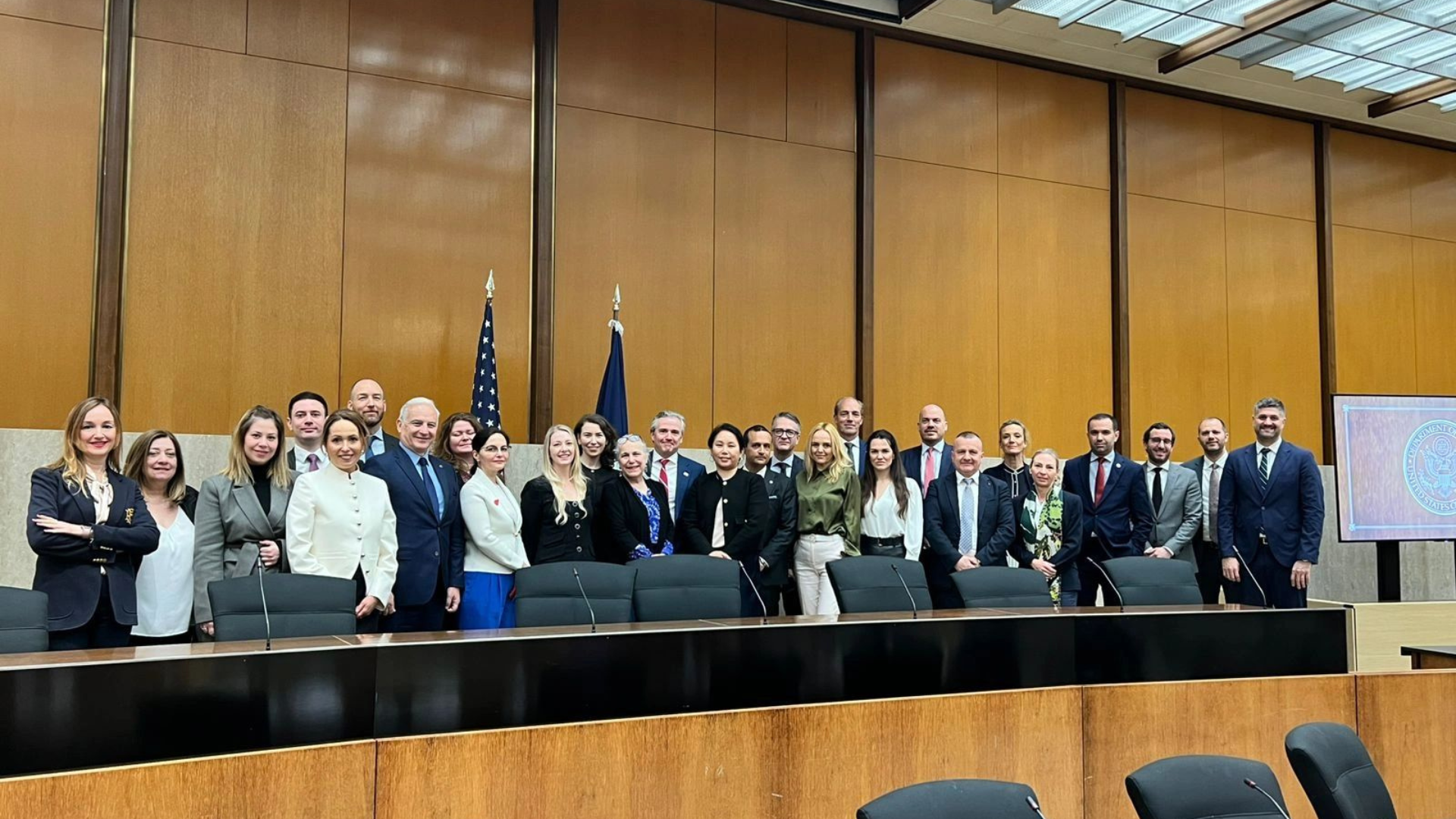
Washington, D.C. / Austin, Teksas
AmChams in Europe, a network of 49 American Chambers of Commerce across Europe representing thousands of companies, has concluded its annual delegation to the United States—one of the key platforms for dialogue between the European business community and U.S. policymakers, institutions, and business leaders.
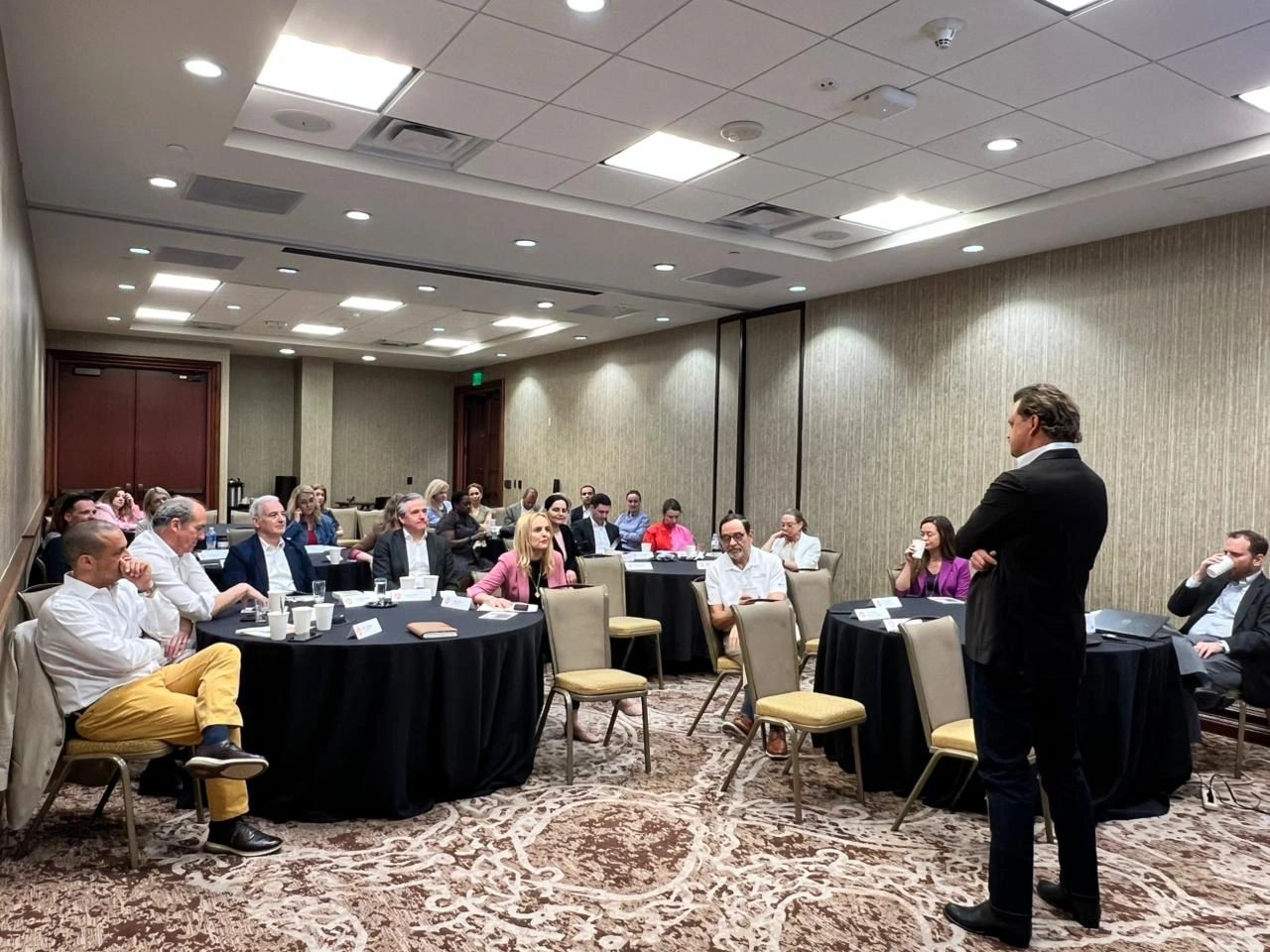
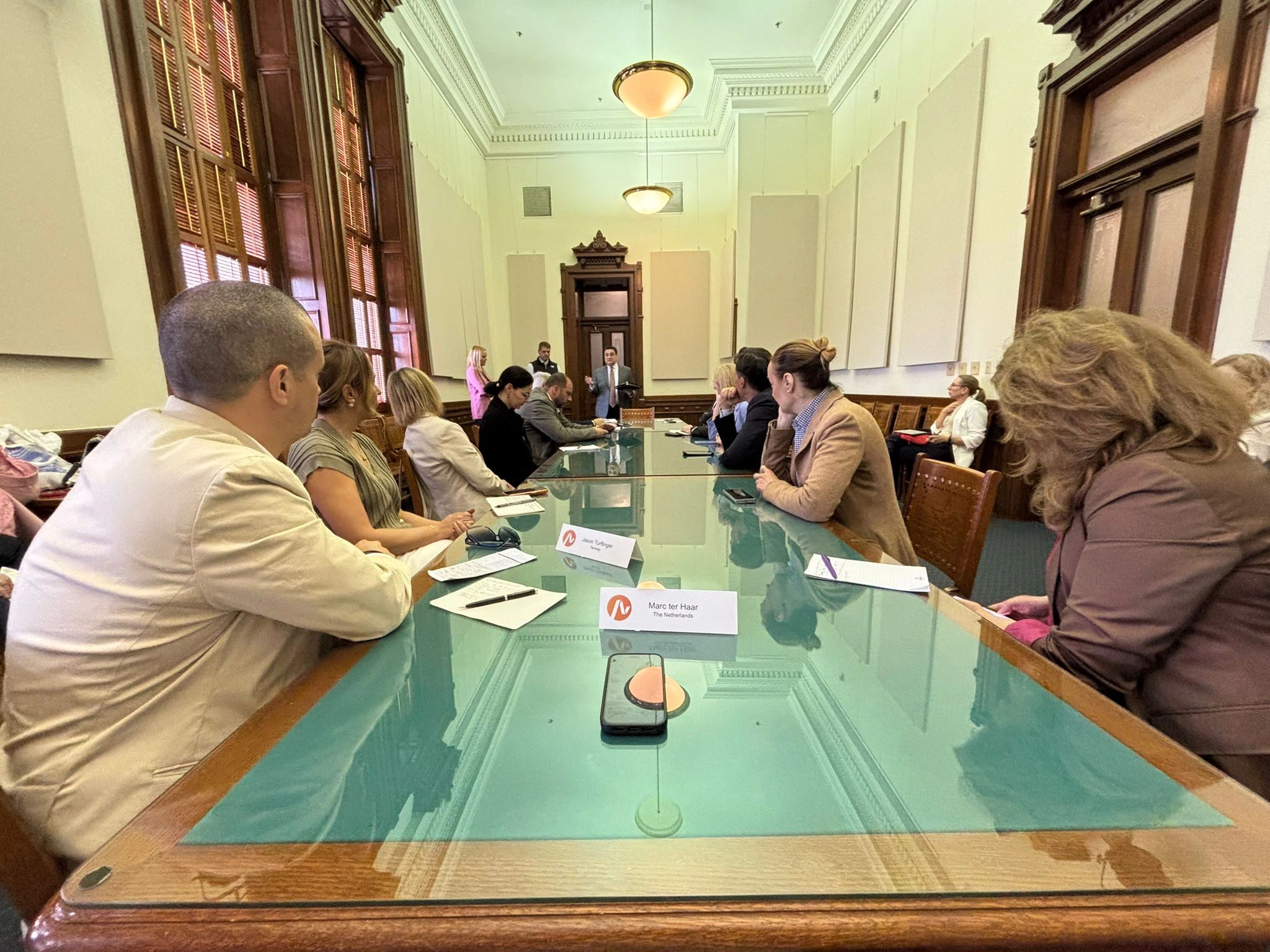
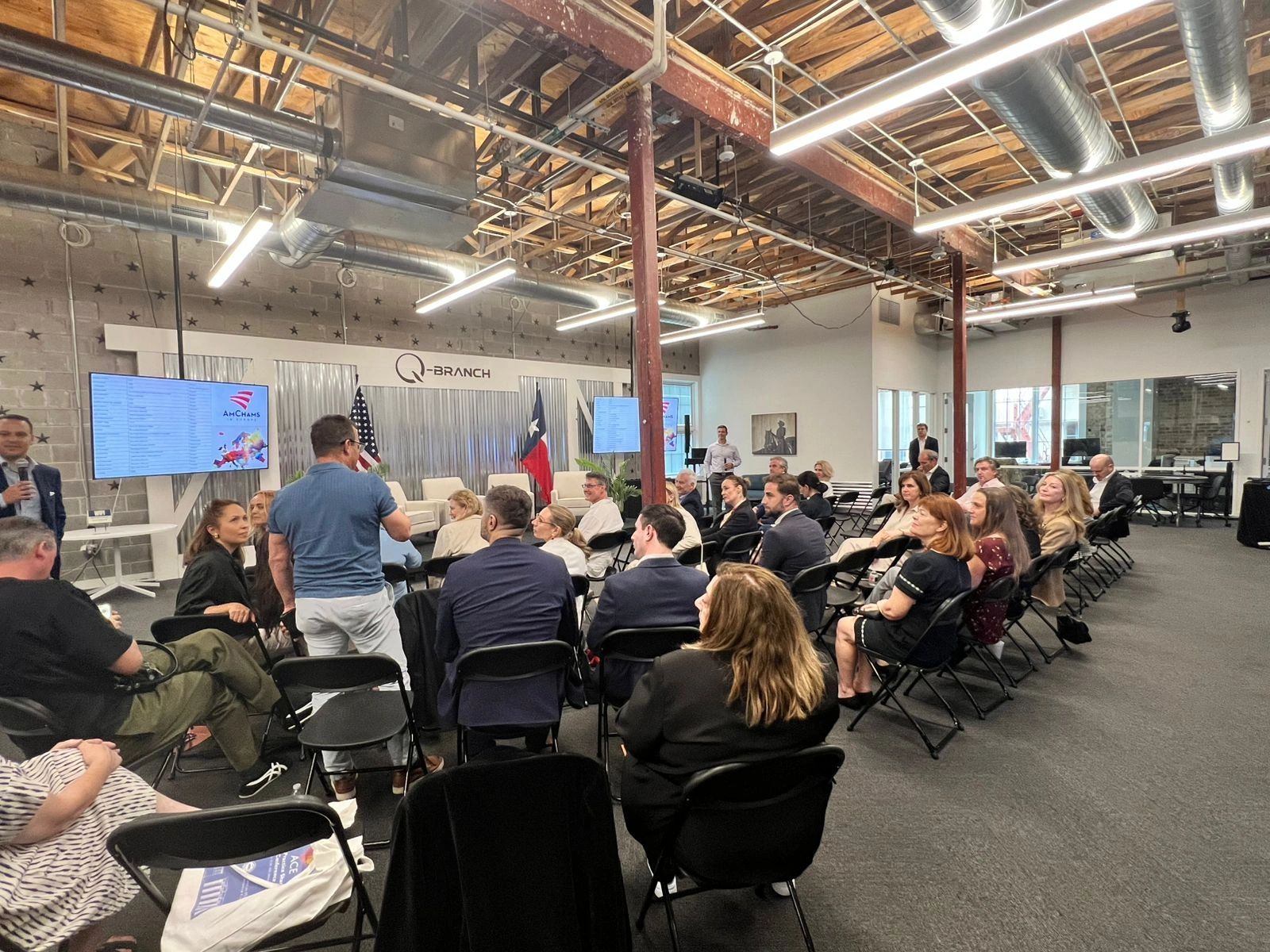
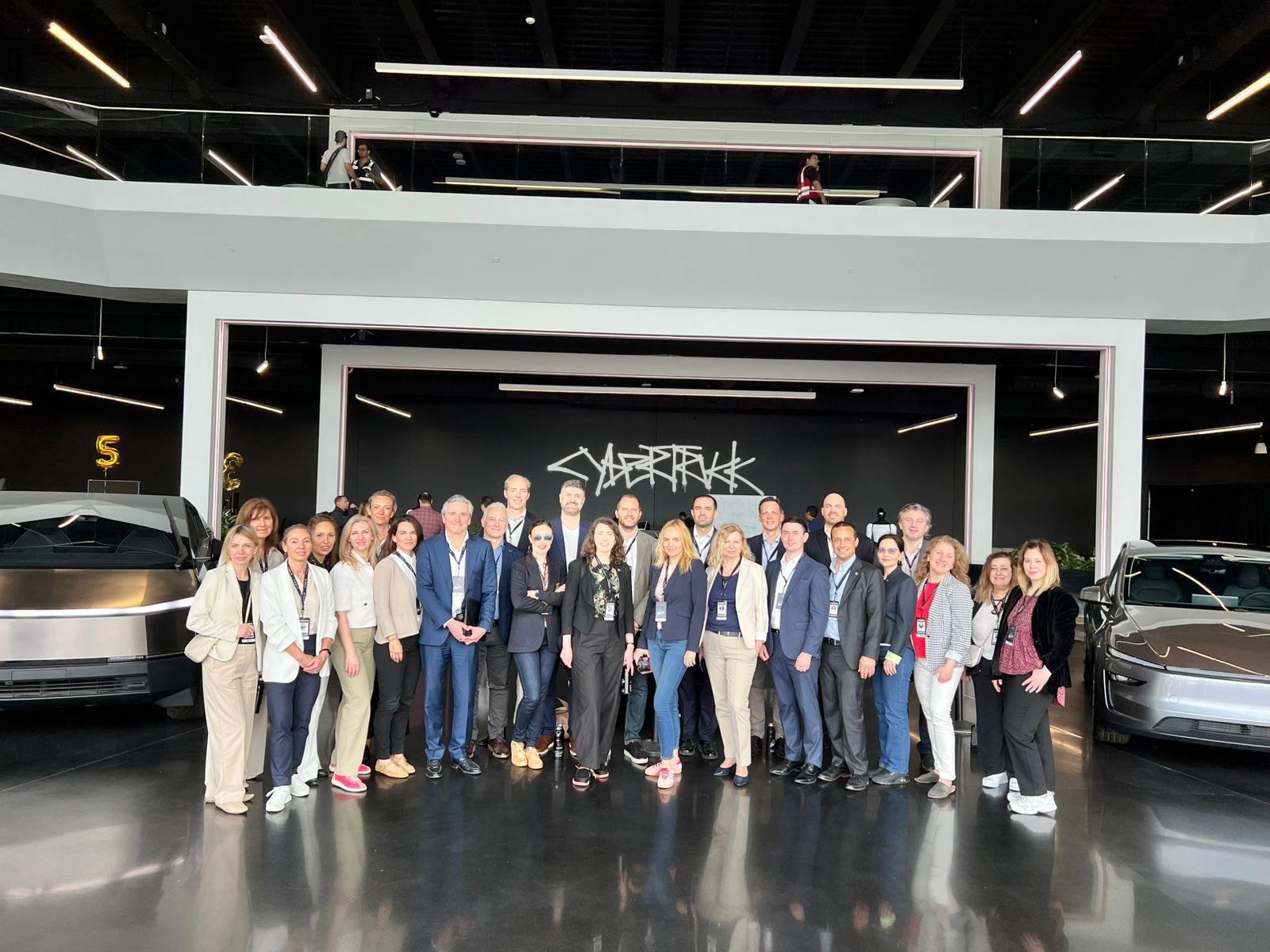
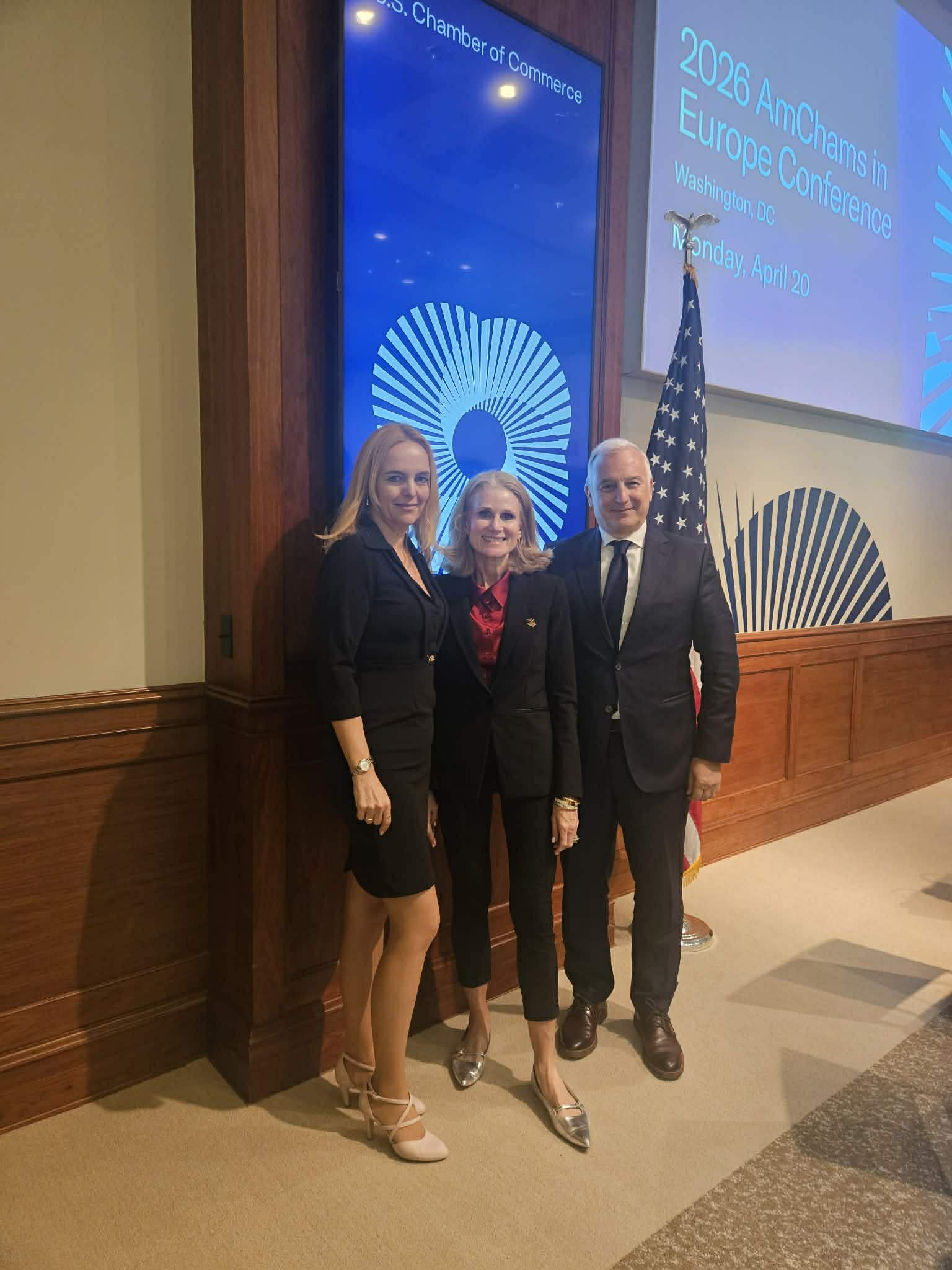
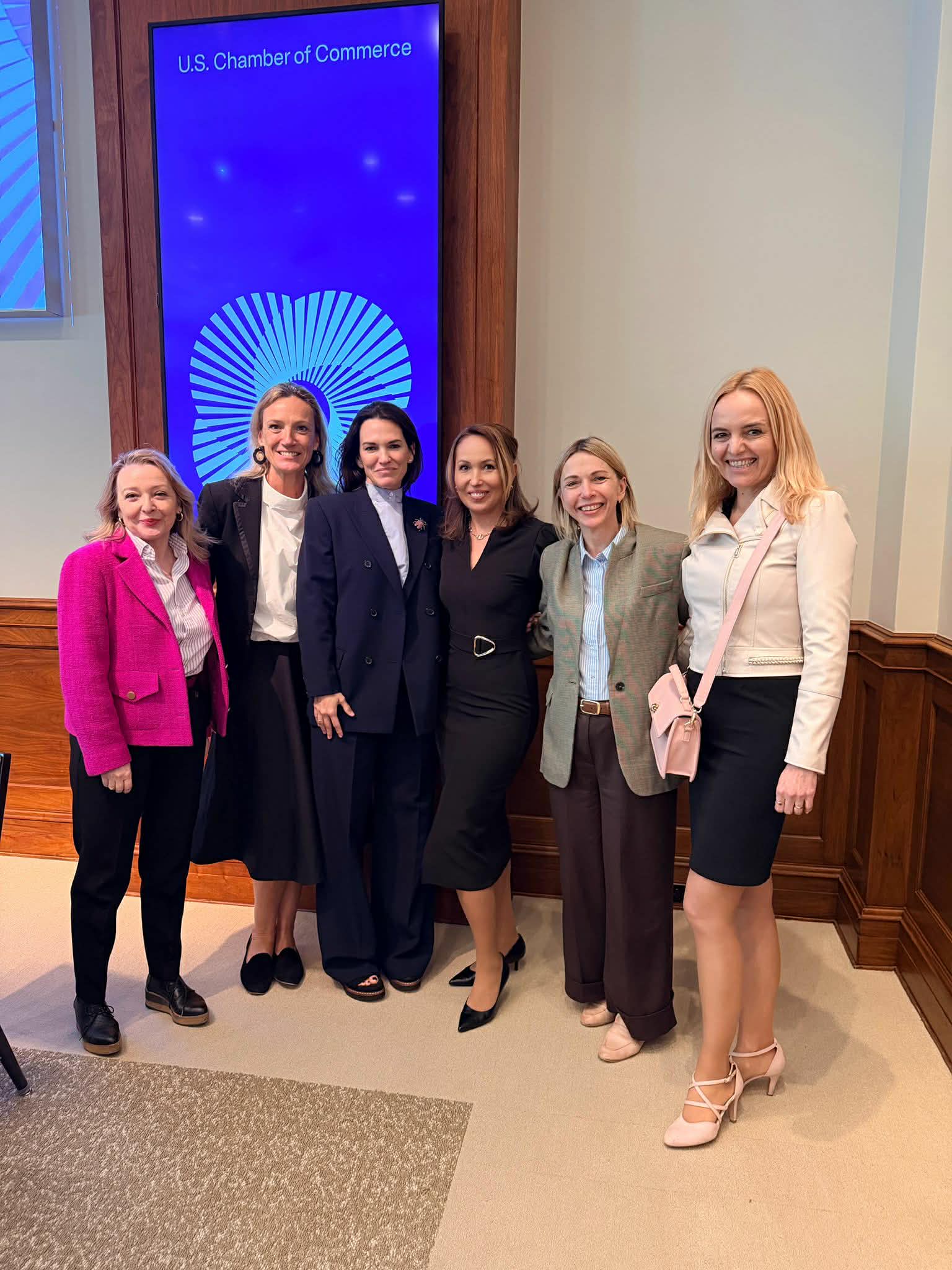
The 36-member delegation from 30 countries took part in a series of high-level meetings between April 20 and 24 in Washington, D.C., and Austin, Texas, with a clear objective: to strengthen the transatlantic partnership—the largest and most integrated economic relationship in the world, valued at $9.8 trillion.
The delegation was led by Ajša Vodnik, CEO of AmCham Slovenia and Chair of AmChams in Europe.
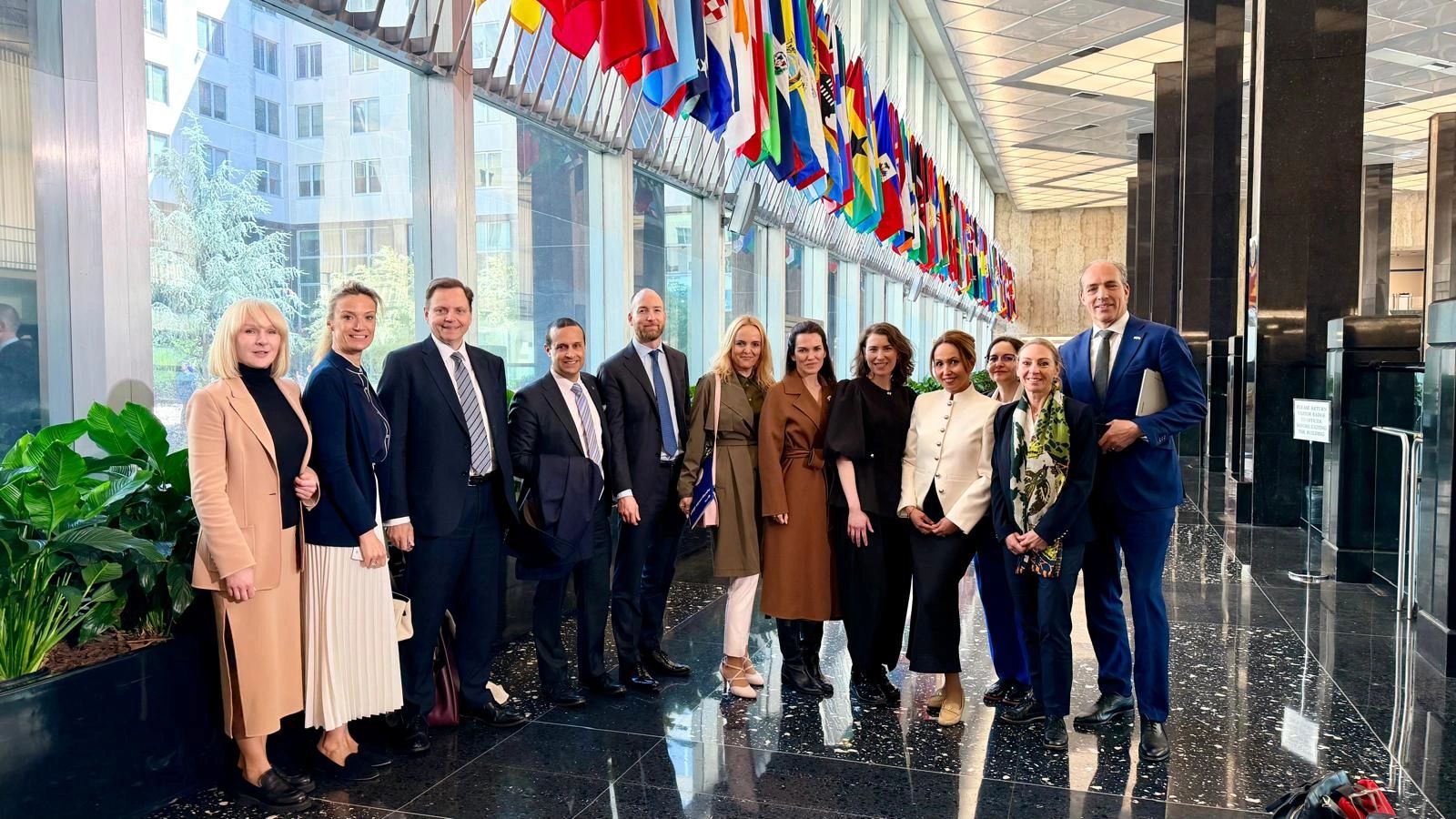
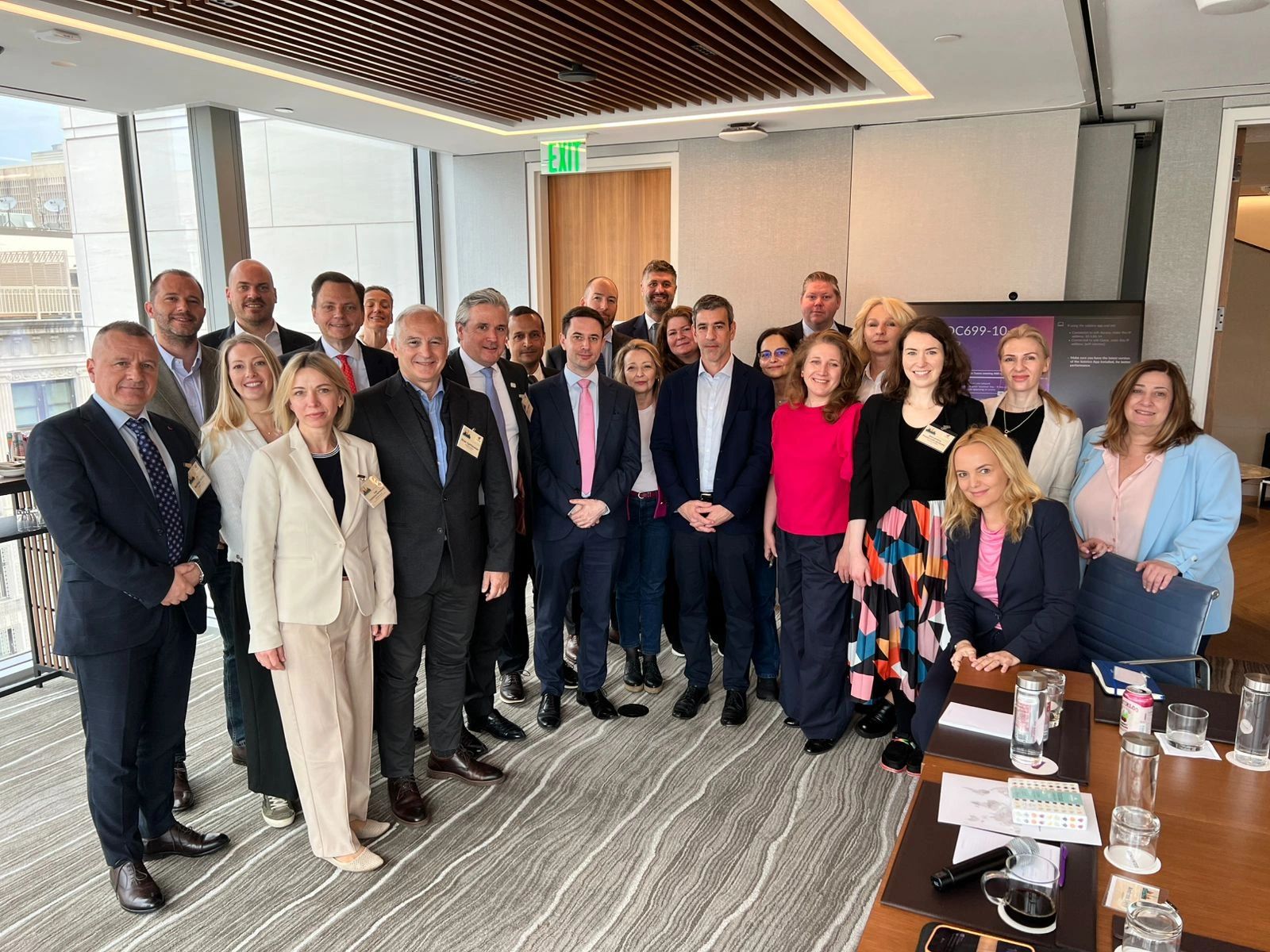
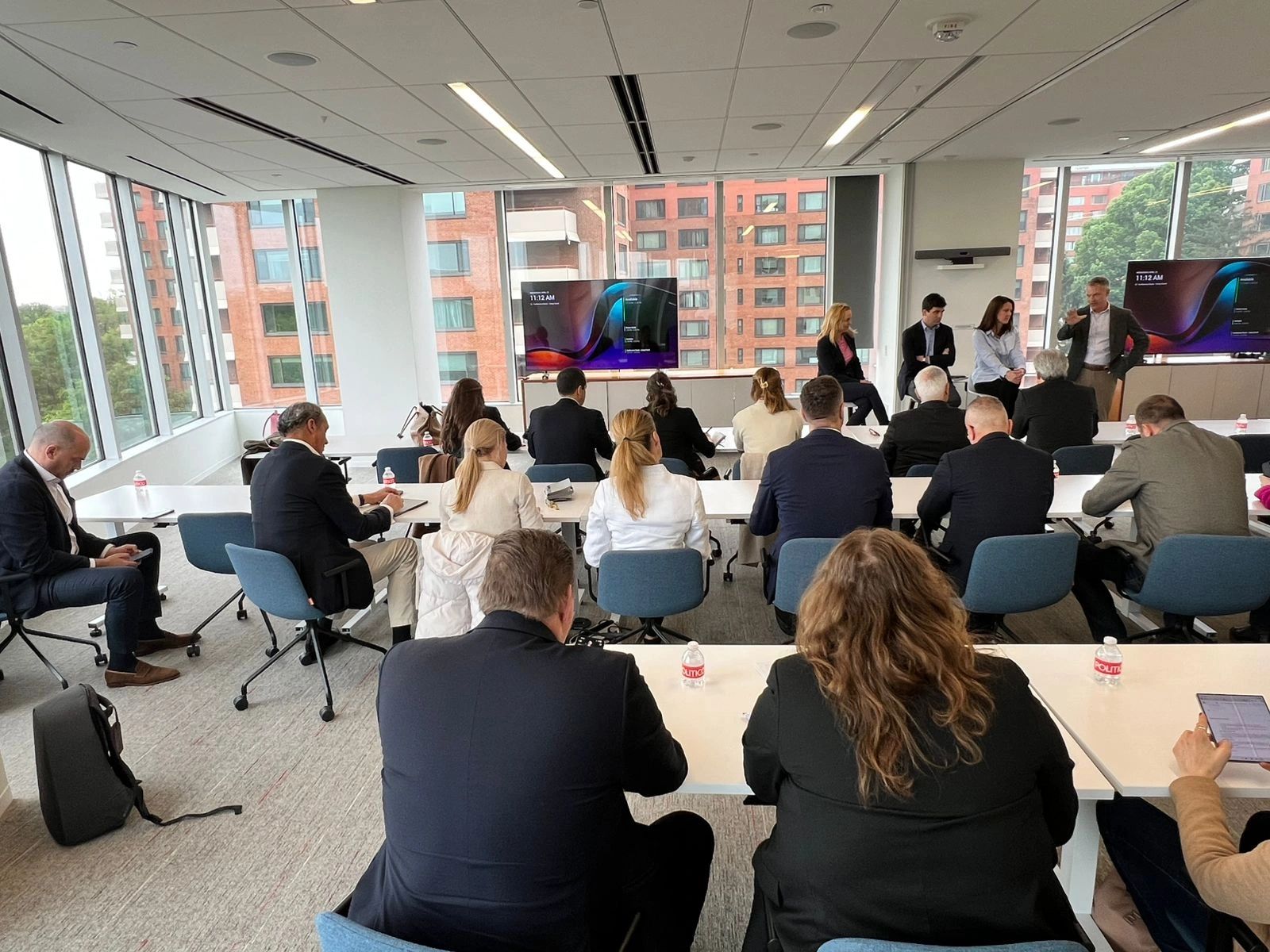
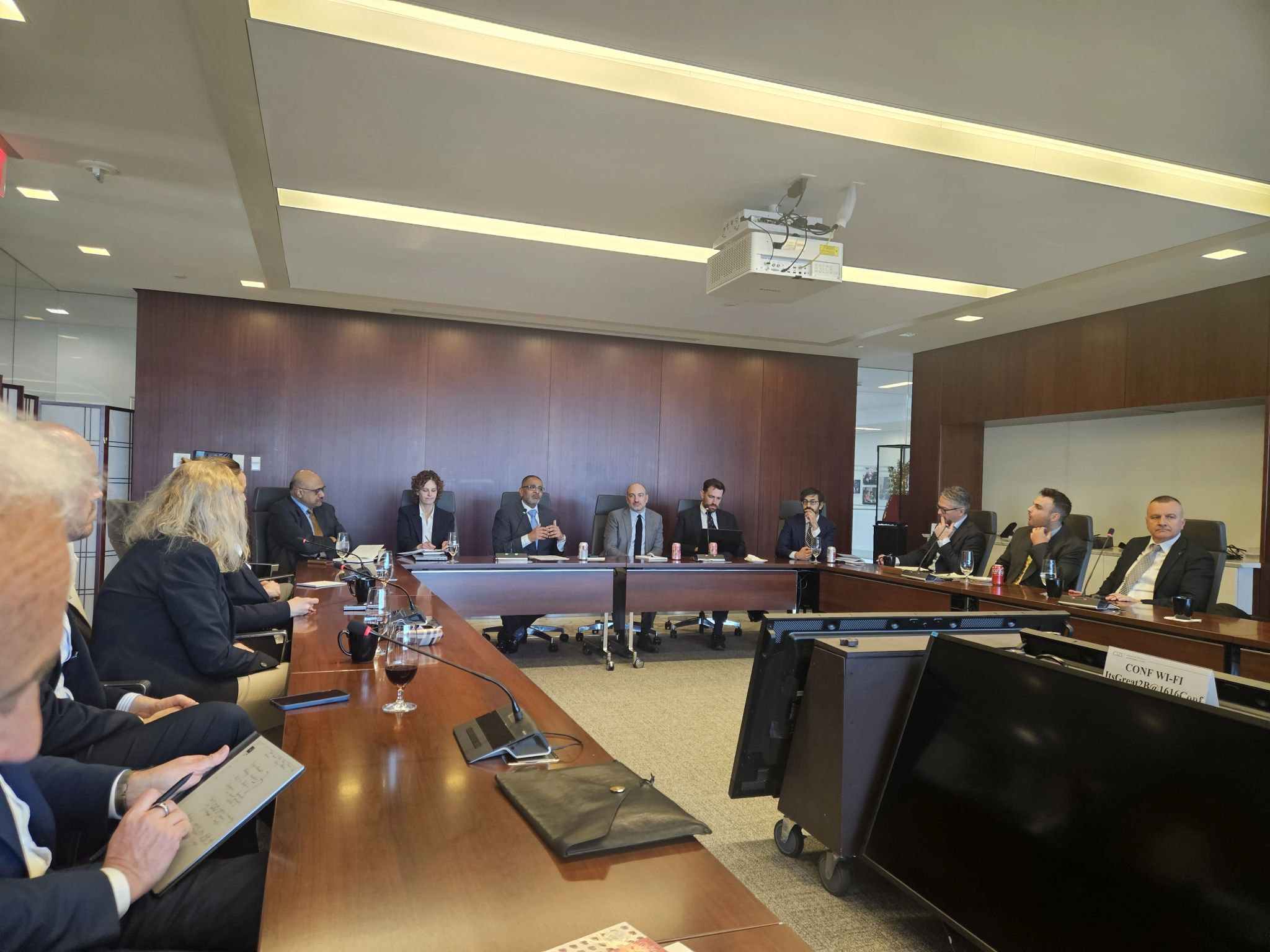
In Washington, D.C., the delegation held a number of meetings with senior representatives of key U.S. institutions and organizations, including the U.S. Chamber of Commerce, the U.S. Department of Commerce, and the U.S. Department of State, where discussions focused on current economic and geopolitical issues. Meetings also took place on Capitol Hill with members of the U.S. Congress, at leading think tanks such as the Center for Strategic and International Studies (CSIS), and with companies and media outlets, including Accenture and Politico. Participants agreed that while the transatlantic relationship is complex, it remains globally essential, with business playing a key stabilizing role. It was also noted that the U.S. and Europe often pursue the same goals, but express them through different political and communication approaches.
The transatlantic economy remains a cornerstone of global stability, growth, and innovation. The United States and Europe are each other’s largest trade and investment partners, with more than 50% of foreign direct investment into Europe coming from the U.S., and more than 60% of investment into the U.S. coming from Europe.
In this context, the broader picture of cooperation was also emphasized: together, the U.S. and Europe form an ecosystem of innovation, strong connections, cutting-edge technologies, and shared values built over decades. As highlighted by Ajša Vodnik, CEO of AmCham Slovenia and Chair of AmChams in Europe, who led the delegation:
“AmChams have long stood on the front line of advocating for the transatlantic economy-not out of nostalgia, but out of necessity. The transatlantic economy is the world’s largest economic relationship, worth $9.8 trillion, and it powers trade, investment, and jobs on both sides of the Atlantic […] With the United States, we form an ecosystem of innovation, deep connections, top-notch technology, and shared values that have bound us for decades-and can continue to do so.”
Participants emphasized the importance of a stable, predictable, and open business environment as a key condition for further strengthening economic and industrial cooperation. In this context, the need for greater regulatory alignment was also highlighted—reducing friction, enabling better policy coordination, and preventing the emergence of new trade barriers.
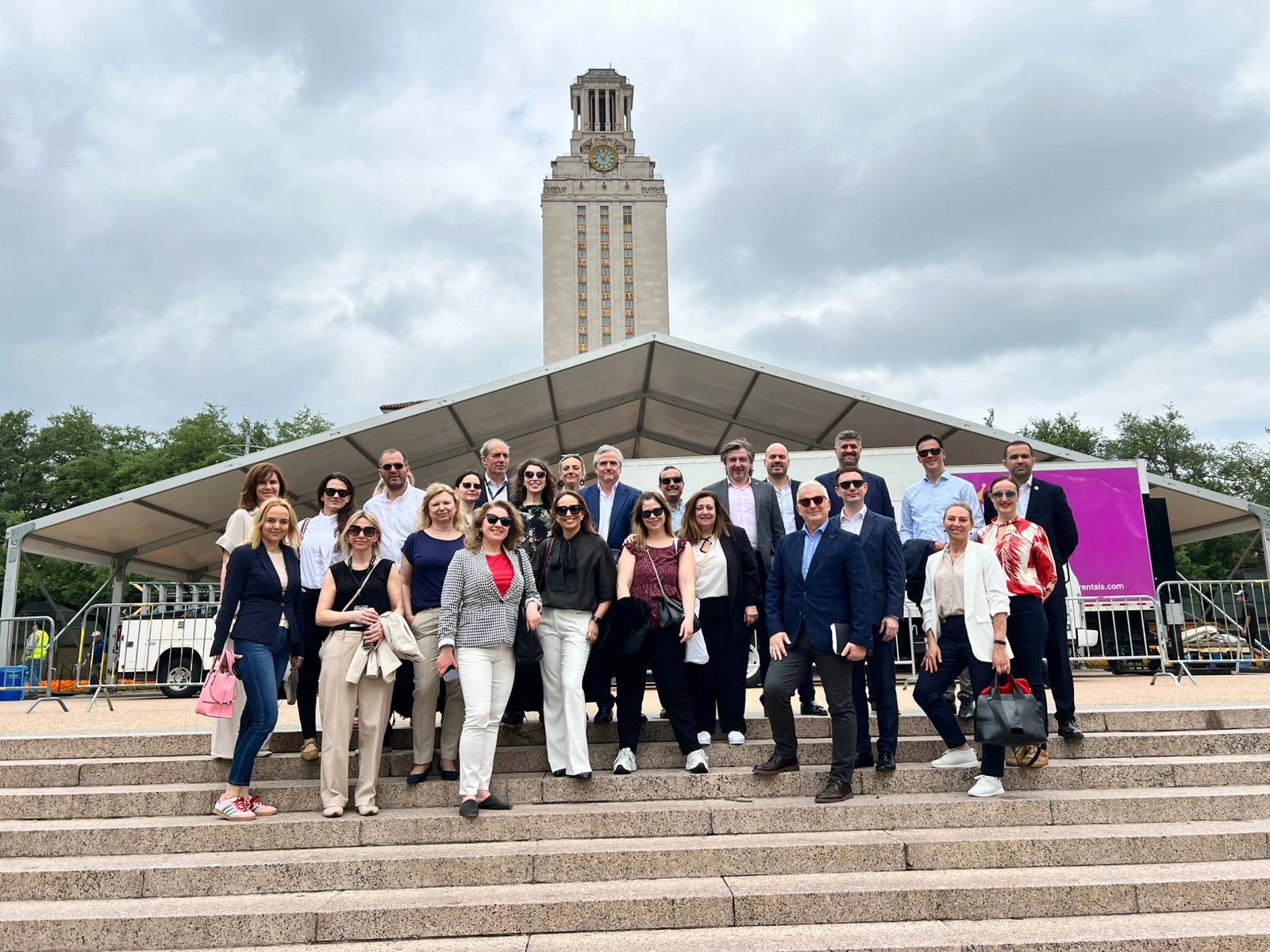
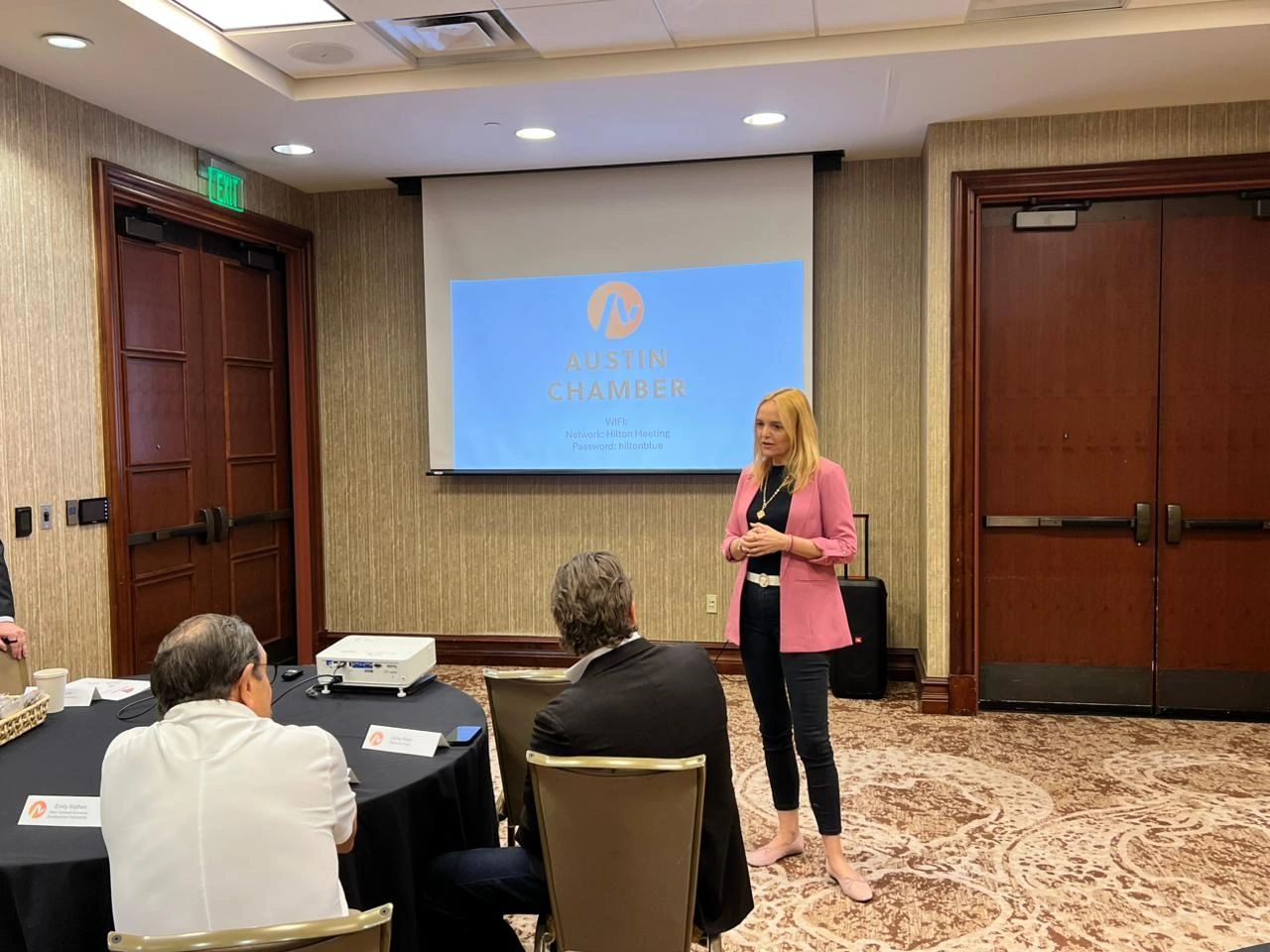
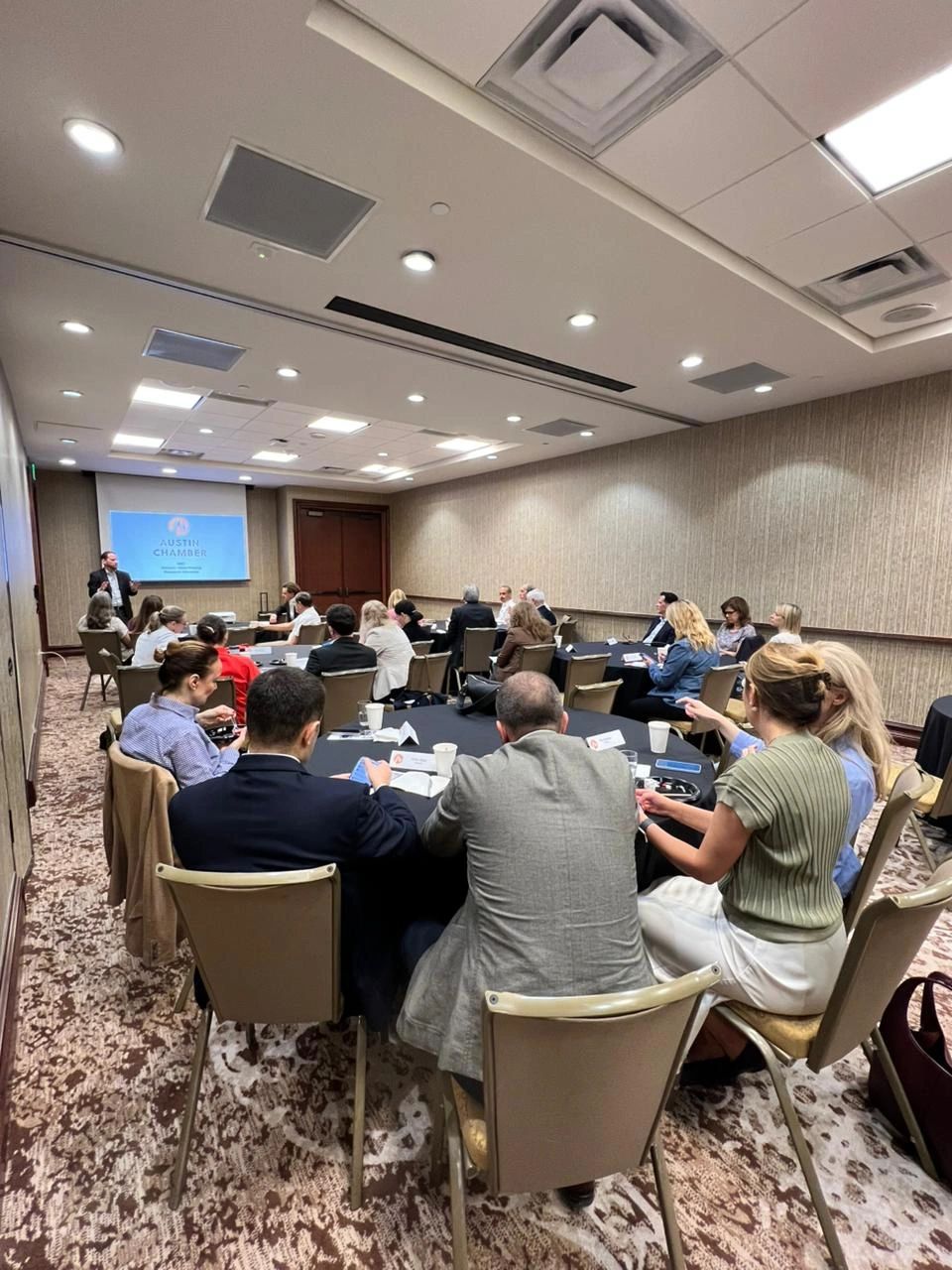
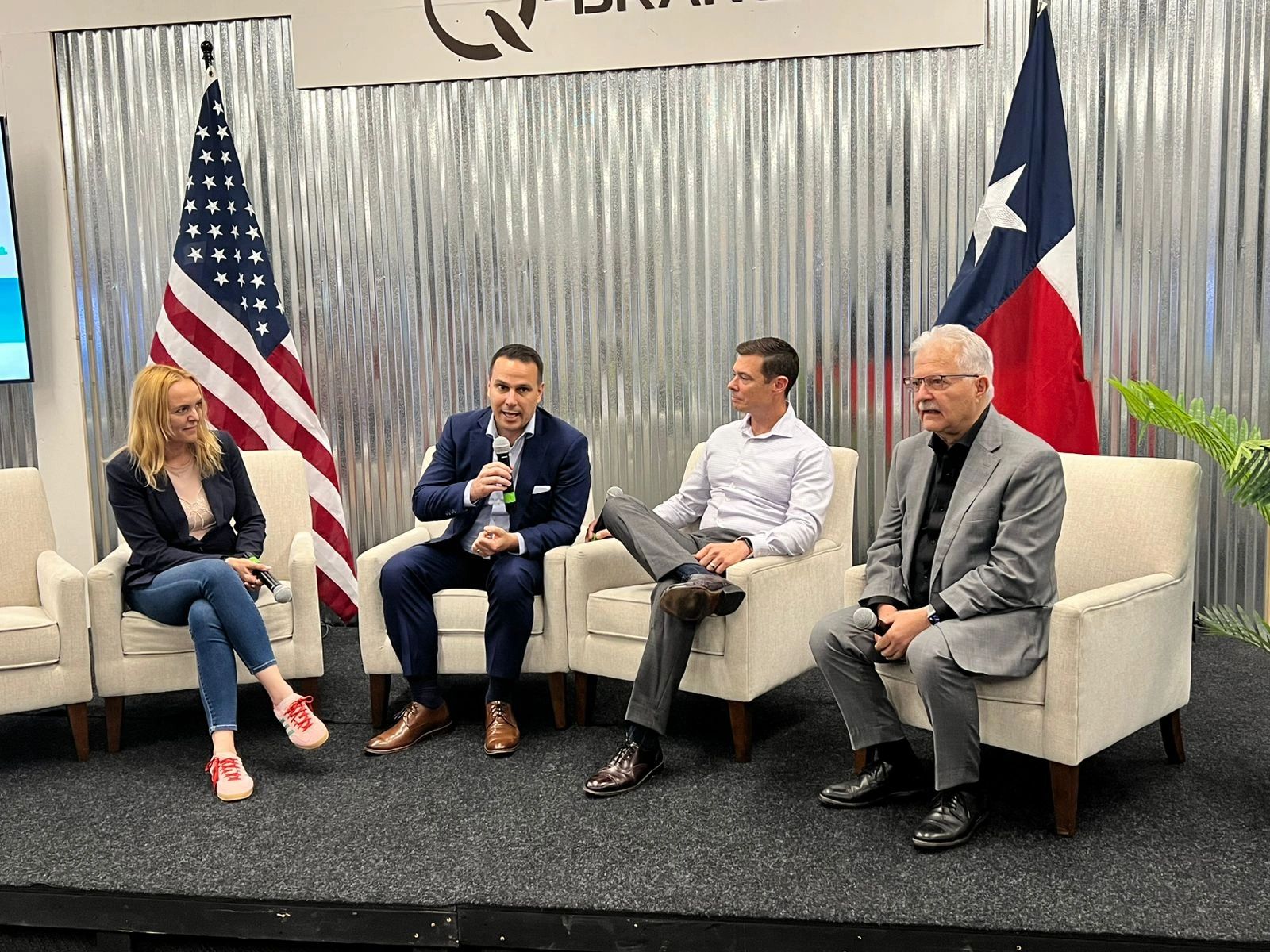
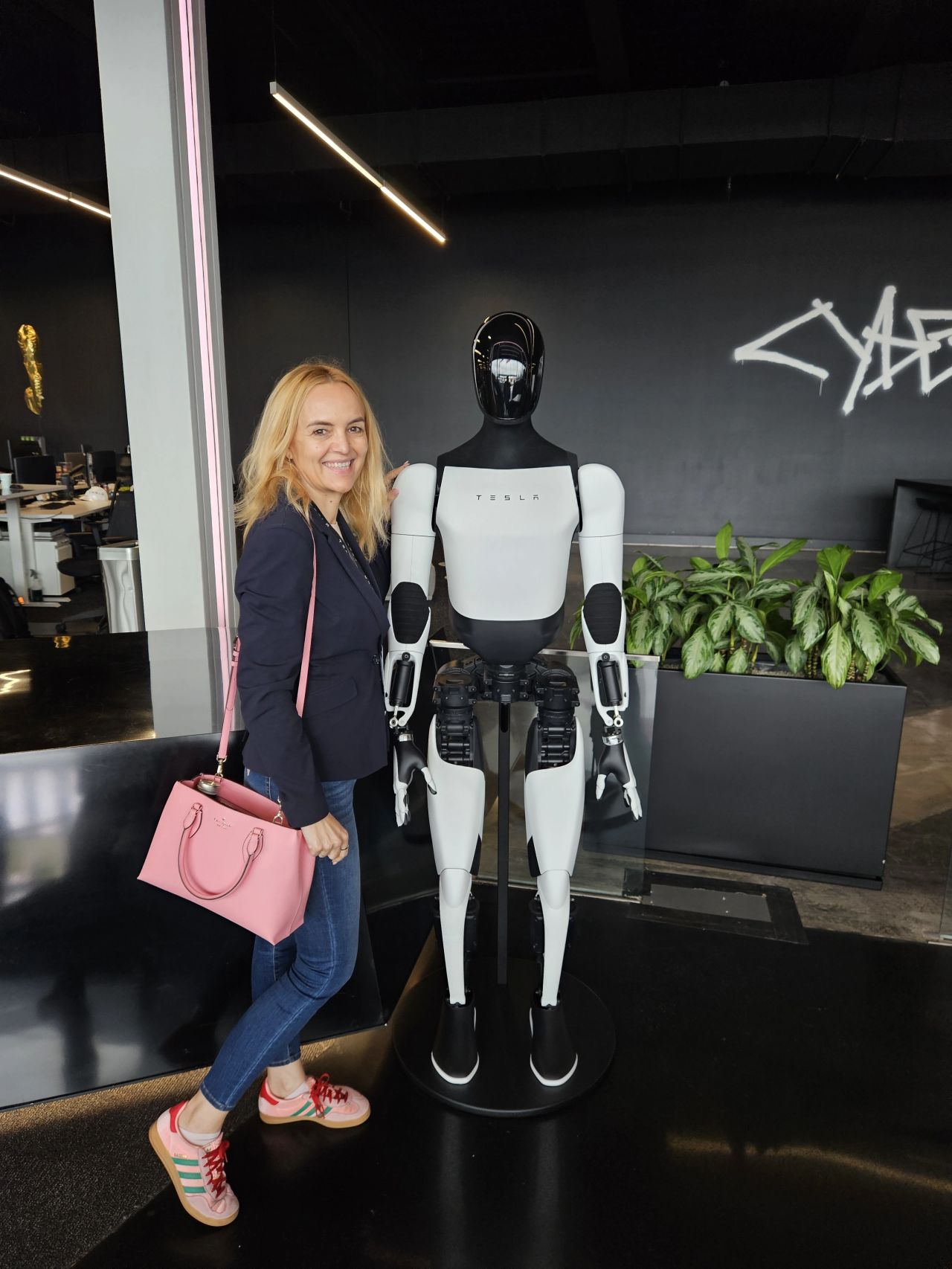
The delegation’s programme concluded in Austin, Texas, where the focus shifted to innovation and technological development. The delegation visited companies such as Tesla (Gigafactory) and Dell Technologies, and engaged in discussions with the University of Texas at Austin, the Austin Chamber of Commerce, and the Texas Economic Development and Tourism Office. These meetings further highlighted the importance of innovation ecosystems, regional economic development, and collaboration between business, academia, and the public sector. A particularly strong impression was left by the practical approach to attracting investment and supporting businesses—including the possibility of obtaining all necessary permits within just 30 days—as well as strong partnerships between regional economic development organizations, companies, and the state in workforce education and talent development. Delegation members also highlighted the remarkable energy, openness, and hospitality of the local environment.
The delegation’s concluding message is clear: the transatlantic partnership remains one of the strongest forces in the global economy, but it requires continuous efforts to build trust, align policies, and ensure an active role of business in shaping common solutions.