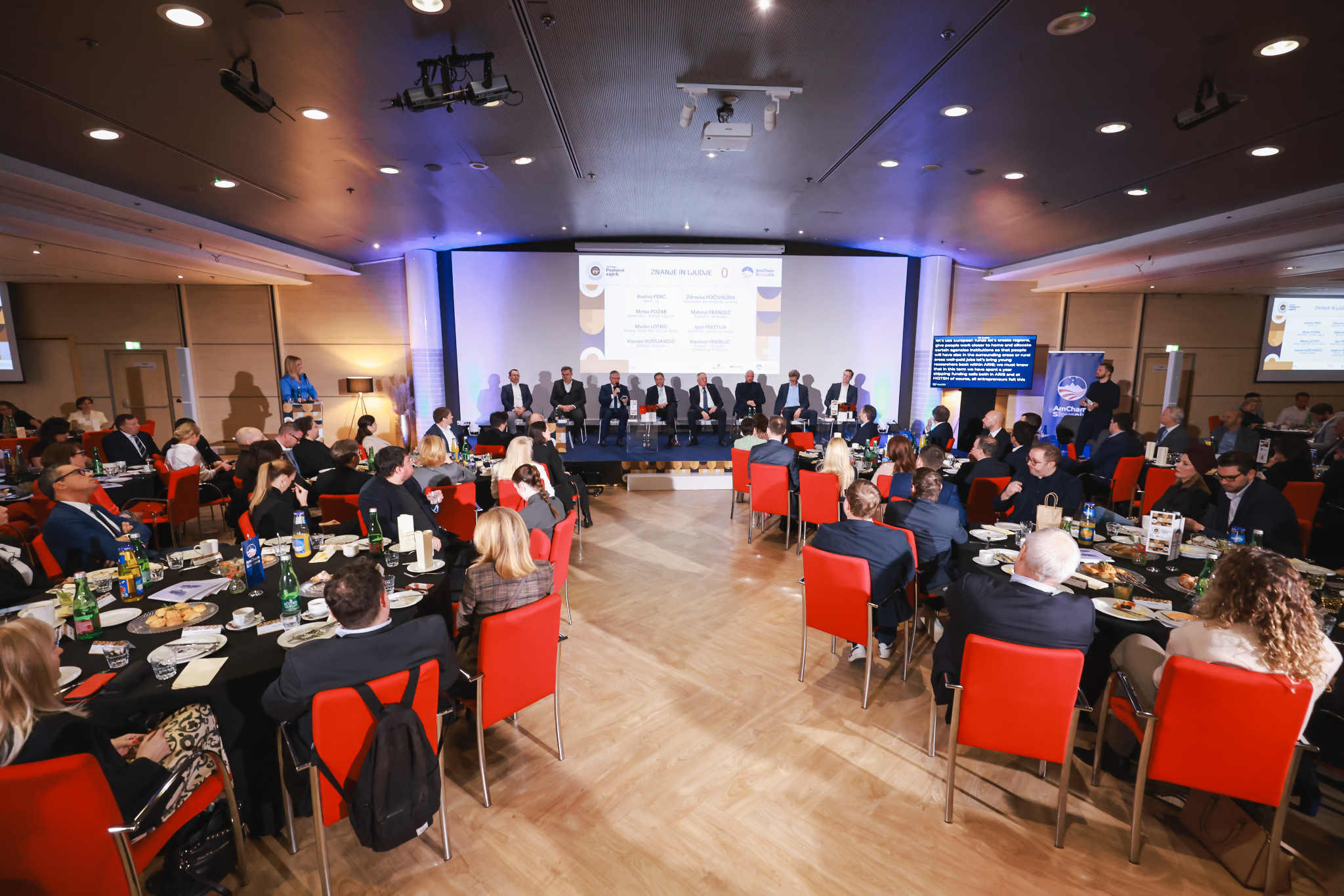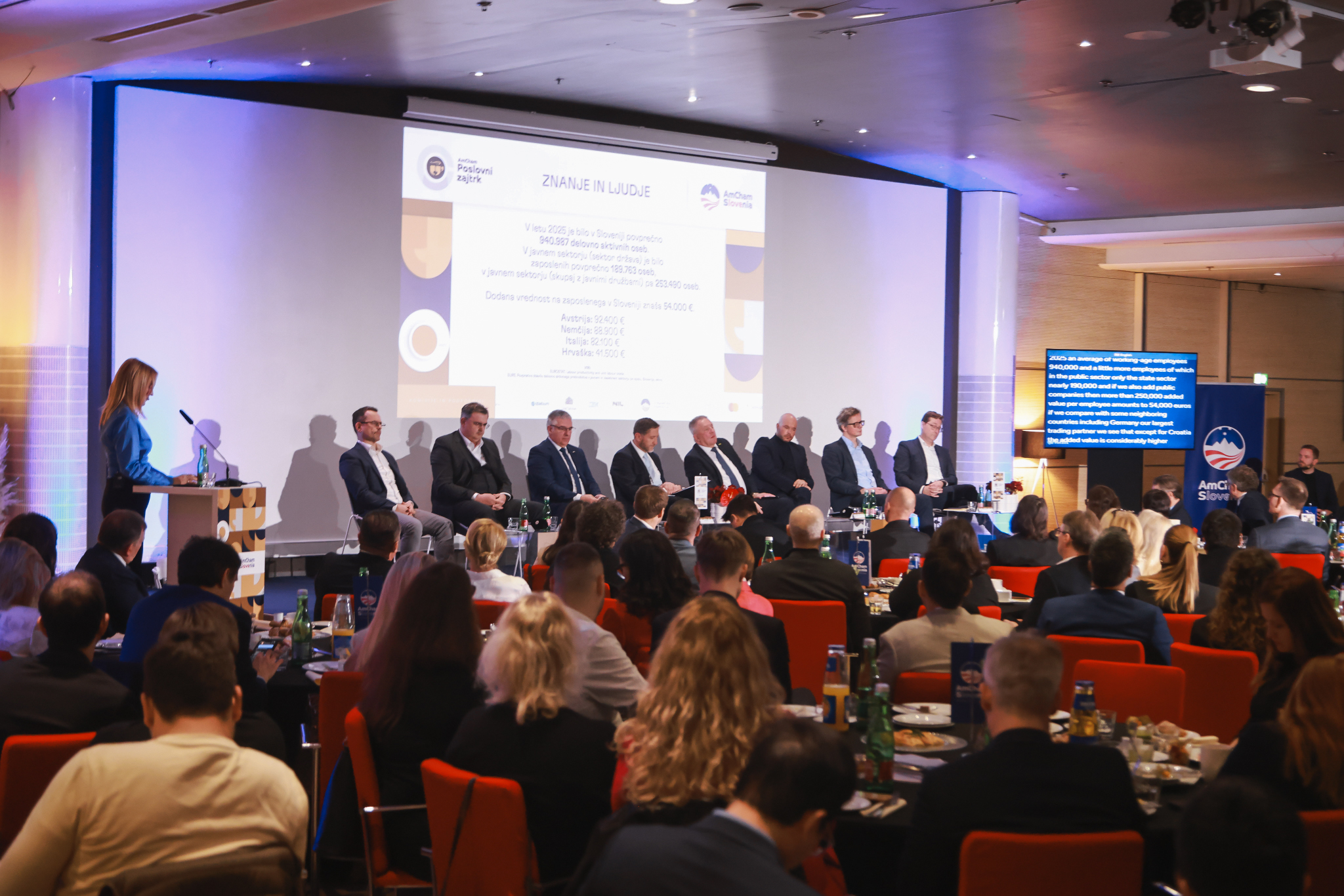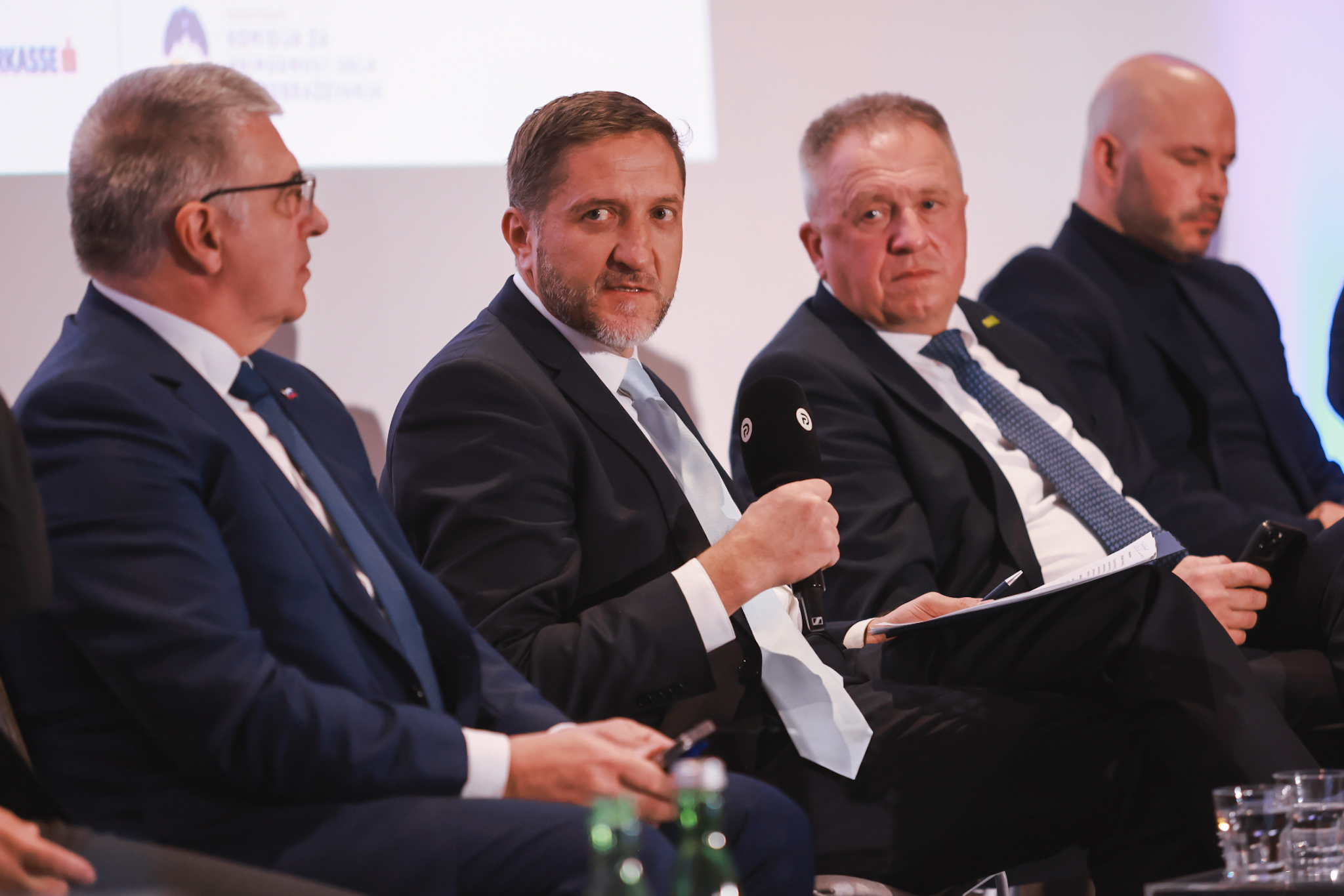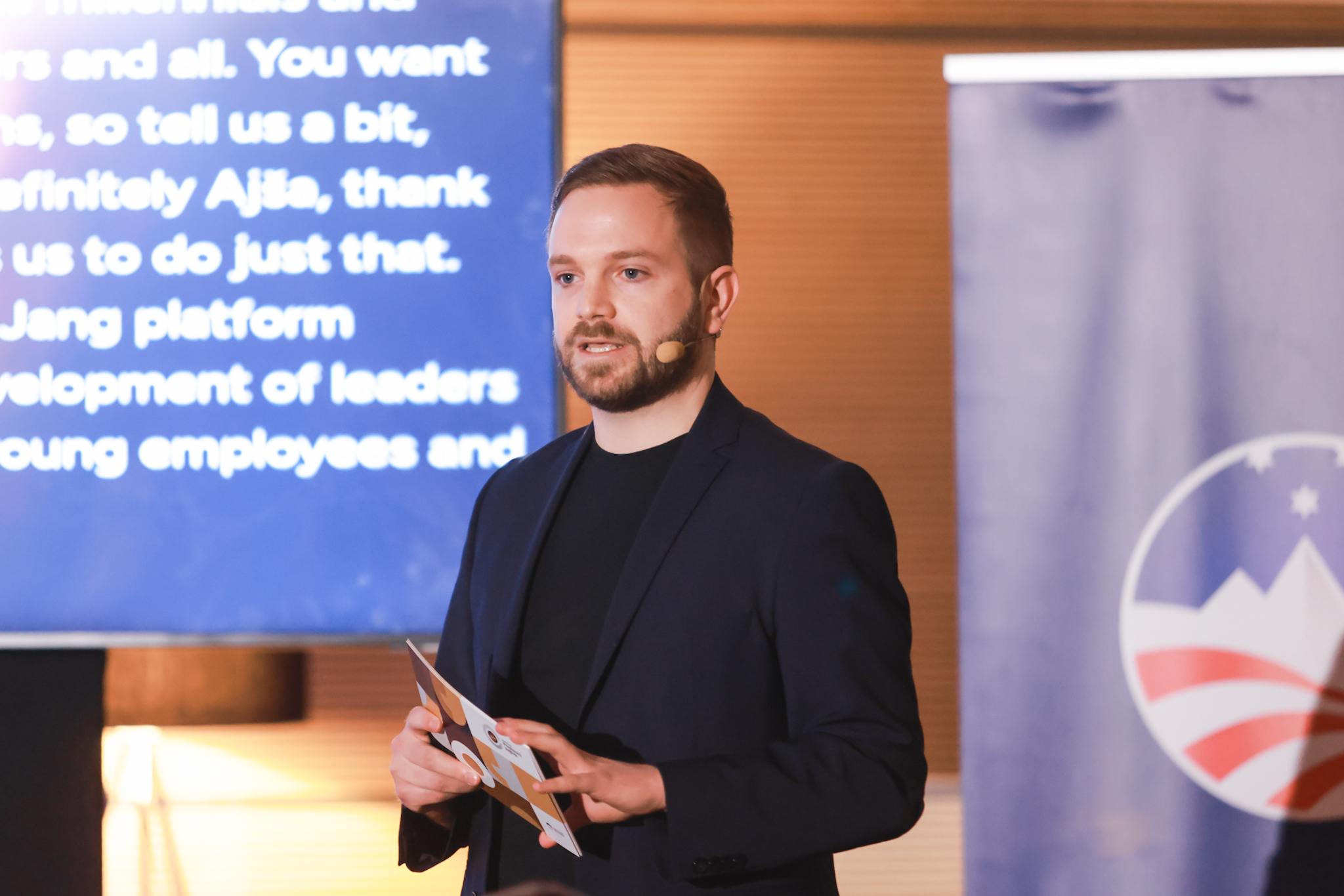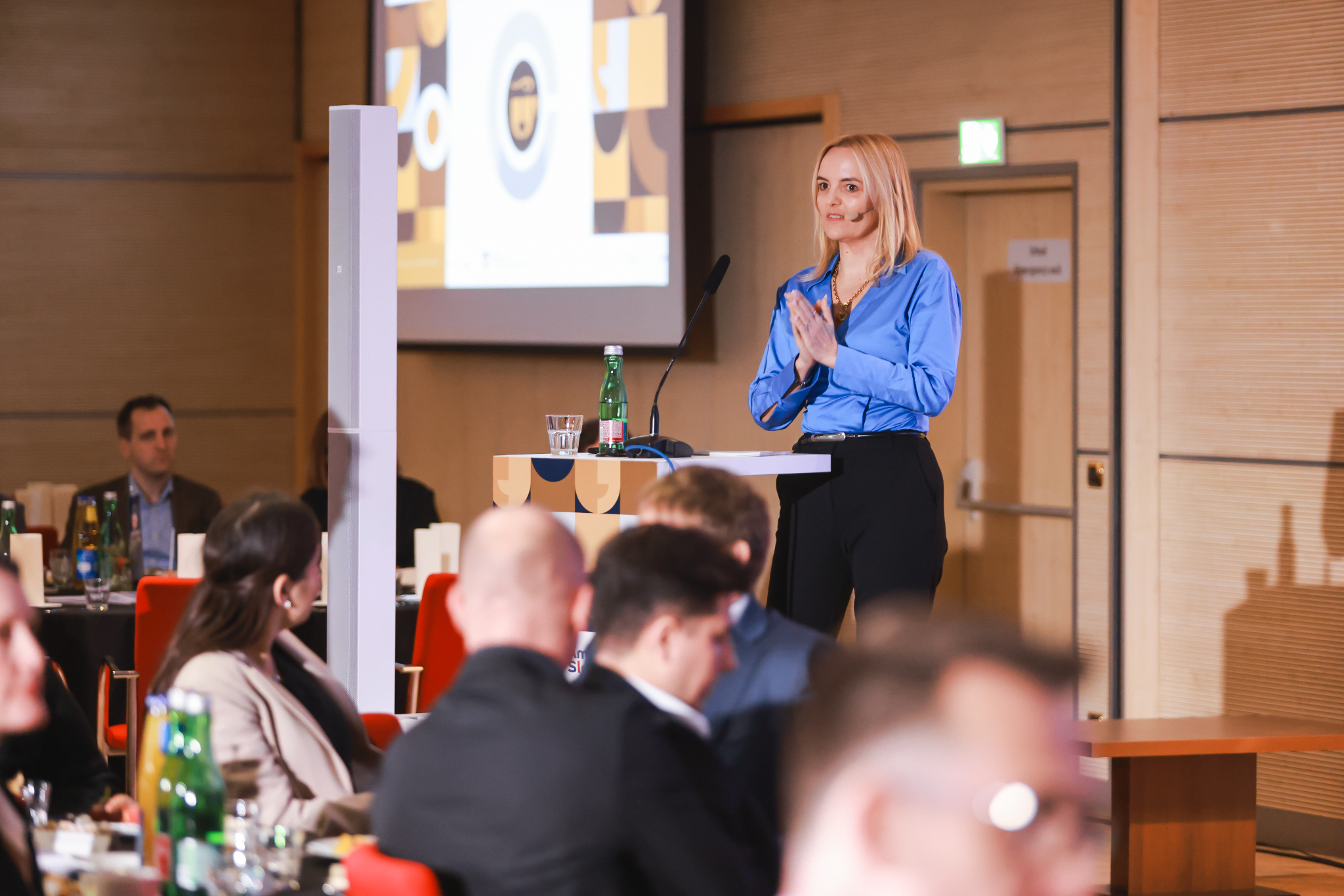


AmCham Business Breakfast
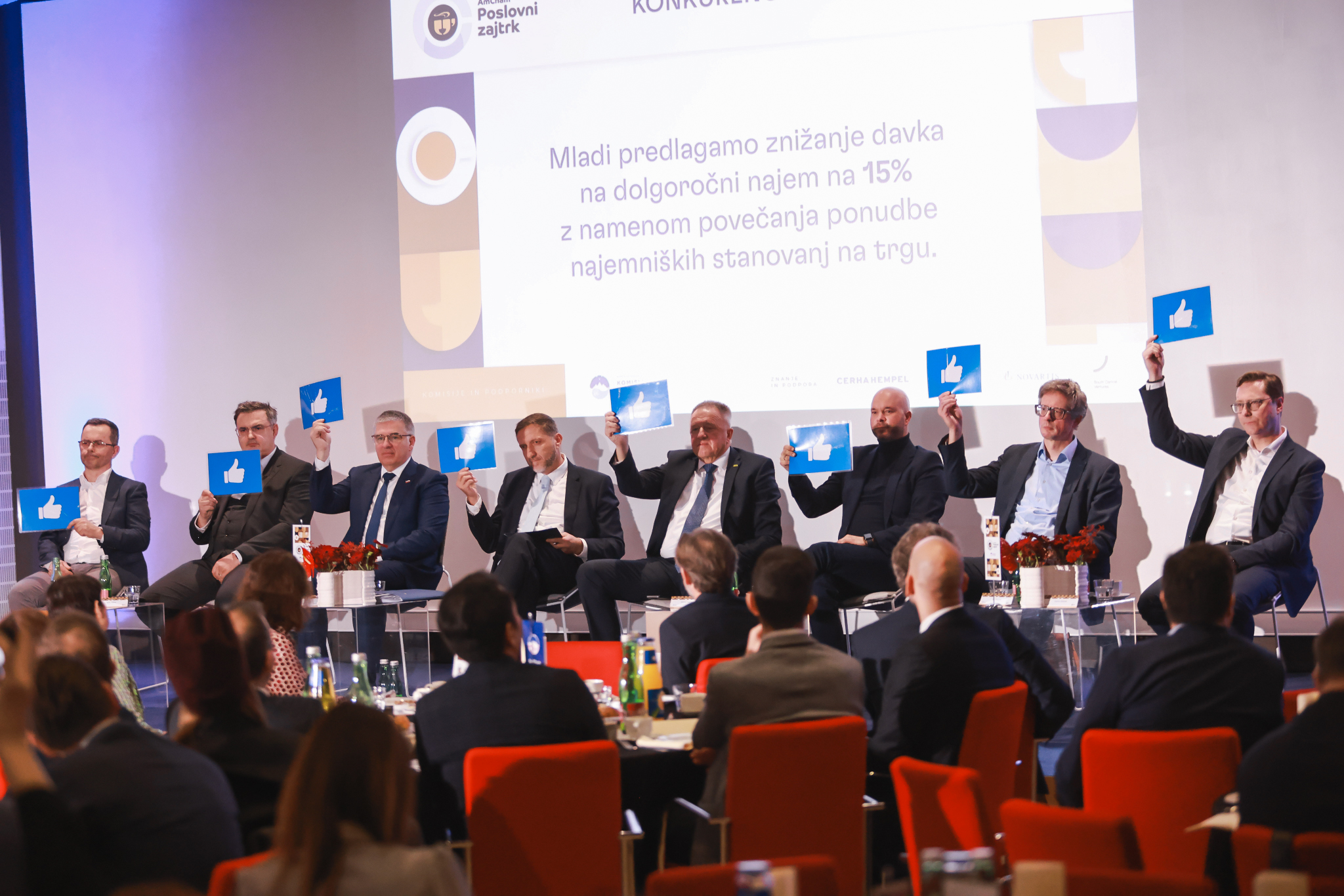
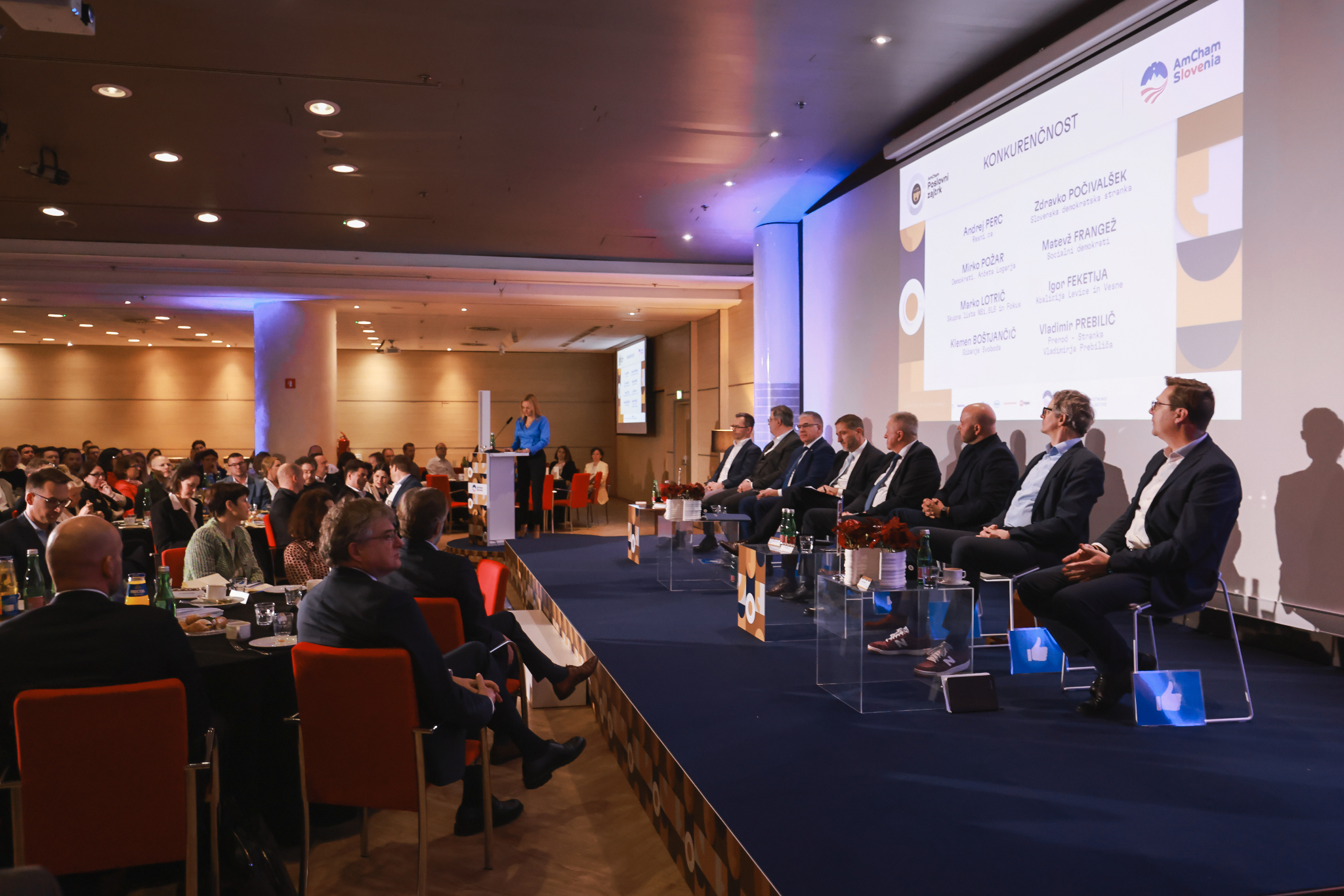
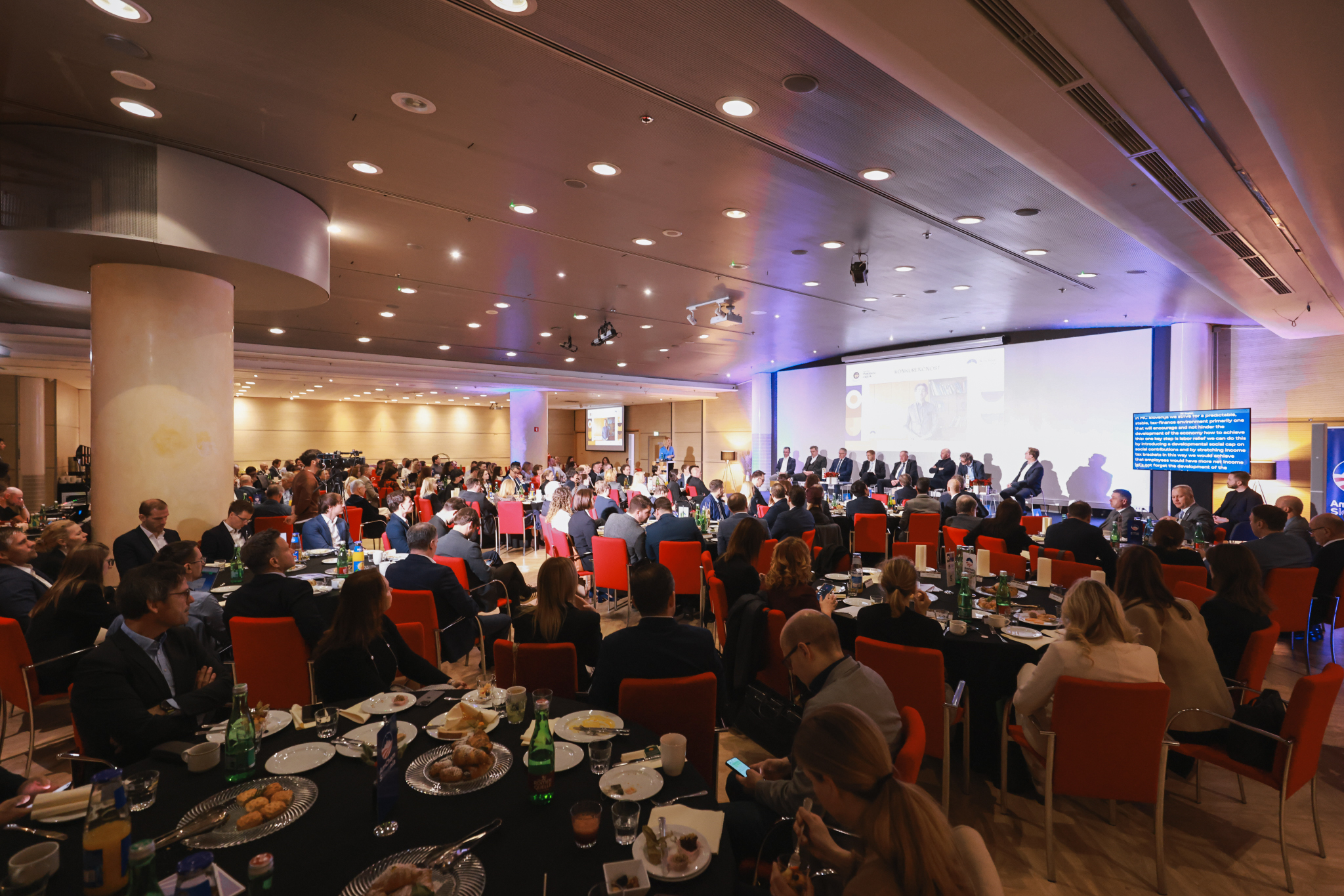
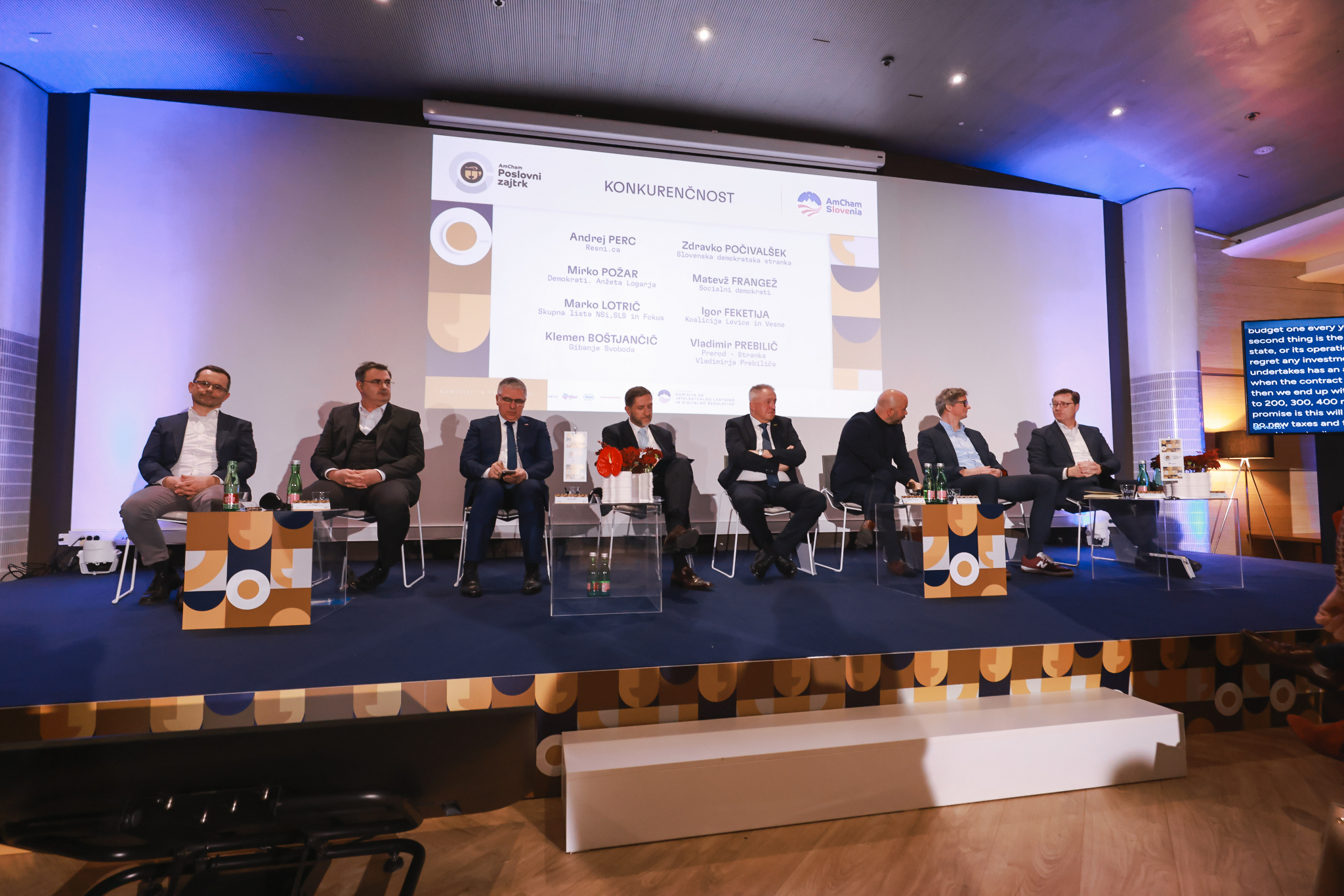
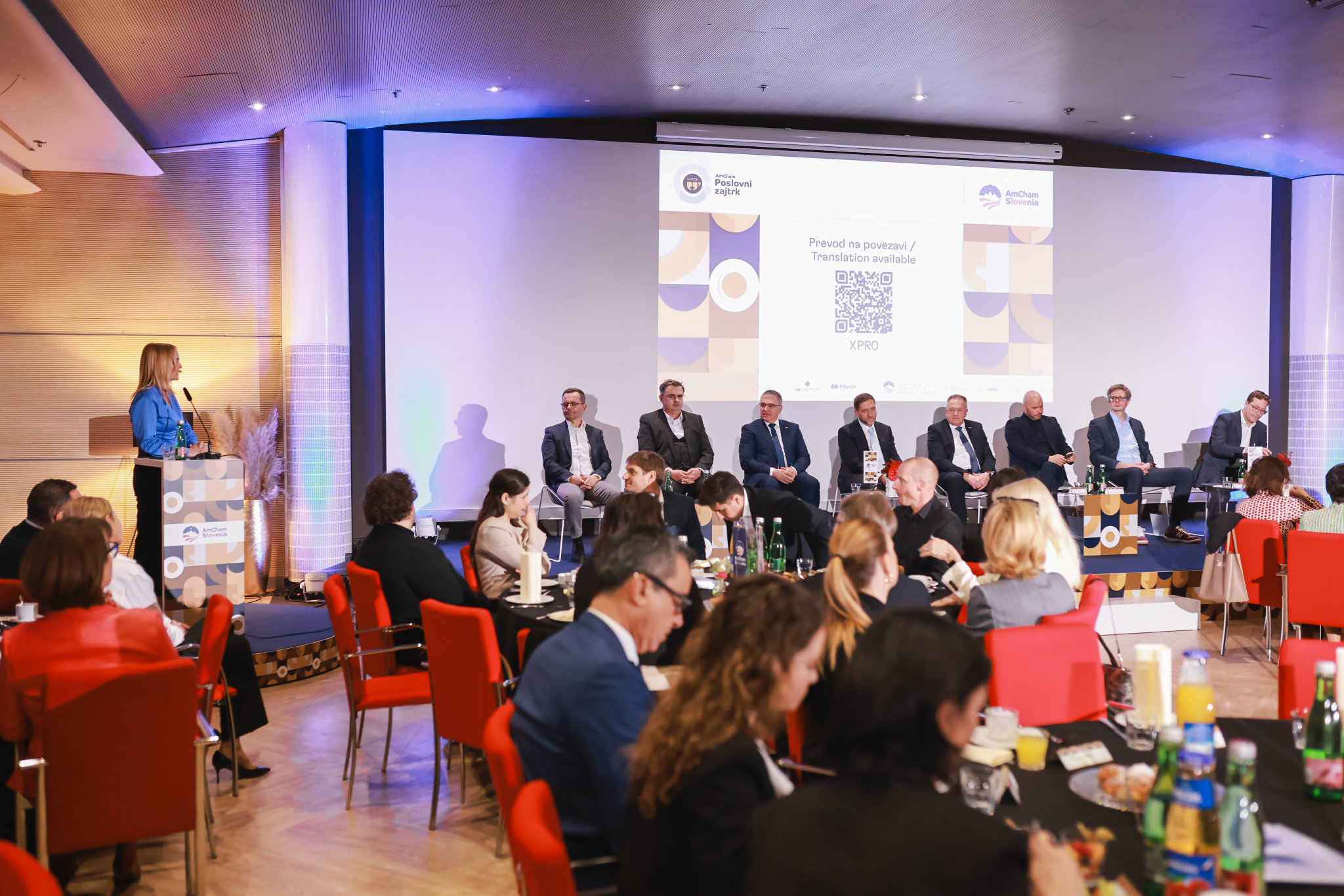
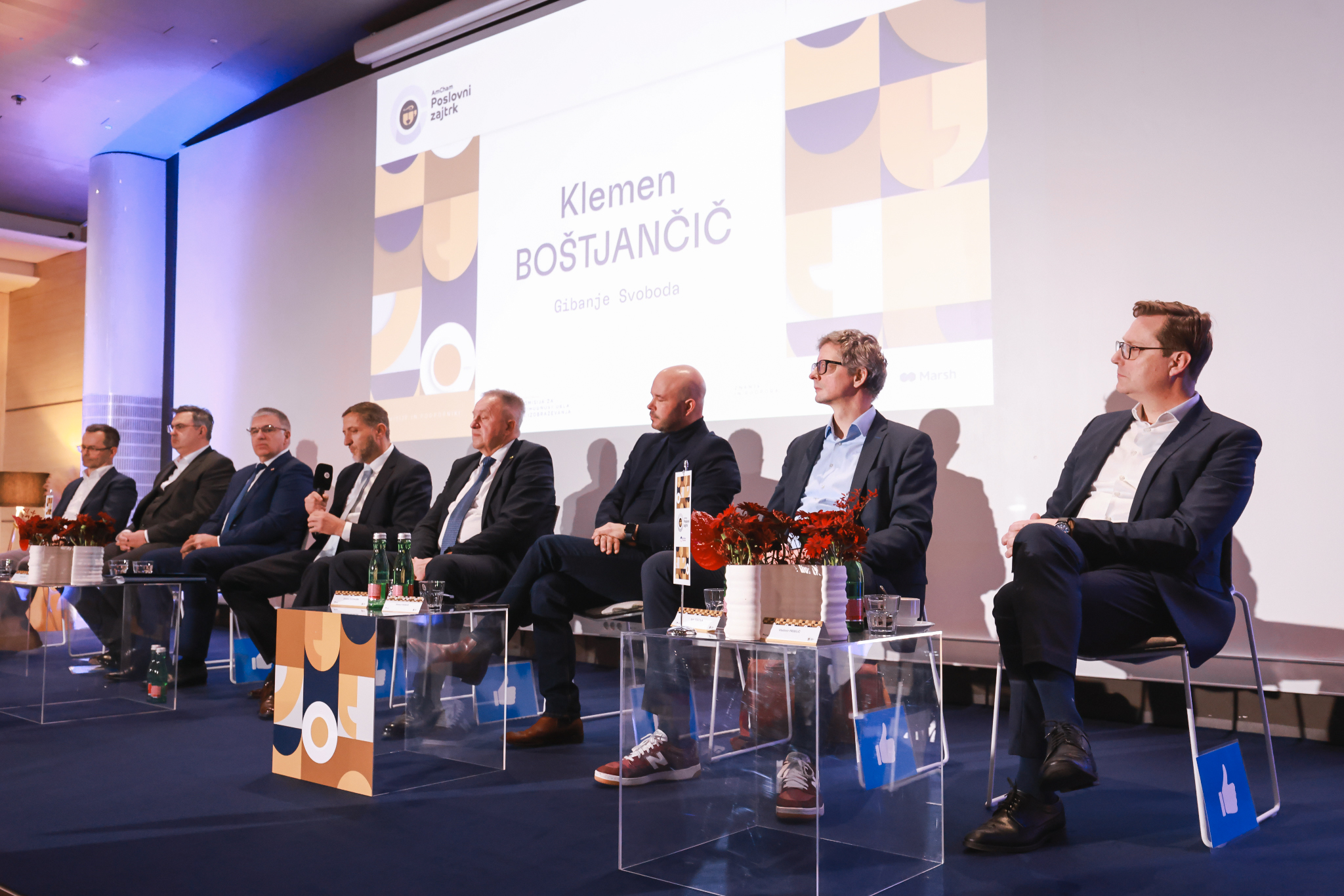
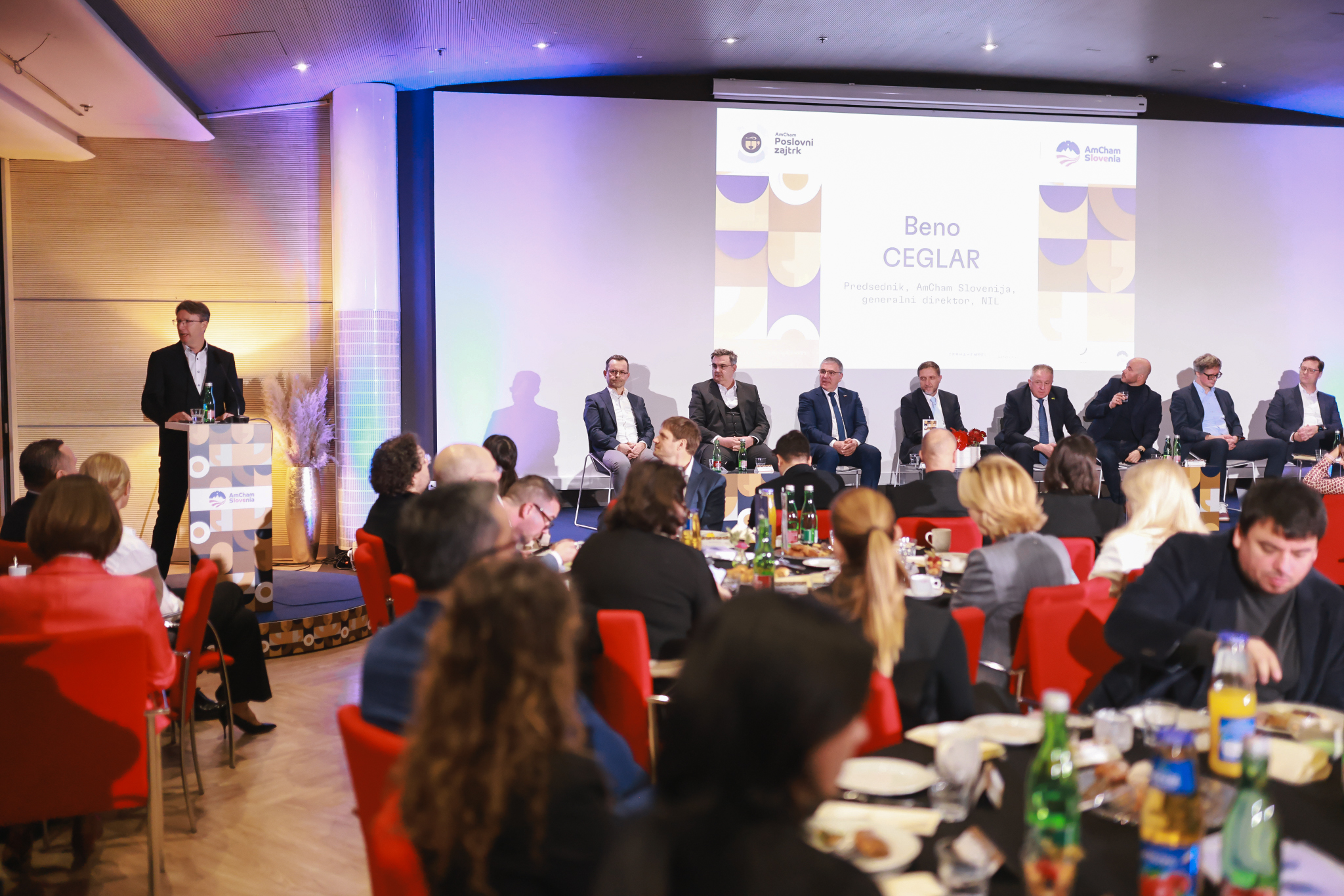
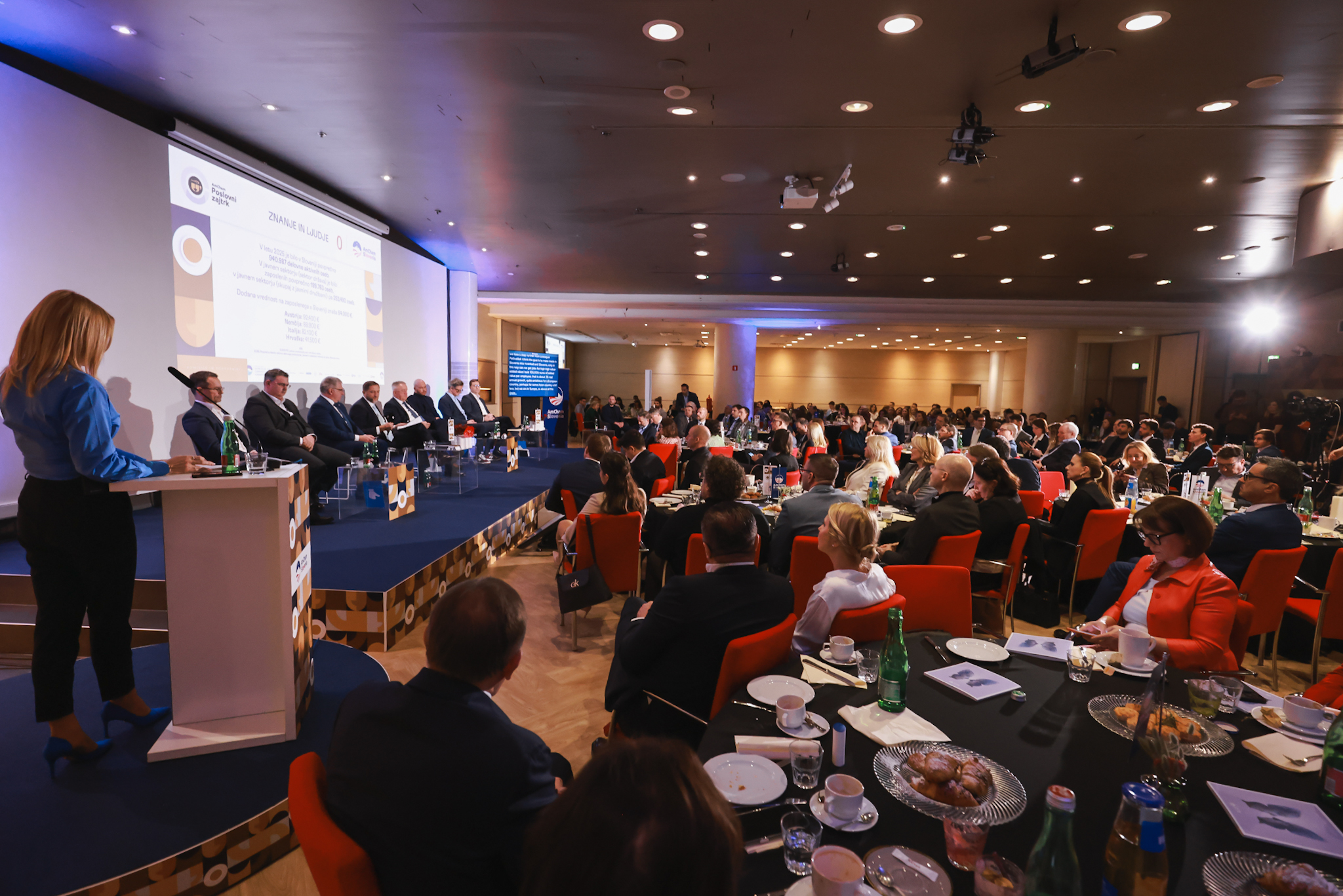
The business community is aware that without an open dialogue with decision-makers, it is not possible to shape a stable and development-oriented policy. A development-oriented economic policy must strengthen Slovenia’s competitiveness and raise the quality of life. Therefore, AmCham Advocacy, together with the AmCham Young Leaders Club Snowball Think Tank, hosted representatives of the political parties with the highest support in public opinion polls at today’s pre-election AmCham Business Breakfast. On this occasion, all participating political parties agreed on two concrete measures: the urgent introduction of the mandatory subject of digital language (previously communicated as computer and information science) in elementary and high schools and a 15 percent reduction of the tax on long-term rentals with the aim of increasing the supply of rental apartments.
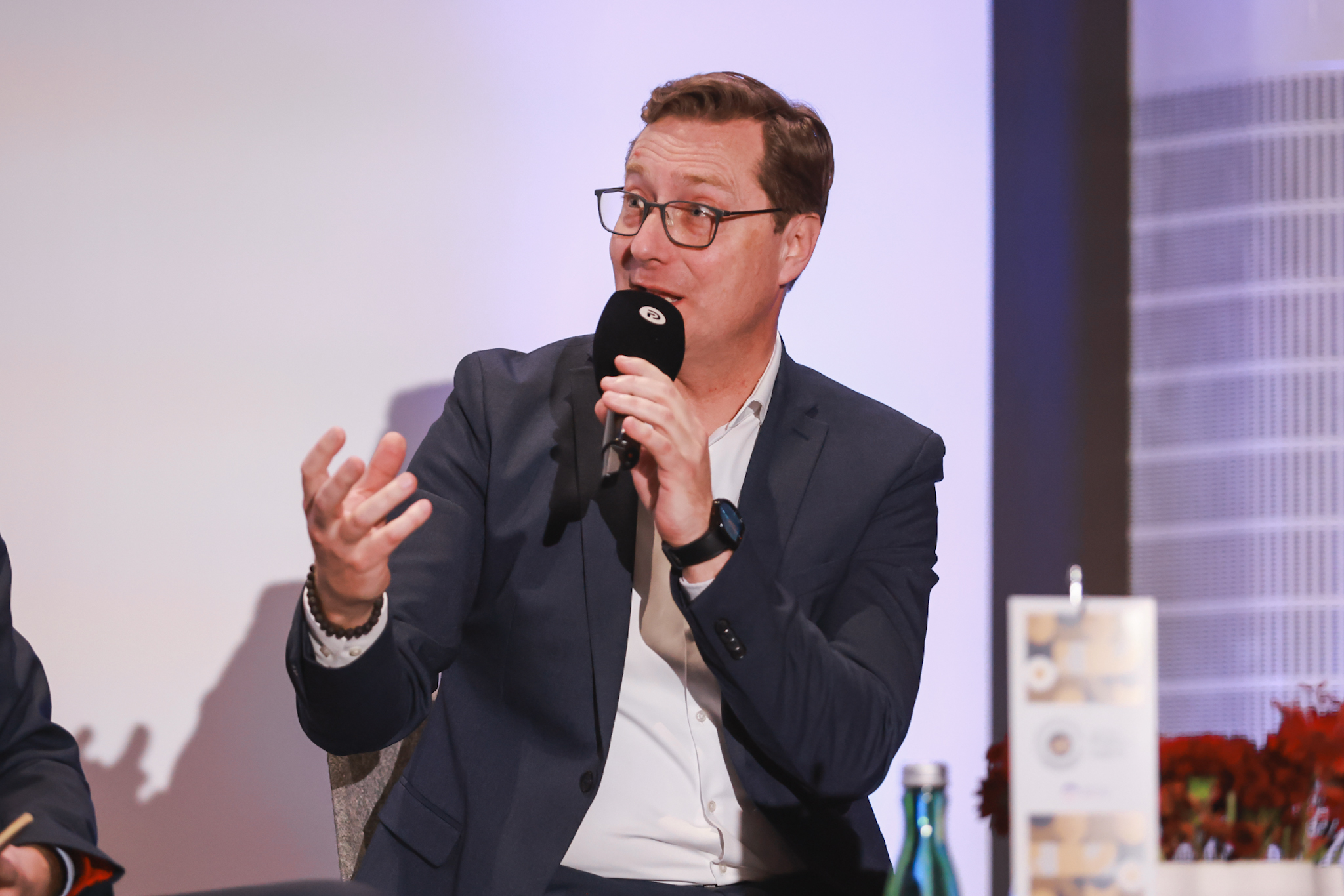
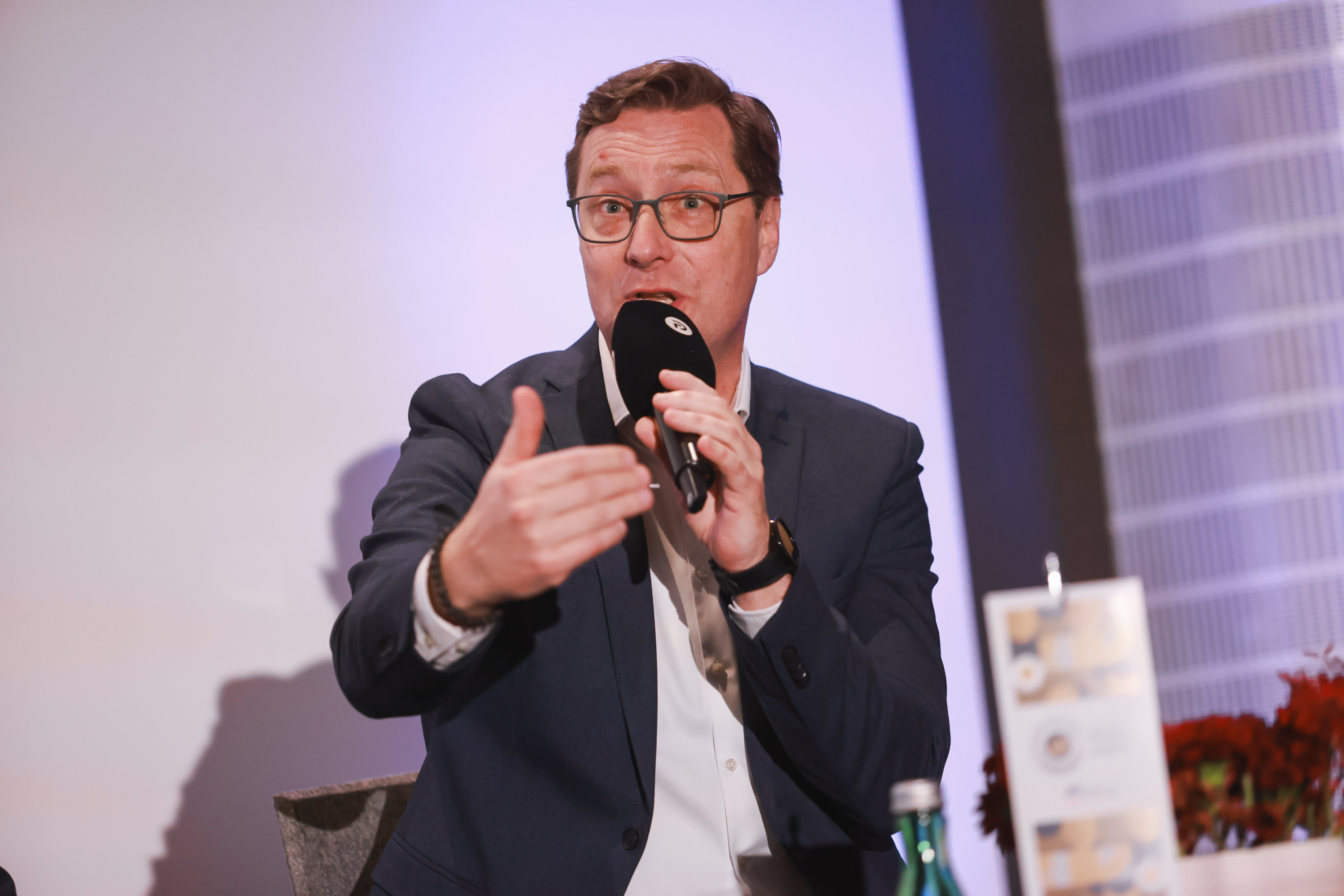
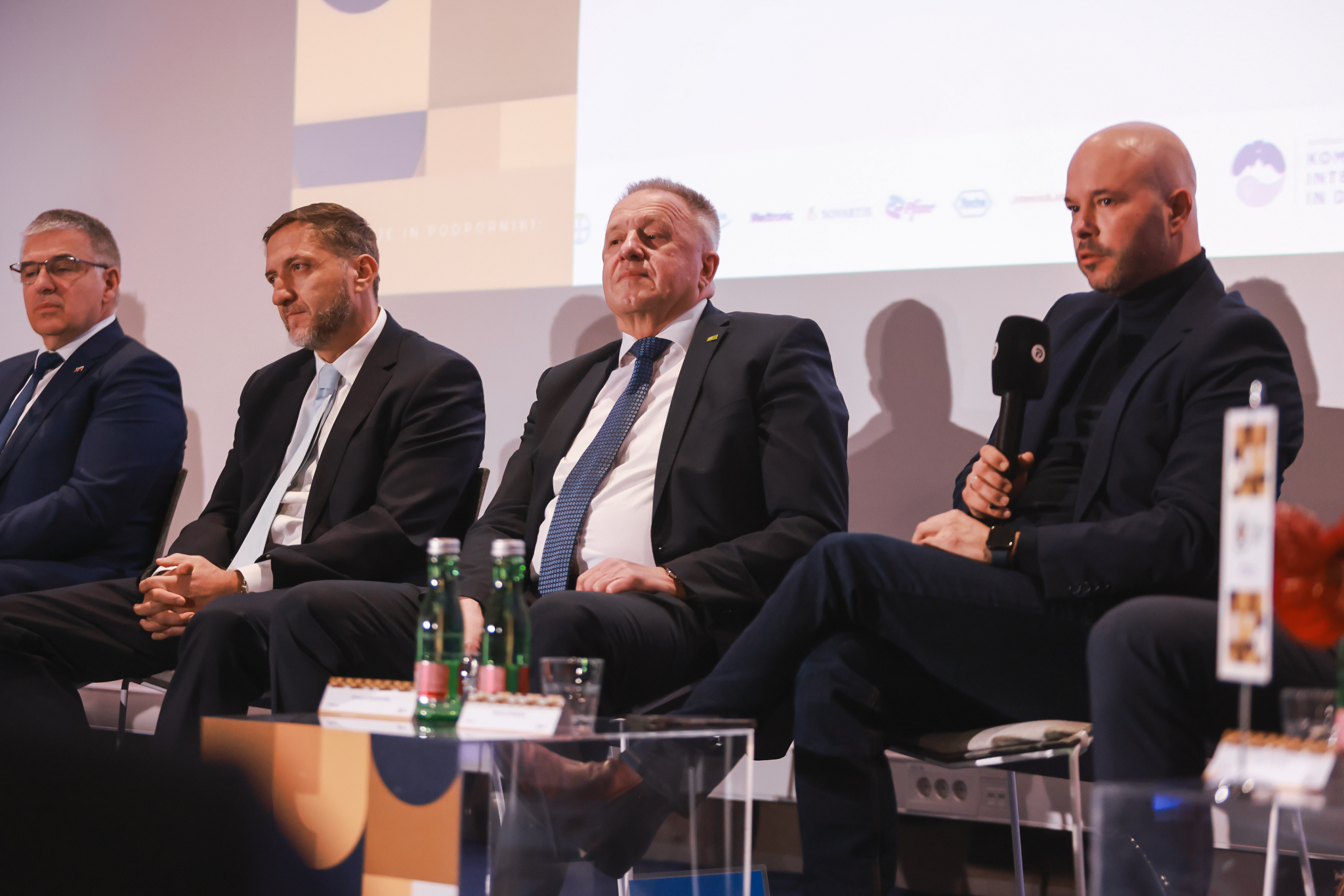
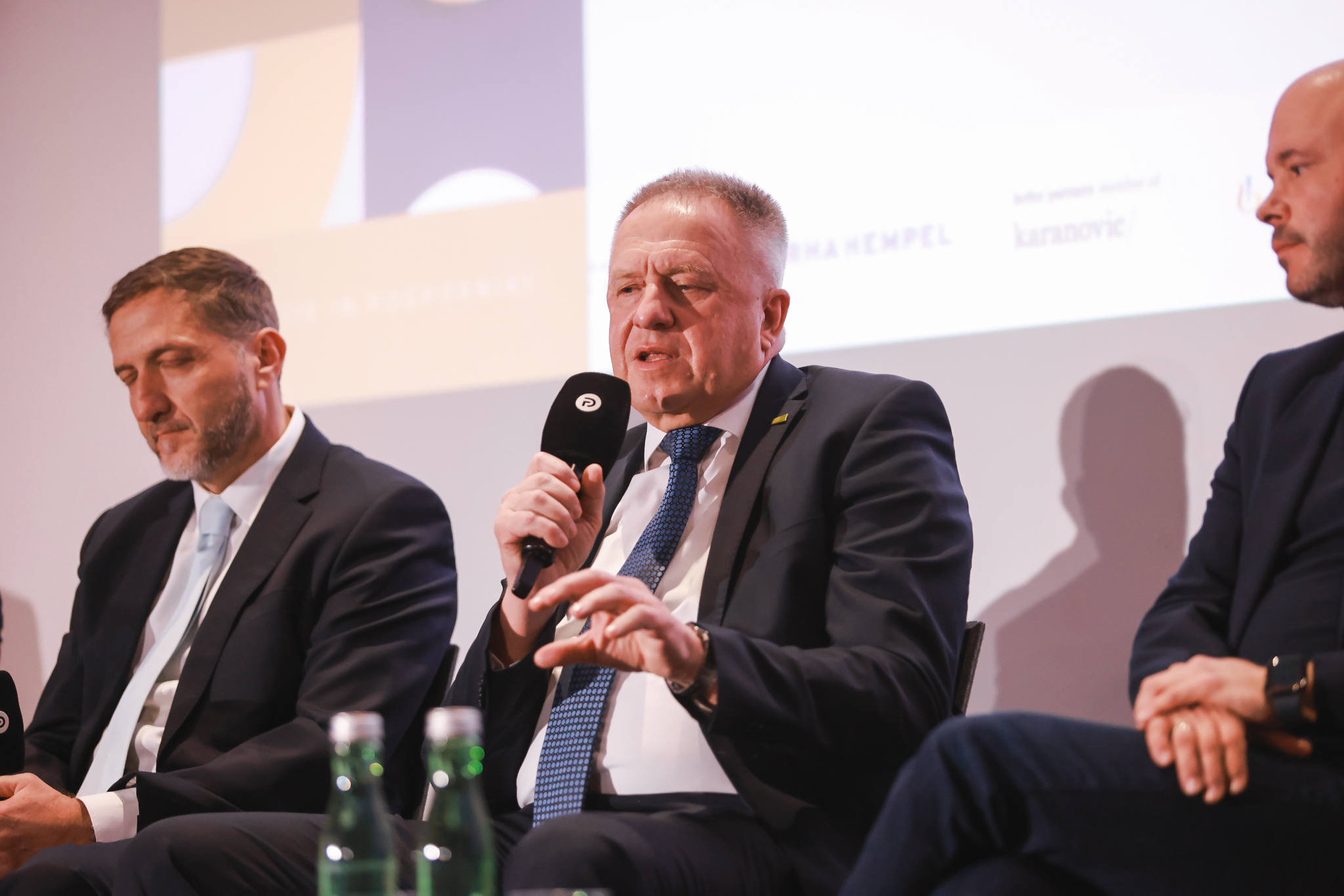
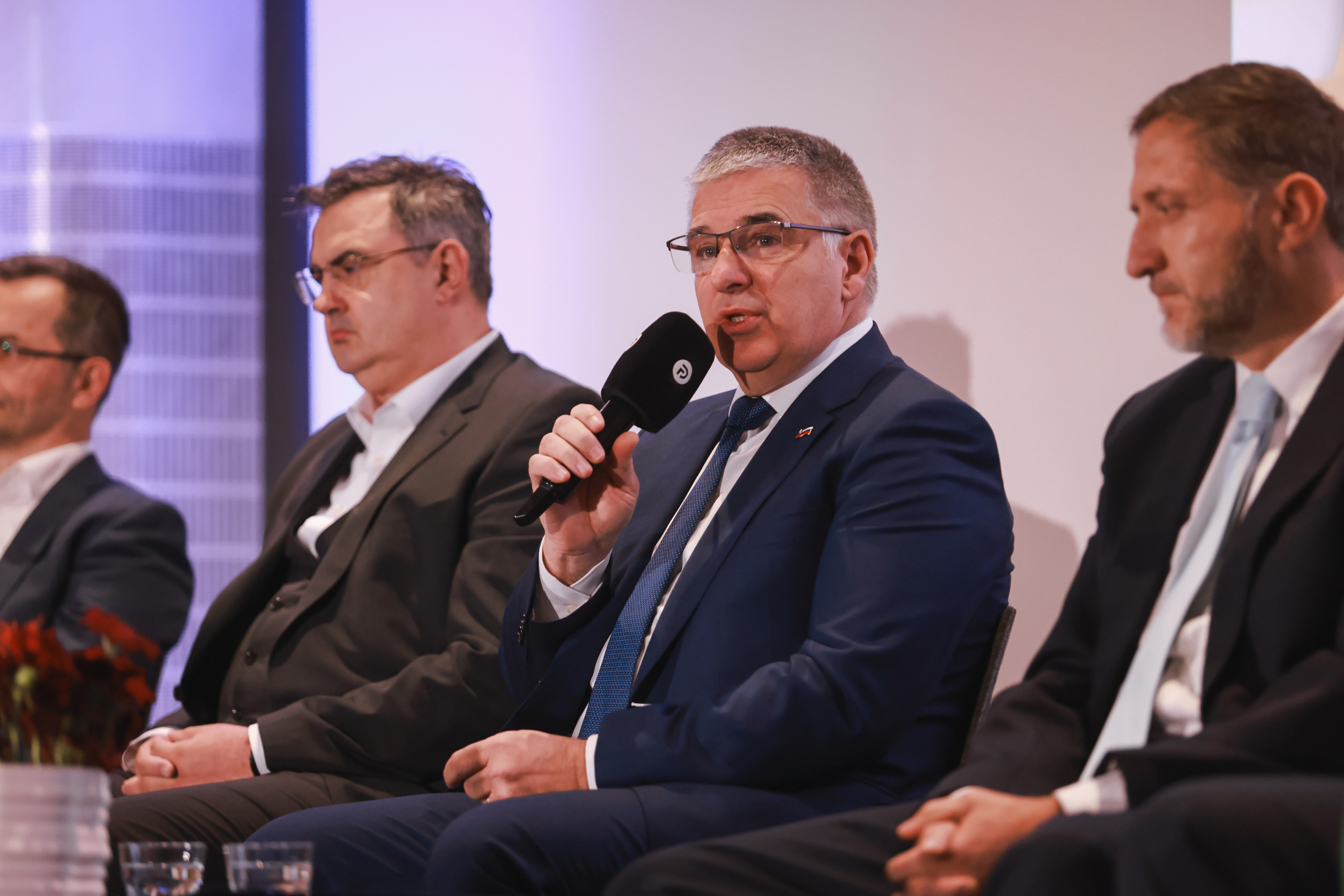
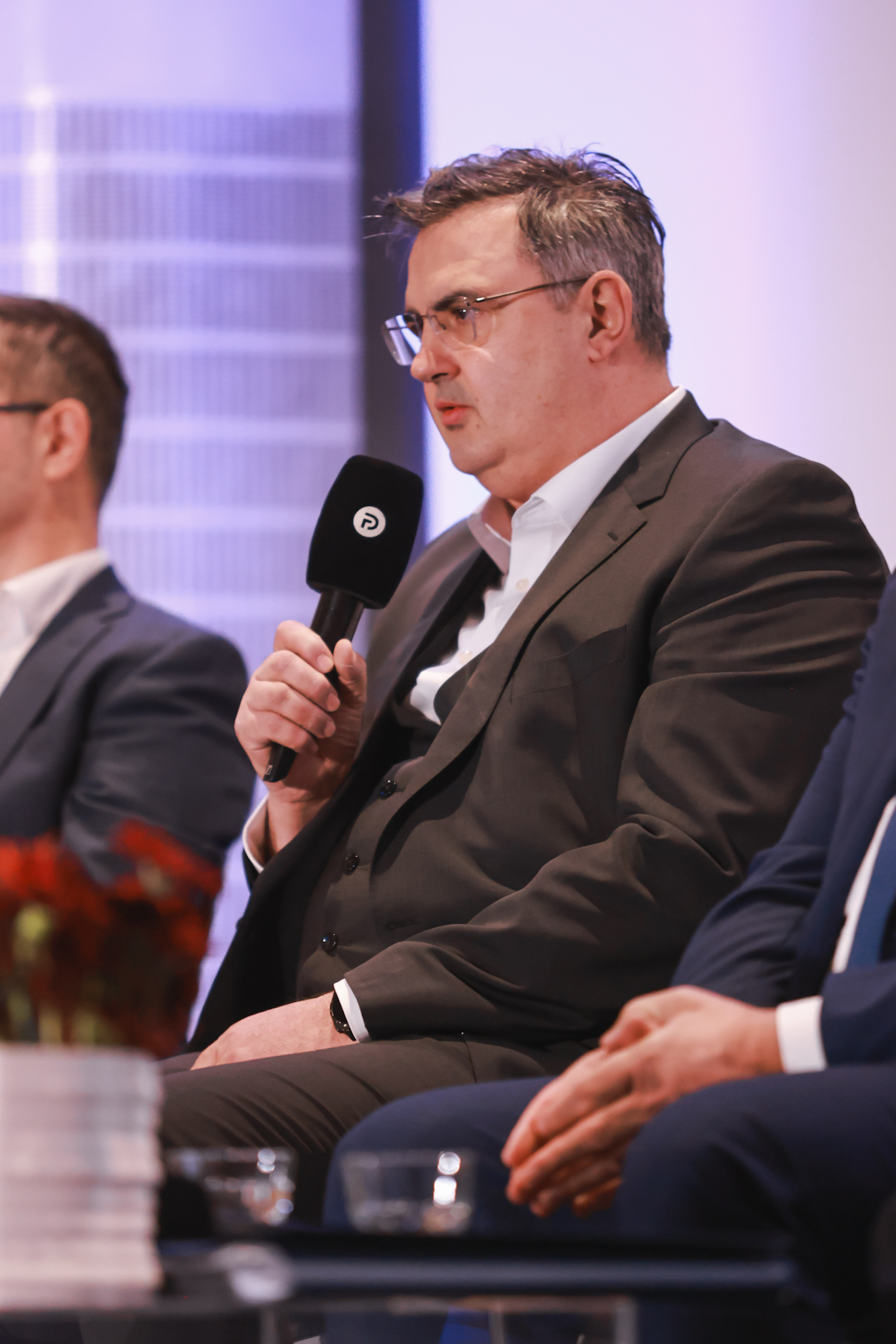
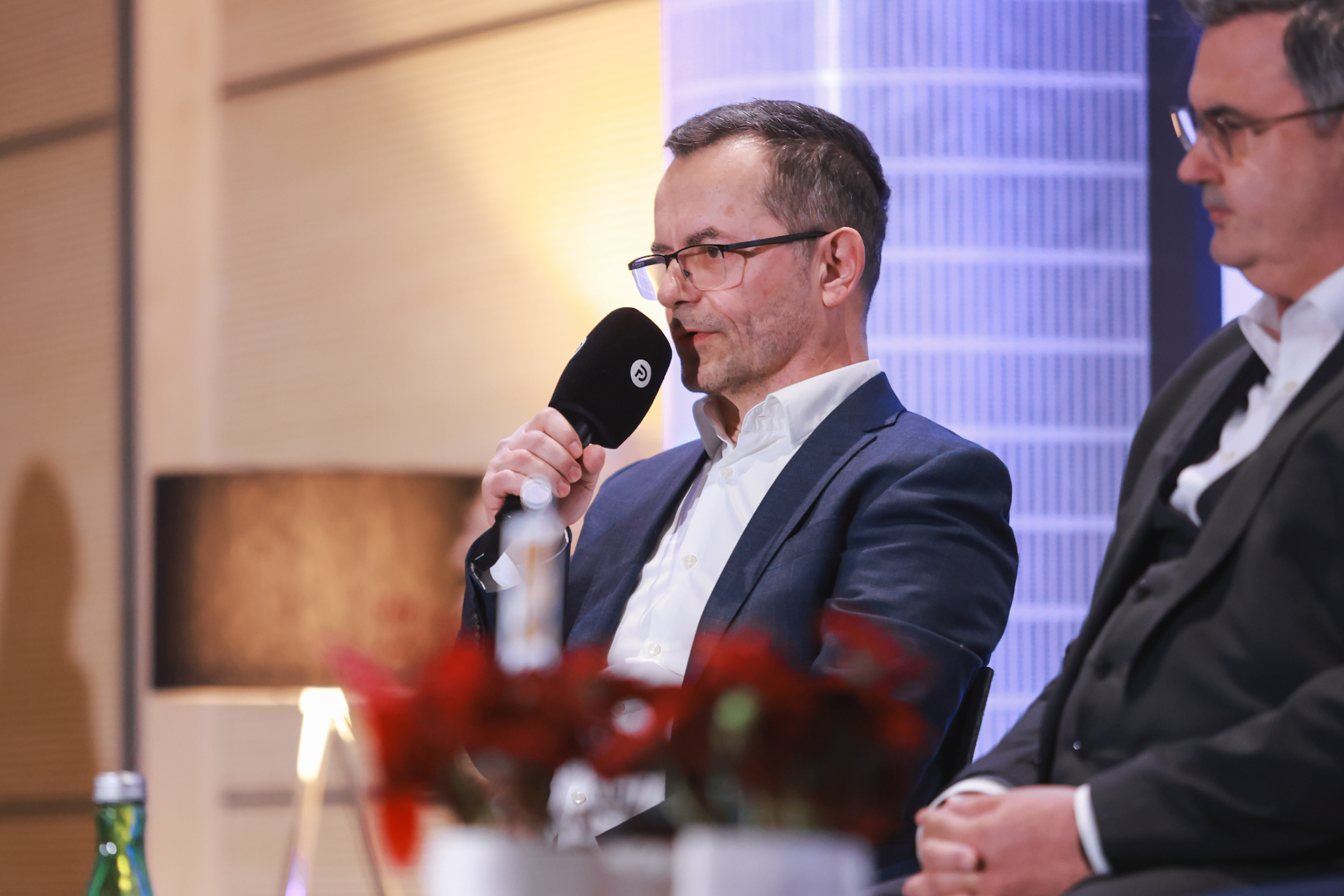
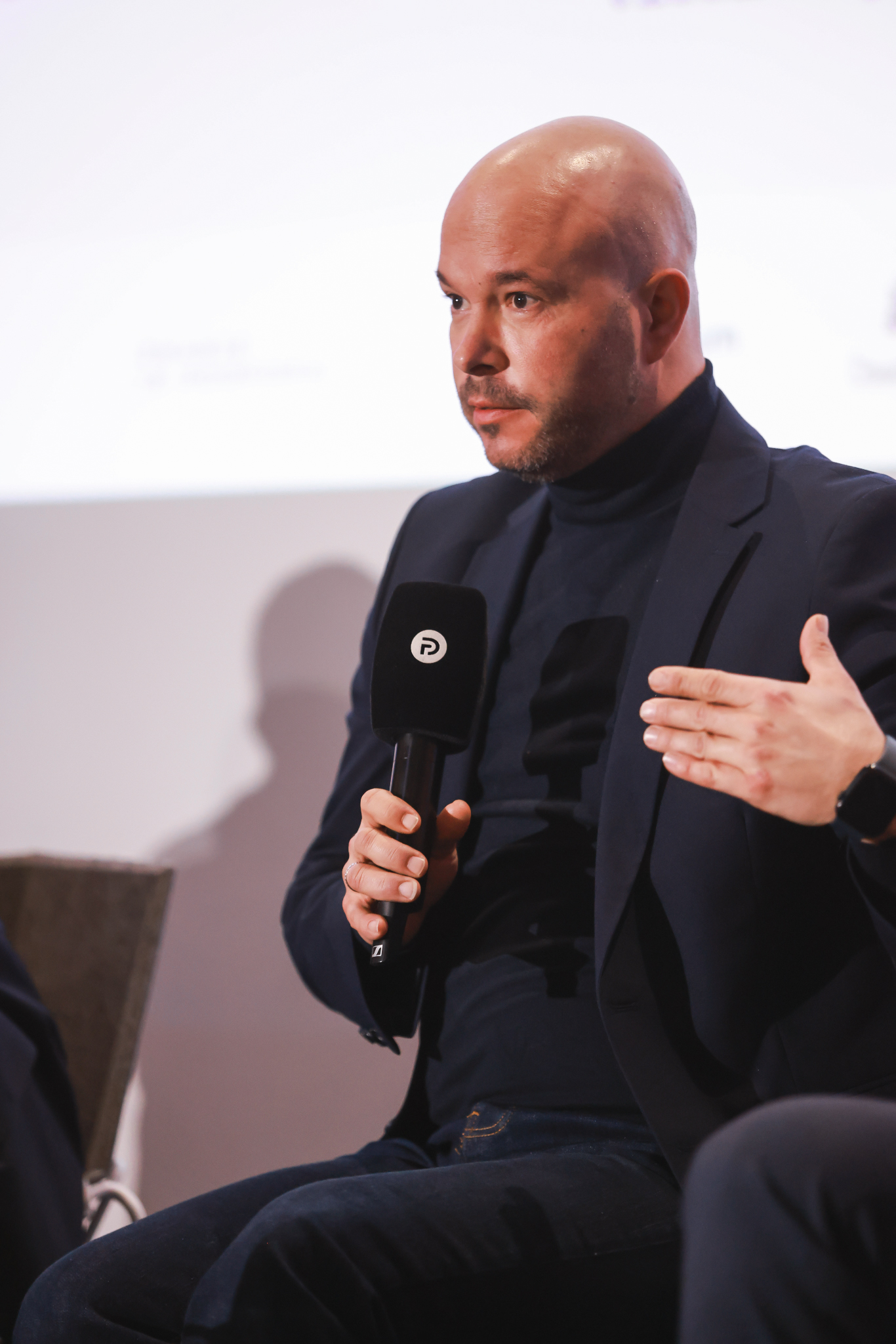
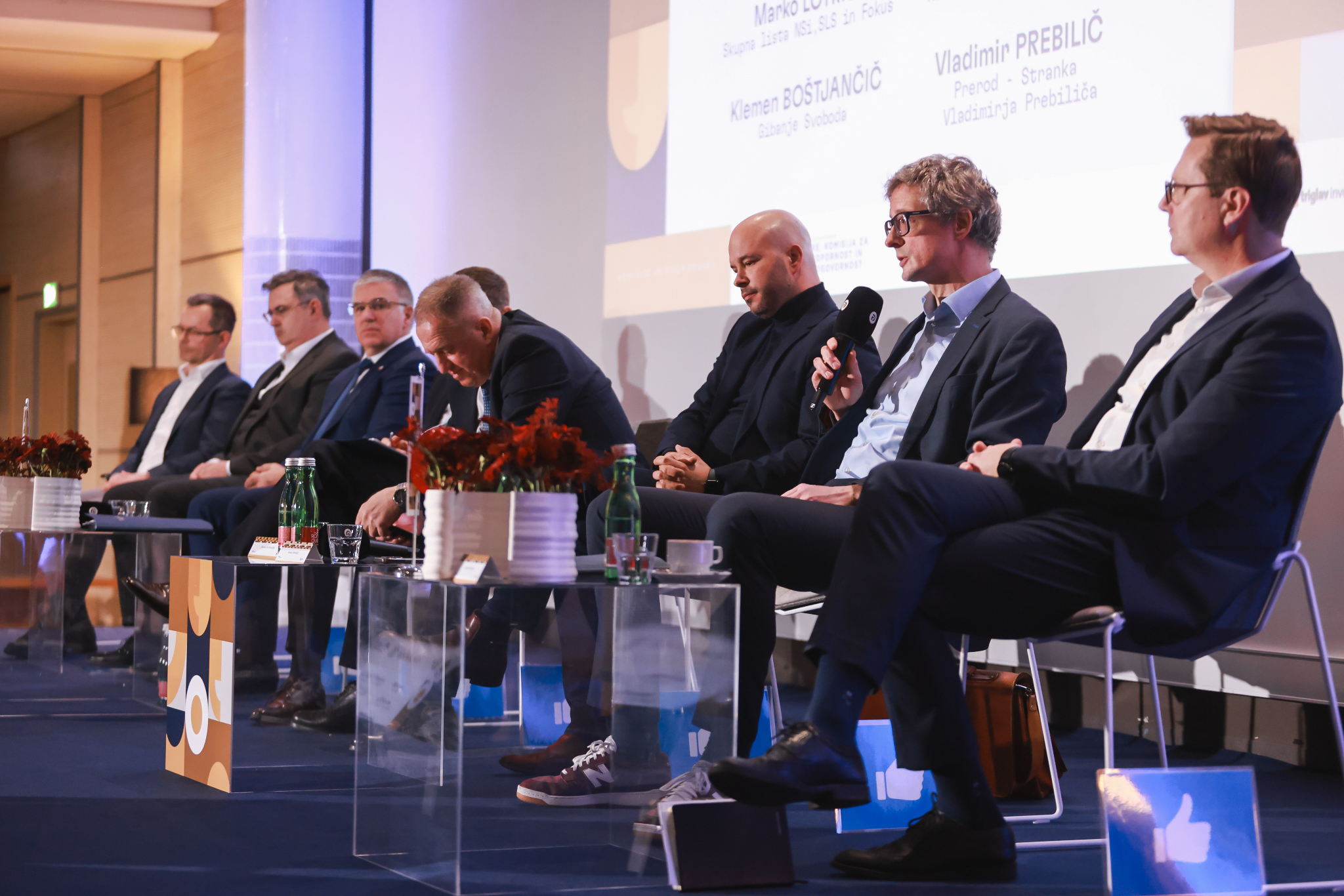
The discussion was attended by: Demokrati Anžeta Logarja (Mirko Požar); Gibanje SVOBODA! (Klemen Boštjančič); koalicija Levice in Vesne (Igor Feketija); NSi, SLS in Fokus (Marko Lotrič); Prerod stranka Vladimirja Prebiliča (dr. Vladimir Prebilič); Resni.ca (Andrej Perc); SDS (Zdravko Počivalšek); SD (Matevž Frangež).
The discussion was based on the recommendations and positions of AmCham Advocacy – more than 380 experts from seven AmCham committees.
INTERNATIONAL COMPETITIVENESS
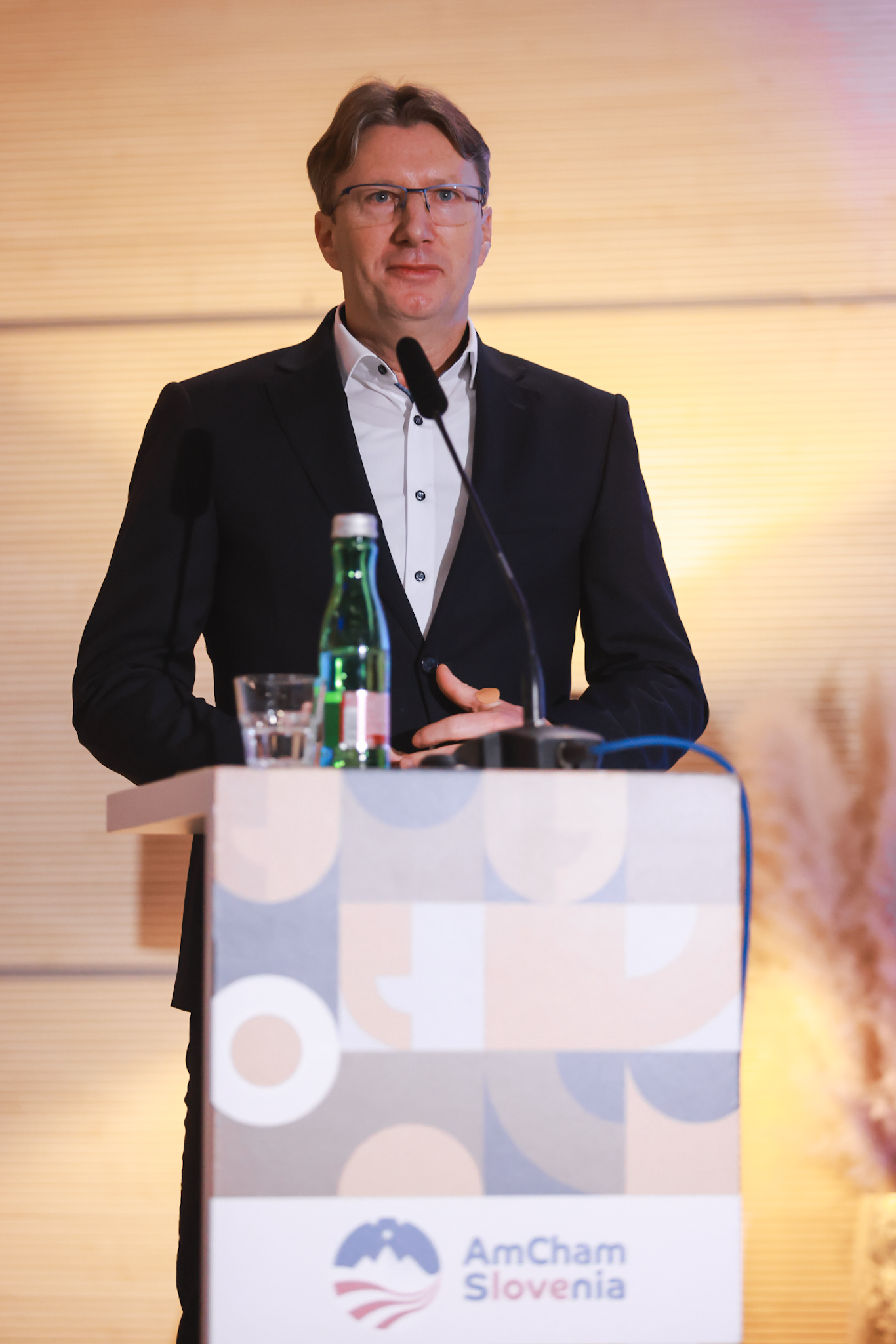
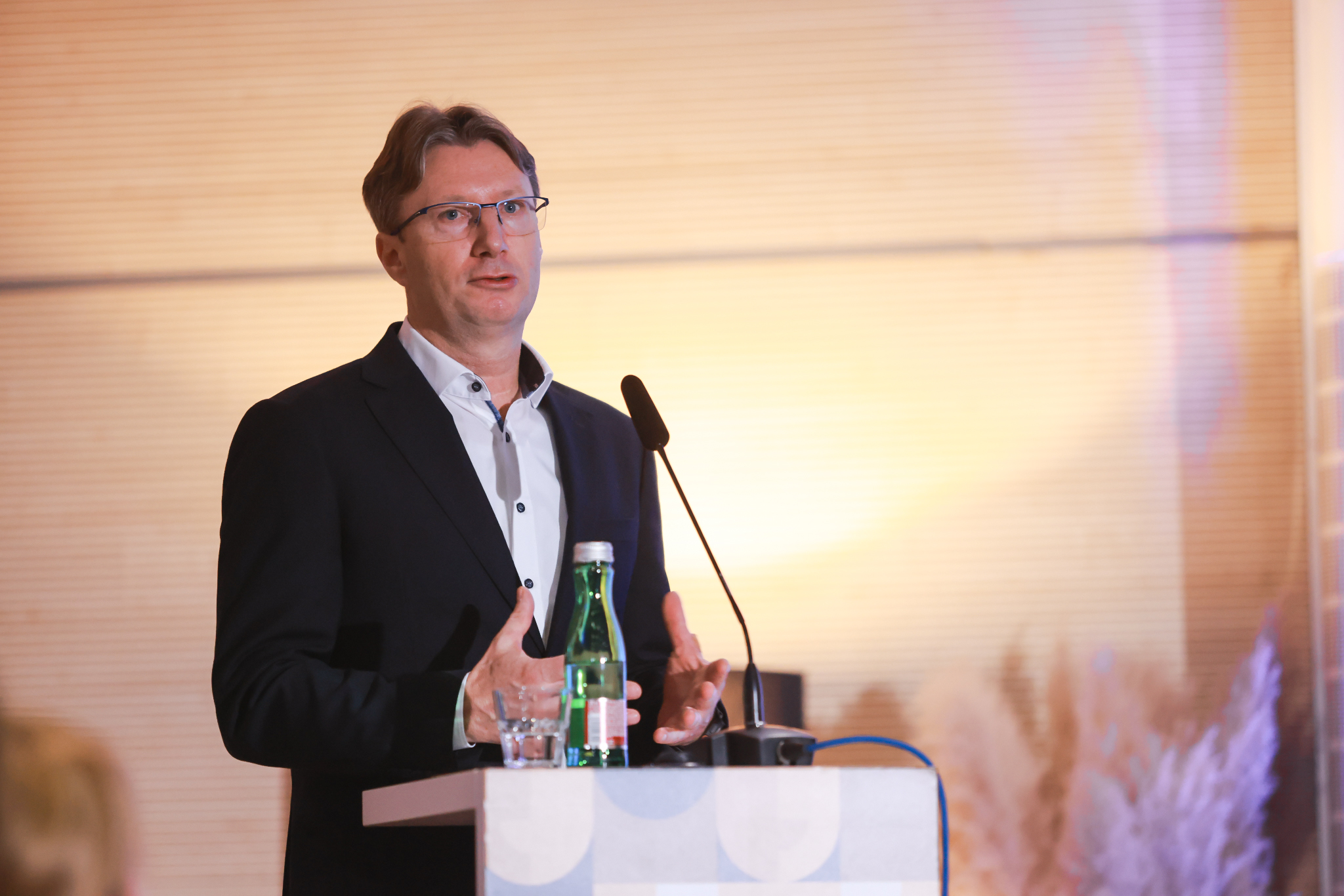
At AmCham Slovenia, we have set ambition as one of our key values for 2026. As Beno Ceglar, President of AmCham Slovenia, noted in his opening remarks: “AmCham Slovenia is an ambitious community. We work for the common good – to increase welfare and ensure a better quality of life. A strong economy is the foundation of this goal. When companies grow, they create value, security, knowledge, and creativity. And through this growth, we evolve together as a society.”
In an era of geopolitical tensions, technological breakthroughs, and increasingly complex regulatory frameworks, it is clear that a stable and predictable business environment is essential for survival and growth. According to the IMD World Competitiveness Ranking, Slovenia currently ranks 46th – significantly behind Austria (26th) and trailing Italy (43rd). This clearly shows that there is significant room for improvement.
Slovenia’s geostrategetic position allows it to be a top choice for investors, but only if we implement structural reforms, ensure a consistent rule of law, and maintain a predictable, investment-oriented tax policy. Aljoša Krdžić, Co-chair of the AmCham Investment Committee, shared the business community’s perspective on competitiveness and issued a call to action for political representatives: “The Investment Committee emphasizes that Slovenia needs a stable legislative environment and a reliable rule of law. We must simplify and accelerate administrative decision-making and commit to an ambitious, stable tax reform. Legislative changes must be thoughtful, coordinated with the business sector and other stakeholders, and free from frequent ad-hoc interventions driven by daily politics and populism.”
A major challenge remains the high tax burden on labor, which directly impacts our ability to attract investment and retain key talent. Slovenia has one of the highest tax wedges among OECD countries. At 100% of the average wage, the tax burden stands at 44.56% (OECD average: 34.92%), rising to 47.53% at 167% of the average wage (OECD average: 39.15%). This significantly undermines the competitiveness of high-value-added companies.
“We can reduce the burden on labor by introducing a development cap and expanding income tax brackets, ensuring that employees take home a higher net salary. Furthermore, we must develop the domestic capital market by strengthening pension funds; this would provide employees with additional retirement income while limiting the growth of public pension costs. We should encourage, rather than hinder, digital payments to help curb the shadow economy. Ultimately, the business sector needs clarity on taxes and contributions at least three years in advance, while employees deserve to keep a larger share of their gross earnings,” added Žiga Vižintin, Co-chair of the AmCham Finance Committee.
KNOWLEDGE AND PEOPLE
Slovenia must urgently address its demographic challenges by retaining domestic talent and attracting international experts. “The Slovenian population is aging, and forecasts show a declining working-age population. This is why we need concrete measures to attract and retain talent,” warned dr. Vesna Miloševič Zupančič, Co-chair of the AmCham Future of Work and Education Committee. To boost productivity, we need more training focused on future competencies, digital literacy, and the ethical use of artificial intelligence. Taking the lead on this issue, members of the AmCham YOUng Leaders Club within the Snowball think-tank have developed four concrete measures to improve the position of young people and actively help shape a country of opportunity.
However, the talent issue is not just about the number of people, but about the value they create. In 2025, Slovenia had an average of 940,987 labor-active persons. The added value per employee stands at €54,000. For comparison: in Austria, it is €92,400; in Germany, €88,900; and in Italy, €82,100.
“In a highly export-oriented and open economy like Slovenia, long-term prosperity directly depends on the added value we can create in global markets. Higher added value brings quality jobs, stimulating pay, stable public finances, and investment in development. Companies, with their vision and development plans, must become a vital bridge between educational and research institutions and the needs of the market and society. This is why we emphasize the urgent need to strengthen cooperation between research institutions and the business sector. Ultimately, for Slovenia’s breakthrough development, investing in AI is crucial; Slovenia must remain among the leading countries in both the European and global markets,” added Jaka Repanšek, Co-chair of the AmCham Intellectual Property and Digital Regulation Committee.
The business community posed a clear question to political representatives: what is their target for added value per employee and how do they intend to achieve it? Several participants explicitly set a goal of €100,000 added value per employee.
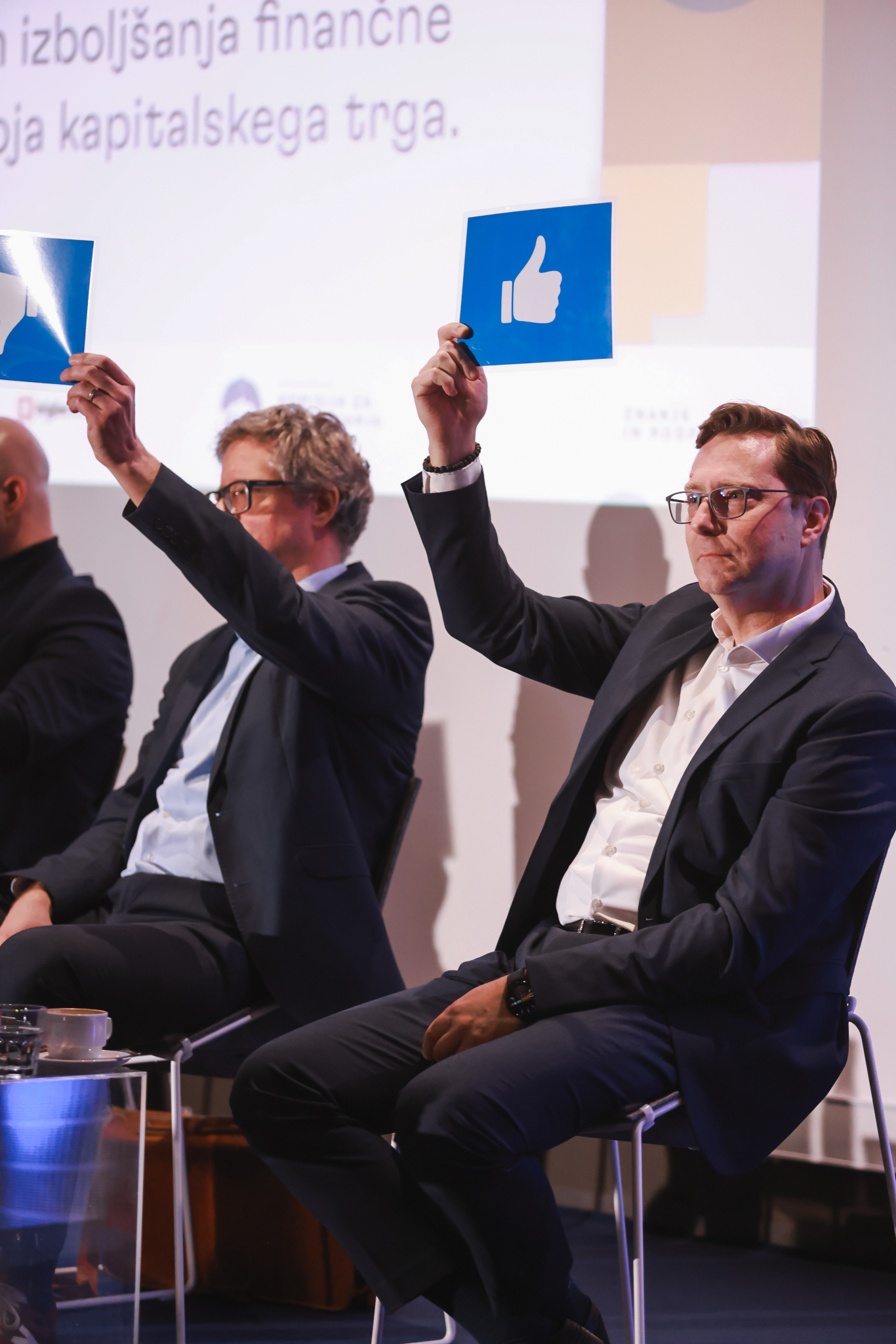
The Snowball proposals – including a development cap, expanded incentives for the third pension pillar, special economic zones, and a reduction in the tax on long-term rentals – opened a concrete debate on how to provide a financial future for the youth. The proposal to reduce the tax on long-term rentals to 15% received unanimous support.
HEALTH
Health and the healthcare system are undoubtedly among the most critical topics for both the economy and the people. As one of the fundamental pillars of society, the healthcare system requires a decisive and long-term approach, as health is a key investment in socio-economic development and individual well-being.
Data shows that the challenge is not only social but also economic. Waiting times are increasing, and with them, absenteeism is on the rise. In 2024, Slovenia recorded 19,477,932 days of work incapacity, with expenditure on sick leave compensation amounting to €638,778,722. The average employee was absent for 20.5 calendar days per year, compared to 15.1 days in Austria. On average, 6 out of every 100 employees were absent each day, while in Austria, the figure was 4.
Urša Lakner, Co-chair of the AmCham Health and Quality of Life Committee, commented at the event that Slovenia needs a widely accessible public health system with high quality standards, modern diagnostic procedures, and access to advanced therapies. “We support financing based on the principles of universality and solidarity, regardless of the ownership of the infrastructure, with an emphasis on common clinical standards and patient rights. For the stability of the system, it is essential to adjust ZZZS (Health Insurance Institute of Slovenia) financing and payment models to reflect European market prices and provider performance.”
Political representatives agreed that immediate organizational measures, better management of institutions, and more efficient use of existing capacities are necessary. However, differences emerged regarding how to restructure the system. Some speakers emphasized the need for the corporate governance of hospitals, clear measurable goals, and performance-based rewards. Others identified the strengthening of the public system as the primary priority – through stronger investment in equipment and staff and expanding primary care capacities. The common ground of the discussion was clear: without efficient organization, a digital overview of waiting lists, and clear financing rules, the system will not become sustainable.
READY FOR THE FUTURE
“It is already clear that the 21st century is the century of artificial intelligence and biotechnology. Croatia is introducing AI as a subject in secondary schools as early as autumn 2026. After ten years, digital language is still not a mandatory subject in our country. We do not have a lean society, while Austria has had one since 2024. When will we catch up with our neighbors?” With this, Borut Čeh, Co-chair of the AmCham Ready for the Future Committee, opened the discussion on whether Slovenia is following development trends or co-creating them.
In the digital age, digital transformation should no longer be a question of the future, but a constant in development-oriented economies. If we want to increase productivity, we must accelerate the introduction of digital technologies across all sectors – while systematically empowering people. Knowledge and skills regarding digital tools, critical thinking, and complex problem-solving are all parts of the “digital language,” which empowers individuals for the creative and responsible use of technology. For example, the RINOS group has been advocating for more than 10 years for the introduction of a subject covering computer and information science as a mandatory subject in elementary and secondary schools.
All political representatives agreed that the so-called digital language must become a systemically integrated, mandatory part of the education system.
“Slovenia is a pharmaceutical & biotechnology powerhouse — this industry accounts for over 40 percent of total exports, indirectly and directly providing 50,000 jobs, with an added value per employee exceeding €100,000. The Slovenia Biotech Hills has a strategy, vision, and momentum, with over 40 active members and the support of all three Slovenian universities. The government must now take a decisive systemic step forward to enable the industry’s development, investment, and international breakthrough. Our children must be co-creators of the future — not its followers. At the intersection of artificial intelligence, biotechnology, and quantum technologies, Slovenia can be the winner of the 21st century. After March 22, we demand a bold vision and concrete measures,” Borut Čeh added regarding Slovenia’s readiness for the future.
RESILIENCE, RESPONSIBILITY, AND ENERGY SECURITY
“The business community expects a responsible business environment from decision-makers, one that enables long-term competitiveness, export growth, and Slovenia’s strategic autonomy. It is crucial to systematically address exposure to geopolitical, technological, climate, and energy risks, as business continuity is the foundation of a successful economy. Companies need a reliable and competitive supply of energy and water. We also expect incentives for energy efficiency, for increasing innovation capacities, and for long-term solutions for food self-sufficiency. Policy-makers should therefore focus on their key mission regarding the economy: providing us with an environment where we can focus on innovation and creating new added value, instead of being constantly pushed into debates about the redistribution of the existing,” said Miha Valentinčič, Co-chair of the AmCham Resilience and Responsibility Committee, at the event.
THE SNOWBALL 30-SECOND CHALLENGE FOR POLITICAL REPRESENTATIVES: WHY SHOULD A YOUNG SCIENTIST STAY IN SLOVENIA?
Klemen Boštjančič highlighted adequate and functioning public services as a key advantage of the country. Zdravko Počivalšek emphasized developed infrastructure, a skilled workforce, and the re-establishment of a stimulating business environment. Matevž Frangež spoke about a high quality of life, the excellent blend of urban and natural environments, and a connected ecosystem that enables breakthroughs. Mirko Požar highlighted an entrepreneurial state where individuals can create and prosper. Marko Lotrič pointed out support in building a home and family and the attractiveness of the Slovenian landscape, Andrej Perc the proximity and family-oriented nature of the country, Igor Feketija the security of the environment, and dr. Vladimir Prebilič social security, the accessibility of kindergartens and free schooling, and the sense of community.
The common message was clear: Slovenia wants to be a place where knowledge is respected, where creativity is possible, and where one can build both a career and a family.